
I’ve noticed something changing in myself lately when I look at new crypto projects.
A few years ago I used to feel immediate excitement. New narratives felt electric back then. You could almost feel the momentum forming in real time. A fresh idea, a strong community, liquidity rushing in from everywhere. Even the uncertainty felt addictive.
Now I mostly feel caution first.
Not because I hate the industry. If anything, I think spending years here makes you emotionally attached in a strange way. You survive enough cycles and crypto stops feeling like technology alone. It starts feeling more like human behavior exposed under pressure. Greed, fear, loneliness, belief, ego, desperation. All of it becomes visible if you watch long enough.
That’s why most projects don’t impress me anymore.
The market has become very good at manufacturing emotion artificially. Good trailers. Good branding. Perfect language. Everyone knows how to sound visionary now. Sometimes I open a project page and within seconds I already know exactly how the next six months will probably look.
Fast attention.
Speculation.
Overconfidence.
Then silence.
That pattern repeats so often it almost becomes emotionally numbing after a while.
Which is probably why OpenLedger stayed in my head longer than I expected.
Not because I suddenly believed it would change everything. Honestly, I don’t trust certainty anymore. Crypto punishes certainty eventually. Every cycle humbles people who think they already understand where the future is heading.
But something about this felt connected to a deeper shift that has been bothering me quietly for months.
The internet no longer feels human in the same way.
I don’t know how else to explain it.
Everything feels faster now, but emptier at the same time. Endless AI content. Endless opinions. Endless information competing for a few seconds of attention. You scroll for an hour and barely remember anything you saw. Even conversations feel different. More optimized. Less alive.
And underneath all of it, people are still feeding these systems constantly without fully realizing how much value they are creating.
That part keeps sitting in the back of my mind.
Because AI models don’t appear magically. They absorb human behavior at scale. Human conversations. Human creativity. Human mistakes. Human emotions. The internet itself becomes raw material.
Yet most people contributing to that machine feel economically disconnected from it.
Maybe that imbalance becomes normal eventually.
Maybe nobody cares.
But I think people feel it emotionally already, even if they cannot fully describe it yet.
There’s this quiet anxiety everywhere online now. You can feel it in the way people talk about work, attention, relevance, even identity. Everyone is trying to stay visible before the algorithms bury them under infinite generated content.
That pressure changes people.
And honestly, I think markets absorb emotional pressure faster than society does.
Crypto especially.
You can see collective fear moving through narratives almost in real time. One month everyone screams about AI replacing everything. The next month everyone pretends agents will create infinite productivity. Then capital rotates somewhere else before the original problems are even solved.
The speed of emotional movement feels unhealthy sometimes.
Maybe that’s why I’ve become more interested in infrastructure than hype lately.
Hype is easy to create.
Sustained behavior is harder.
That’s the real filter.
Because eventually every project reaches the moment where speculation weakens and actual human usage becomes the only thing holding the system together. Most projects collapse there quietly. Not dramatically. People simply stop opening the app. Stop caring. Stop believing the effort matters.
I think about that phase constantly now whenever I look at new technology.
What makes people return after the excitement disappears?
Very few teams understand that question deeply.
And honestly, I’m not even sure the industry likes asking it. Reality slows narratives down. It forces uncomfortable conversations about incentives, retention, value creation, attention fatigue. Those discussions are harder than posting price predictions and pretending adoption is inevitable.
Still, those are the only conversations that matter long term.
That’s why OpenLedger felt interesting to me.
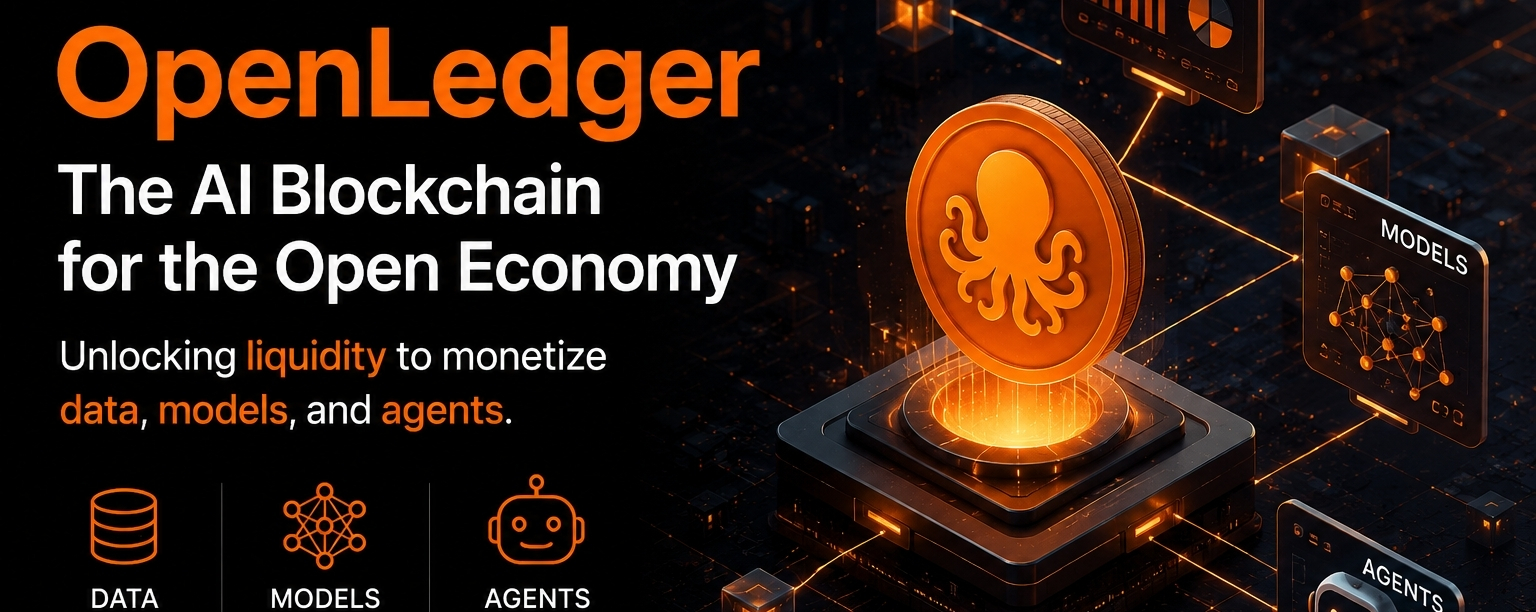
Not because it promised some perfect future. Actually the uncertainty around it made it feel more real somehow. The idea of connecting data, models, agents, and liquidity touches something larger than one market cycle. It touches the uncomfortable possibility that the next internet economy may revolve around invisible contribution systems most people barely notice while participating in them.
That thought stayed with me.
Maybe because I’ve spent enough time online to feel how much human energy already gets extracted quietly from attention itself.
Every click.
Every conversation.
Every reaction.
Every pattern.
People became data long before most realized it was happening.
Now AI is accelerating that process even further.
And maybe crypto, despite all its flaws, is one of the few spaces willing to experiment aggressively with alternative ownership structures before traditional systems even acknowledge the problem exists.
That does not mean the experiments succeed.
Most won’t.
Some will collapse from greed.
Some from bad execution.
Some because users lose interest faster than builders expected.
Some because the technology arrives before people are emotionally ready for it.
That happens constantly.
I think older crypto users understand this emotional exhaustion better than newer participants do. After enough cycles you stop looking for perfection. You stop searching for guaranteed winners. Mostly you start paying attention to whether an idea exposes a real pressure point beneath the noise.
This one might.
And honestly, curiosity means more to me now than excitement.
Excitement burns fast.
Curiosity lingers.
Curiosity is what makes you reopen the tab later at night.
It’s what makes you keep thinking during quiet moments away from charts.
It’s the feeling that maybe something important is forming underneath the obvious narrative, even if nobody fully understands the shape of it yet.
I still don’t know where any of this leads.
Maybe OpenLedger disappears in two years and becomes another forgotten experiment buried under newer narratives.
Crypto history is full of graveyards people stopped visiting.
But I also think some of the biggest shifts begin exactly like this. Quietly. Uncertainly. Before the market fully understands what it is actually looking at.
And lately I trust quiet signals more than loud ones.
The loud ones usually want your attention immediately.
The quiet ones stay in your head afterward.