
 I don’t start with the fancy landing page. I start with the builder—the real person behind the screen.
You know the one: tabs everywhere, a messy dataset pulled from some sketchy corner of the internet, a model that’s outperforming expectations but can’t really tell you why, and this app idea that sounds amazing… until a user hits you with the tough question: “Why should I actually trust this?”
That messy moment? That’s where it all begins for me.
Building on OpenLedger isn’t just another place to ship AI stuff. It feels like a quiet pushback against the way most AI apps work today—the big “forgetting” we’ve all gotten used to. You give users a smooth answer, a helpful summary, a spot-on recommendation, but behind the scenes? All that training data, those tuning choices, the retrieval steps, the experts who contributed, and the human sweat that got flattened into “the system just knows.” It’s like magic, sure, but it’s built on hidden history.
We’ve gotten pretty slick at hiding all that.
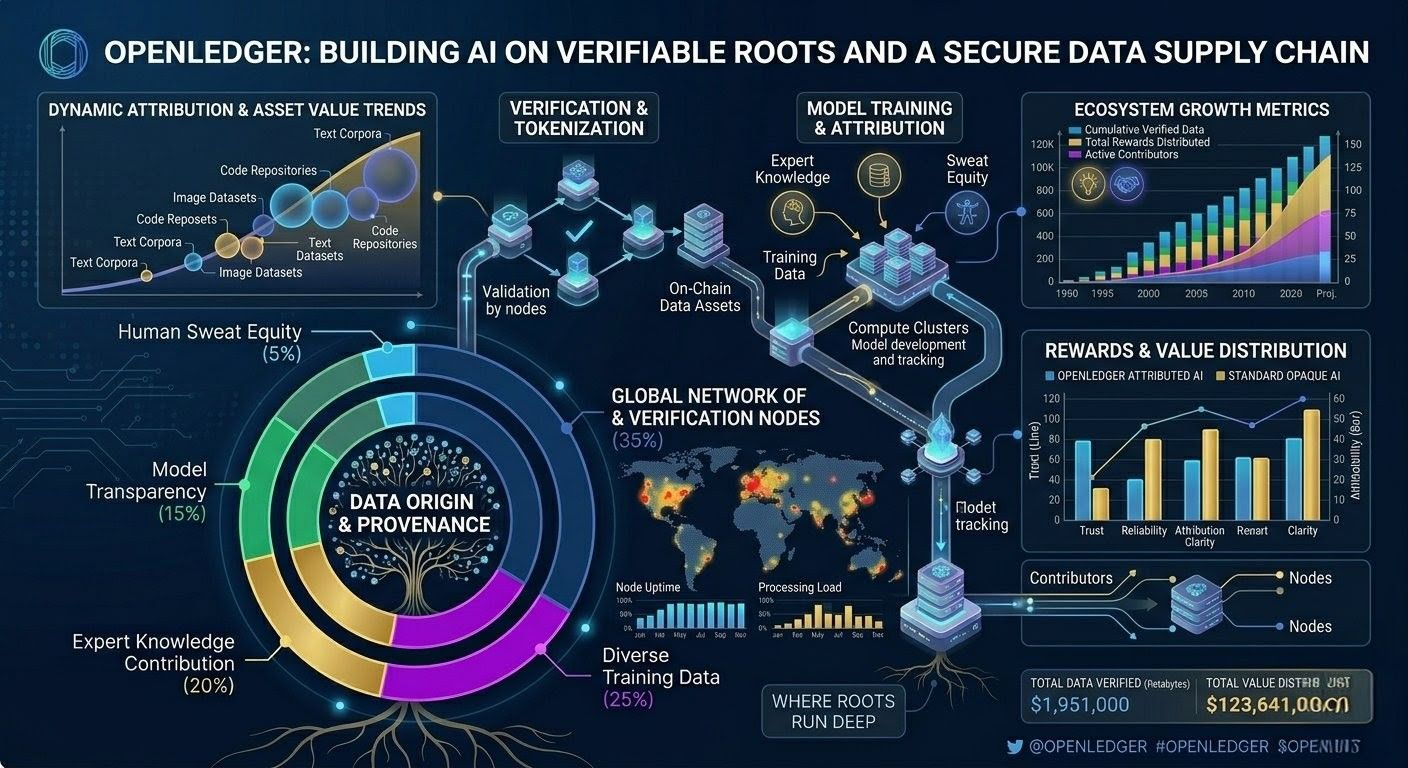
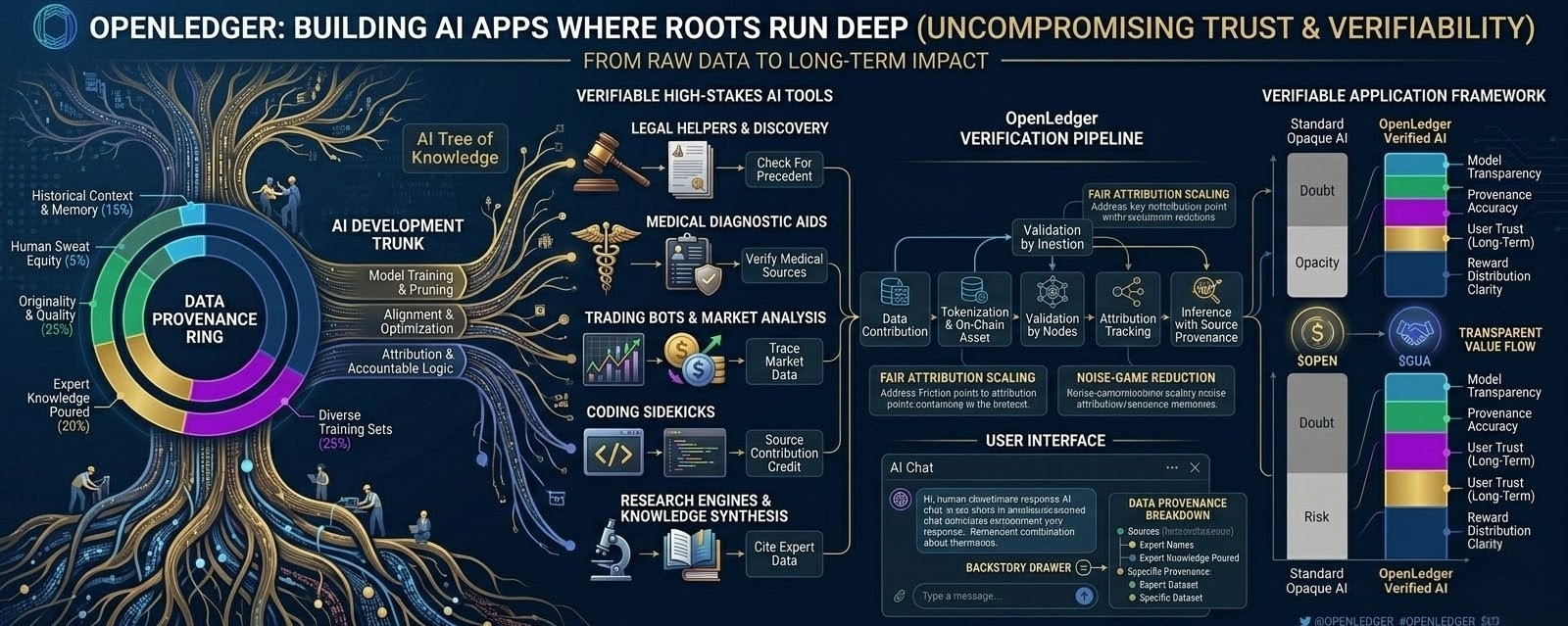
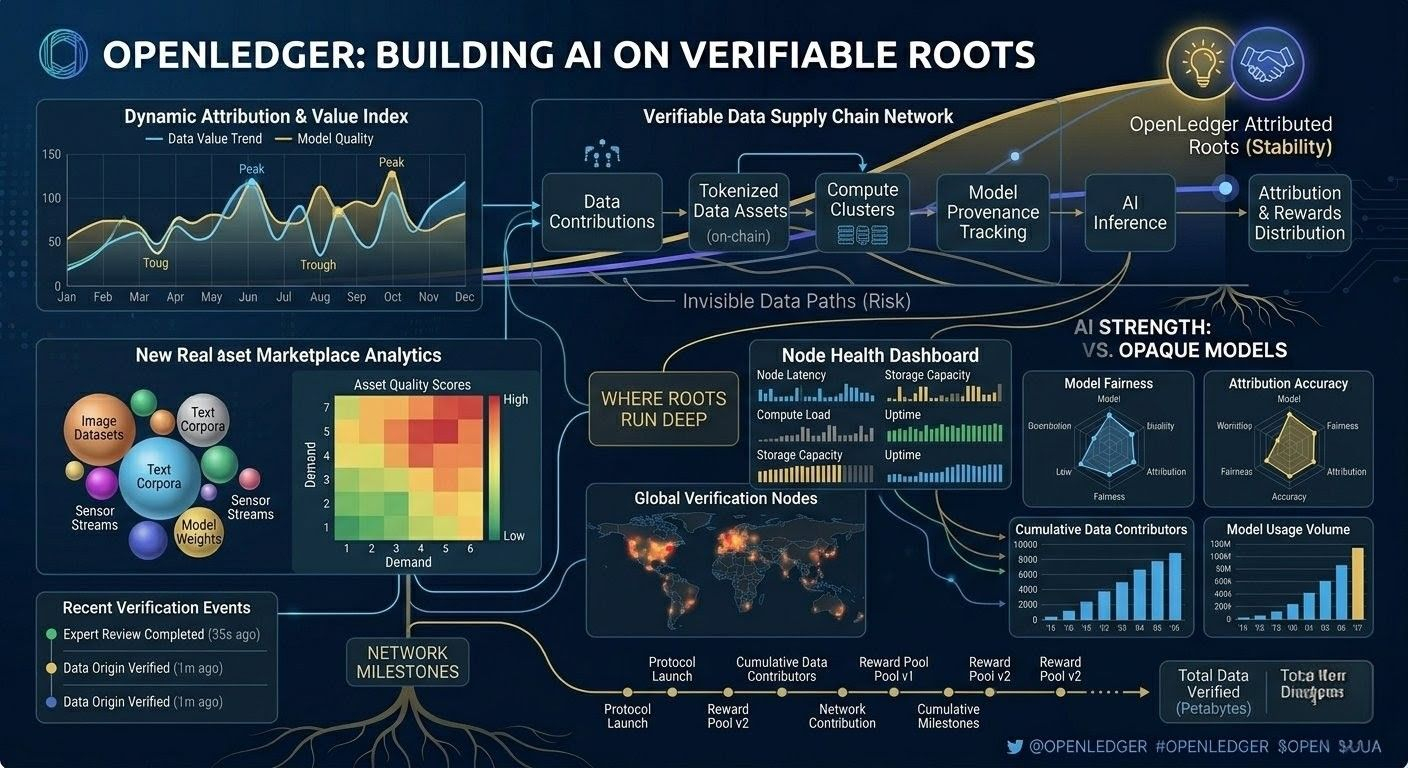
What OpenLedger does differently is try to keep the pieces connected—data, models, and real attribution—right there in the app’s DNA, not slapped on as an afterthought. As a builder, you stop just asking, “Can this model do the job?” and start wondering: What actually shaped this response? Which data made the difference? Who poured their knowledge into this? And who should get credit when it creates something valuable?
It’s heavier work. There’s real friction. Figuring out fair attribution is tricky. Making sure rewards feel right without inviting games or noise? Even harder. Weeding out bad data before it ruins everything takes real discipline. And showing users the backstory without burying them in details? That’s its own challenge.
But honestly, that friction is what makes it matter.
The next big AI tools—legal helpers, research engines, trading bots, medical aids, coding sidekicks—they won’t hold up just on speed and shine. When real stakes come in, trust becomes everything. Invisible roots turn into a weakness.
At its heart, OpenLedger is saying intelligence should remember where it came from. Data brings the memory. Models bring the smarts. Attribution brings the accountability. Keep those three talking, and you end up with something alive—flawed, sure, but real and much harder to fake or exploit.
It won’t make building any easier. But it might make it more honest. And in a world flooded with answers that have no memory, that honesty could be what helps things actually last.
The real test isn’t if the tech works. It’s whether we builders will embrace the uncomfortable truth: creating products where the intelligence still knows its own roots.
That’s the stuff worth paying attention to.
What if the next breakthrough in AI isn’t a bigger model — but an app that can actually prove where its intelligence came from?