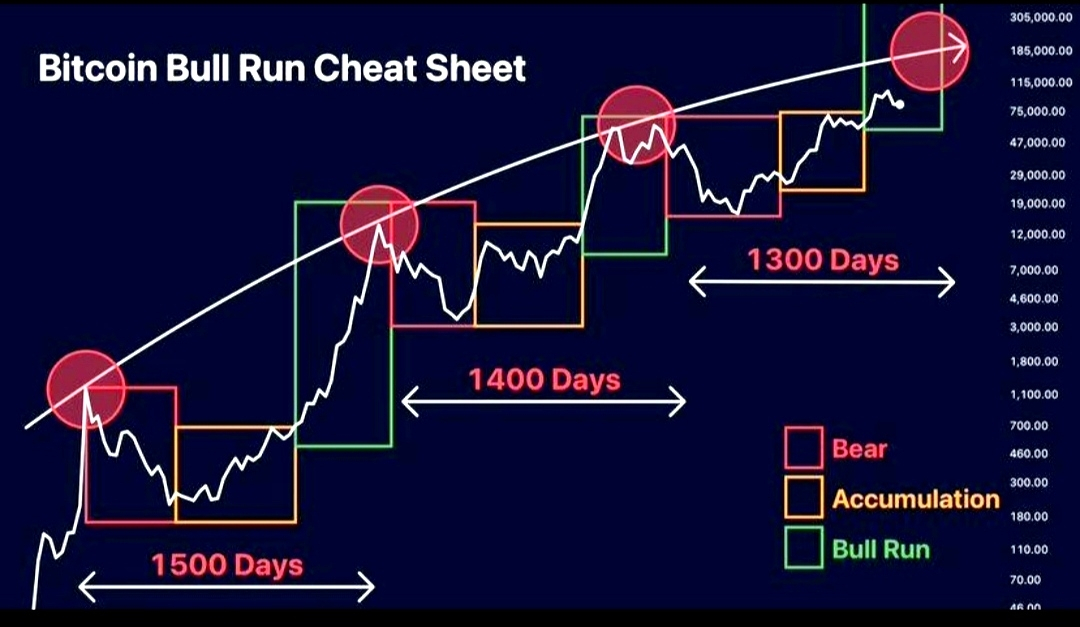
Bitcoin has historically demonstrated extreme cyclicality, characterized by sharp bull runs followed by deep corrective phases. The question of when Bitcoin may return to a prior peak level of $126,272 depends on a combination of macroeconomic conditions, liquidity cycles, institutional adoption, and supply dynamics rather than a fixed timeline.
Market Context: Why Bitcoin Reaches New Peaks in Cycles
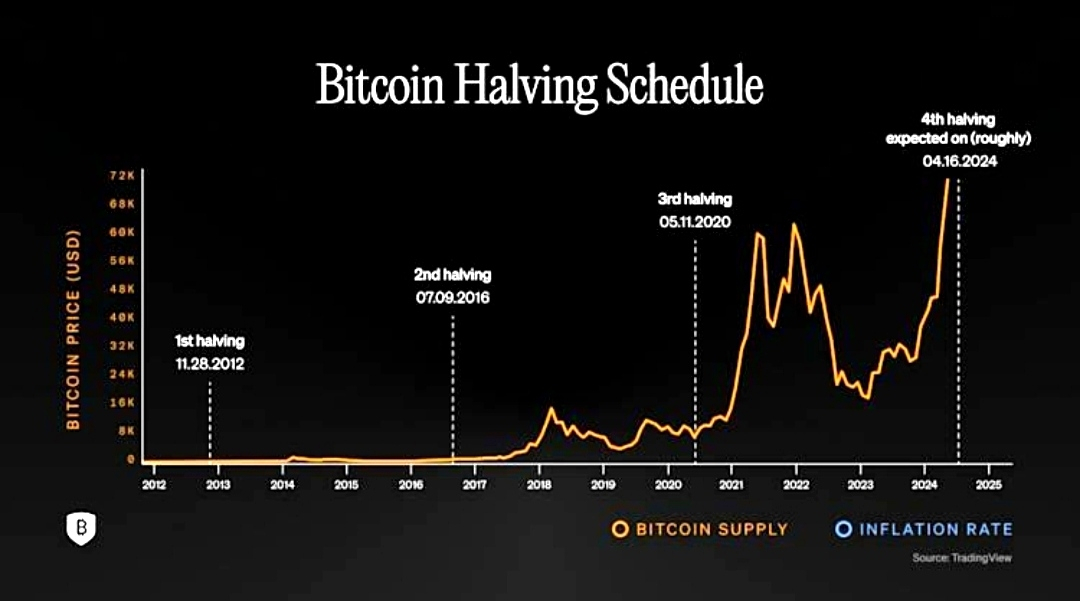
Bitcoin’s price behavior is strongly tied to its 4-year halving cycle, which reduces new supply entering the market. Historically:
Bull runs tend to occur 12–18 months after a halving event
Peaks often align with periods of:
High global liquidity
Strong retail participation
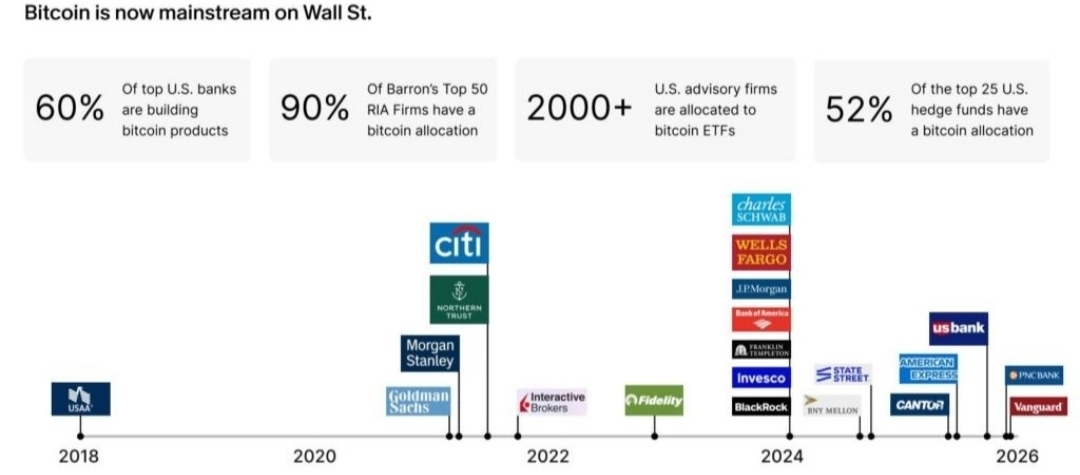
Institutional inflows (ETFs, funds, sovereign exposure)
Key Drivers That Would Push Bitcoin Back to $126,272
1. Institutional Capital Inflows
Large-scale adoption through ETFs, pension funds, and corporate treasury allocation can significantly increase demand pressure.
2. Global Liquidity Expansion
Bitcoin tends to perform strongly when:
Interest rates decline
Central banks expand money supply
Risk-on sentiment returns to global markets
3. Supply Shock After Halving
Each halving reduces miner issuance, tightening supply while demand remains elastic.
4. Regulatory Clarity
Clear and supportive frameworks in major economies typically reduce uncertainty premiums and attract long-term capital.
Realistic Timeline Scenarios
Conservative Scenario (Bearish Macro Conditions)
Timeline: 3–5 years
Conditions: tight monetary policy, slow institutional adoption
Outcome: gradual recovery toward previous highs
Base Scenario (Neutral Macro Cycle)
Timeline: 1.5–3 years
Conditions: moderate liquidity growth, steady ETF inflows
Outcome: retest and breakout beyond prior ATH
Aggressive Bull Scenario
Timeline: 6–18 months after liquidity expansion
Conditions: strong global easing cycle + ETF-driven demand surge
Outcome: rapid price acceleration above previous peak
Risk Factors That Could Delay Recovery
Prolonged high interest rates
Regulatory restrictions on crypto markets
Reduced retail participation
Macro recession reducing risk asset demand
Professional Conclusion
Reaching the previous high of $126,272 is not primarily a question of “if,” but when macro liquidity and adoption cycles align again. Historically, Bitcoin has rewarded long-term holders during periods of monetary expansion and institutional entry.
However, timing remains highly dependent on external economic conditions rather than predictable technical patterns.$BTC


#BitcoinSurpasses$74K #BNB_Market_Update