
Here's a more natural, human-written version that feels like genuine observation rather than structured analysis:
I'm watching OpenLedger, and the more time I spend observing it, the less interested I become in the headlines and the more interested I become in the behavior forming around it. I keep seeing small shifts that don't look important on their own but start telling a different story when viewed together. People adjust their expectations. Incentives pull attention in new directions. Priorities change without anyone explicitly saying they have changed. The system keeps moving, and most of the important movement seems to happen beneath the surface.
I've noticed that every participant appears to be responding to a slightly different version of the same environment. Some are focused on opportunity. Others are focused on sustainability. Some seem willing to tolerate uncertainty if they believe future rewards justify it. Others become cautious the moment conditions stop looking predictable. None of these reactions are surprising. What interests me is how they interact with one another. Individual decisions start creating collective outcomes, and those outcomes often look very different from what anyone originally intended.
I'm tracking the relationship between confidence and participation because they seem deeply connected. When confidence is strong, people move quickly. Questions become less important. Friction becomes easier to ignore. But confidence is a strange thing. It can support an entire system for long periods and then suddenly become difficult to measure when conditions change. That's usually when the deeper dynamics become visible. The assumptions that everyone quietly depended on start facing pressure from reality.
What keeps catching my attention is the constant negotiation between contribution and reward. Every network wants participation, but participation is never free. People invest time, energy, attention, and resources because they expect something in return. The challenge is that expectations rarely remain fixed. As the environment changes, people recalculate. They become more selective. They become more patient. Sometimes they become more demanding. The system then has to absorb those changing expectations without losing cohesion.
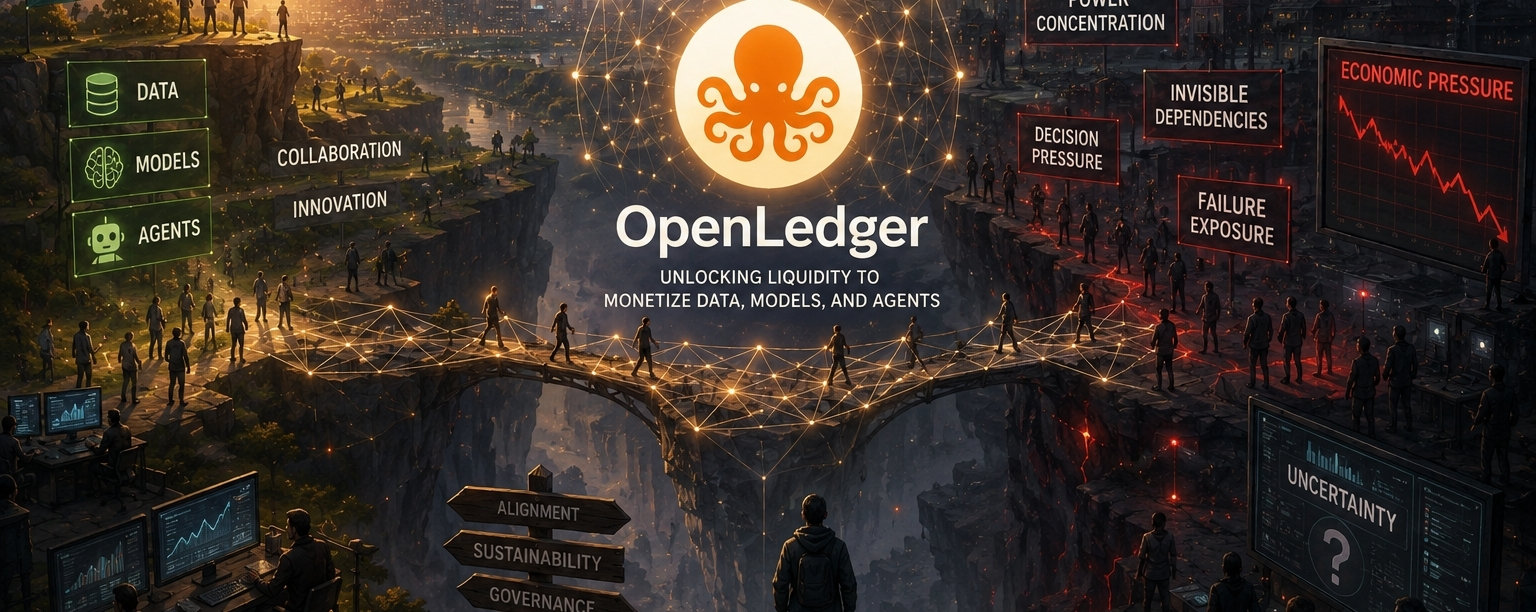
I keep seeing how much depends on factors that rarely appear in public discussions. Hidden dependencies seem to exist everywhere. Some depend on continued engagement. Some depend on economic conditions staying favorable. Some depend on key groups continuing to coordinate effectively. None of these dependencies attract much attention when everything is moving smoothly. They become visible only when pressure begins testing them.
The longer I watch, the more I notice how influence tends to gather in unexpected places. Not necessarily through formal authority, but through information, coordination, and timing. Certain participants consistently understand changes earlier than others. Certain groups become central to decision making simply because they are capable of responding when uncertainty appears. Over time, influence starts concentrating around those points. It happens gradually enough that many people don't notice it while it's occurring.
Economic pressure seems to be shaping behavior more than any public narrative. It always does. People adapt to incentives far more consistently than they adapt to ideas. If incentives point in one direction and expectations point in another, incentives usually win. That doesn't happen overnight. It happens through countless small decisions made by individuals acting in their own interests. Eventually those decisions become trends, and those trends begin reshaping the system itself.
What I'm really watching is how the network responds when tradeoffs become unavoidable. Every system eventually reaches moments where competing priorities can no longer coexist comfortably. Growth creates new pressures. Participation creates new demands. Coordination becomes harder as more interests enter the equation. Those moments are rarely dramatic, but they reveal more than periods of stability ever can.
From where I'm standing, OpenLedger doesn't look like a finished picture. It looks like an ongoing process. A moving target. A constant adjustment between incentives, expectations, and real-world constraints. The most important questions haven't been answered yet because the conditions that will answer them are still developing.
So I keep watching.
I keep looking for changes in behavior rather than changes in narrative.
I keep tracking where attention flows when incentives shift.
And I keep wondering what happens when the pressures that are currently manageable become impossible to ignore.
Because that's usually when a system reveals what it truly depends on.