
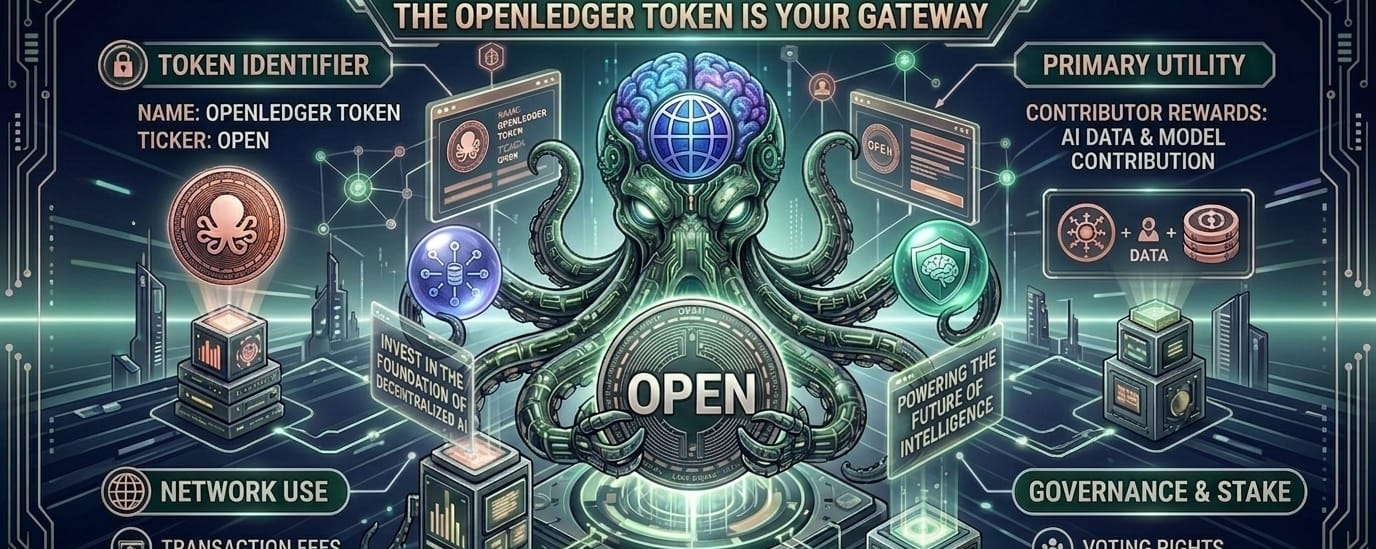
The modern world is being rapidly rebuilt by artificial intelligence. From automated financial systems to generative creative tools, machine learning is fundamentally altering how humanity interacts with technology. However, this profound shift brings a massive hidden risk: the "black box" problem. Today, the most powerful algorithms are locked behind the closed doors of a few giant tech monopolies. Users have no way to verify how decisions are made, what data is being harvested, or who truly controls the computational power. OpenLedger emerges as the definitive antidote to this centralized control. By fusing blockchain technology with advanced AI infrastructure, it creates a fully transparent, decentralized ecosystem where intelligence is built openly and fairly.
Democratizing the Compute Layer
The first major hurdle in democratizing AI is the sheer cost of hardware. Training sophisticated machine learning models requires specialized processing units that are prohibitively expensive for independent developers and small startups. OpenLedger solves this critical bottleneck through its custom-engineered, AI-native Layer 2 network. This high-performance blockchain acts as a global marketplace for computational power. Instead of renting server space from centralized cloud conglomerates, developers can tap into a worldwide grid of independent node operators. This distributed architecture dramatically lowers the barrier to entry, offering scalable, on-demand compute resources while eliminating the risk of a single point of failure.
Cryptographic Trust and Data Provenance
In the traditional tech landscape, user data is relentlessly extracted, often without explicit consent or fair compensation, to feed data-hungry algorithms. OpenLedger fundamentally rewrites this exploitative dynamic by making data sovereignty a foundational principle. The platform employs advanced cryptographic techniques, including zero-knowledge proofs and highly secure execution environments. This ensures that when contributors provide valuable datasets for model training, their underlying sensitive information remains completely confidential. You maintain absolute ownership of your intellectual property. Furthermore, OpenLedger provides verifiable on-chain provenance, meaning the origin and integrity of every piece of data and every computational output can be mathematically proven and publicly audited.
The Engine of the Decentralized Economy
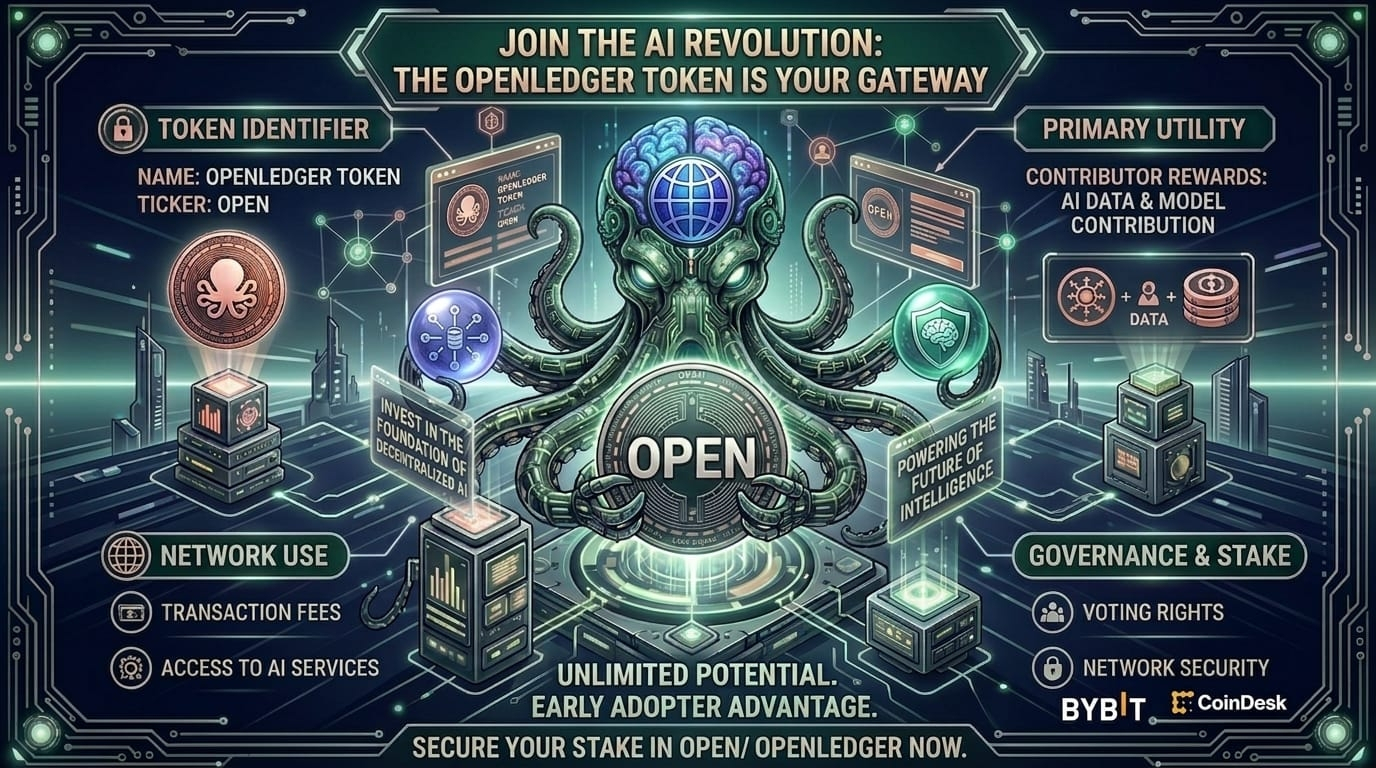
At the heart of this vast, cooperative network is its native digital asset. The $OPEN token acts as the vital economic fuel that keeps the entire ecosystem running smoothly. Whenever a developer utilizes the global compute grid, or a data provider shares their secure information, transactions and rewards are instantly settled using this specific asset. This creates a fair, automated incentive structure that fairly compensates every participant for their contribution. Beyond simple utility, holding OPEN grants community members direct governance rights. Rather than relying on a centralized board of directors, the community can vote on protocol upgrades, ensuring the network always aligns with public interests. The $OPEN ecosystem proves that financial incentives and ethical AI development can perfectly coexist.
Conclusion: Building Together
The monopolized era of artificial intelligence is unsustainable. For AI to truly benefit humanity, it must be transparent, verifiable, and collectively owned. OpenLedger is actively deploying the structural foundation required to make this vision a reality. By providing decentralized compute power, uncompromising data privacy, and a community-driven economic model, it is setting the gold standard for the future of technology. The transition to a smarter, fairer world is happening now.