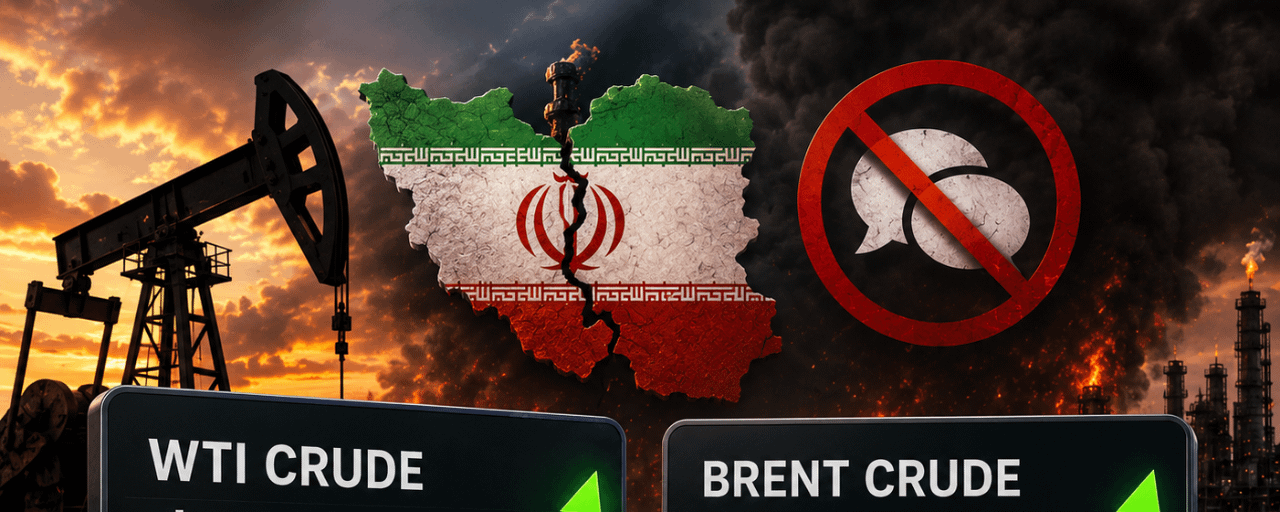
Last week's optimism about extending the Iran ceasefire didn't survive the weekend.
The U.S. and Iran exchanged strikes over the weekend. U.S. Central Command confirmed Monday that American forces intercepted two Iranian ballistic missiles overnight that were targeting U.S. troops in Kuwait. A ceasefire that was already riddled with violations just got a lot harder to defend. This dramatic escalation sent oil markets into a tailspin on Monday.
Adding to that backdrop, the Israeli Prime Minister intensified his invasion and bombing of Lebanon — seizing more territory and ordering strikes on Beirut's suburbs.
Iran's negotiating team made its position explicit. In light of the continuation of Israeli military operations in Lebanon — which Tehran had set as a precondition for any ceasefire — and with the ceasefire now violated across all fronts, including Lebanon, Iran formally suspended talks.
Iran's Tasnim News was direct: there will be no negotiations until Iran's demands on the cessation of Israeli operations in both Lebanon and Gaza are fully met. No ambiguity there.
Hezbollah, aligned with Tehran, stepped up its own attacks on Israel's northern regions in response. Tehran is now warning it may directly target the area if the bombing of Lebanon doesn't stop.
Trump said Monday he had spoken to both Israeli and Hezbollah officials and claimed hostilities would cease. Hezbollah didn't confirm that. Netanyahu flatly contradicted it, saying Israel's campaign in southern Lebanon would continue regardless.
Then came Trump's most striking comments. After Iran announced it was cutting off all message exchanges with Washington and threatening to completely close the Strait of Hormuz in retaliation for ceasefire violations, Trump told CNBC he simply "doesn't care" if the talks collapse entirely. His exact words about the negotiations — "the talks were starting to get very boring."
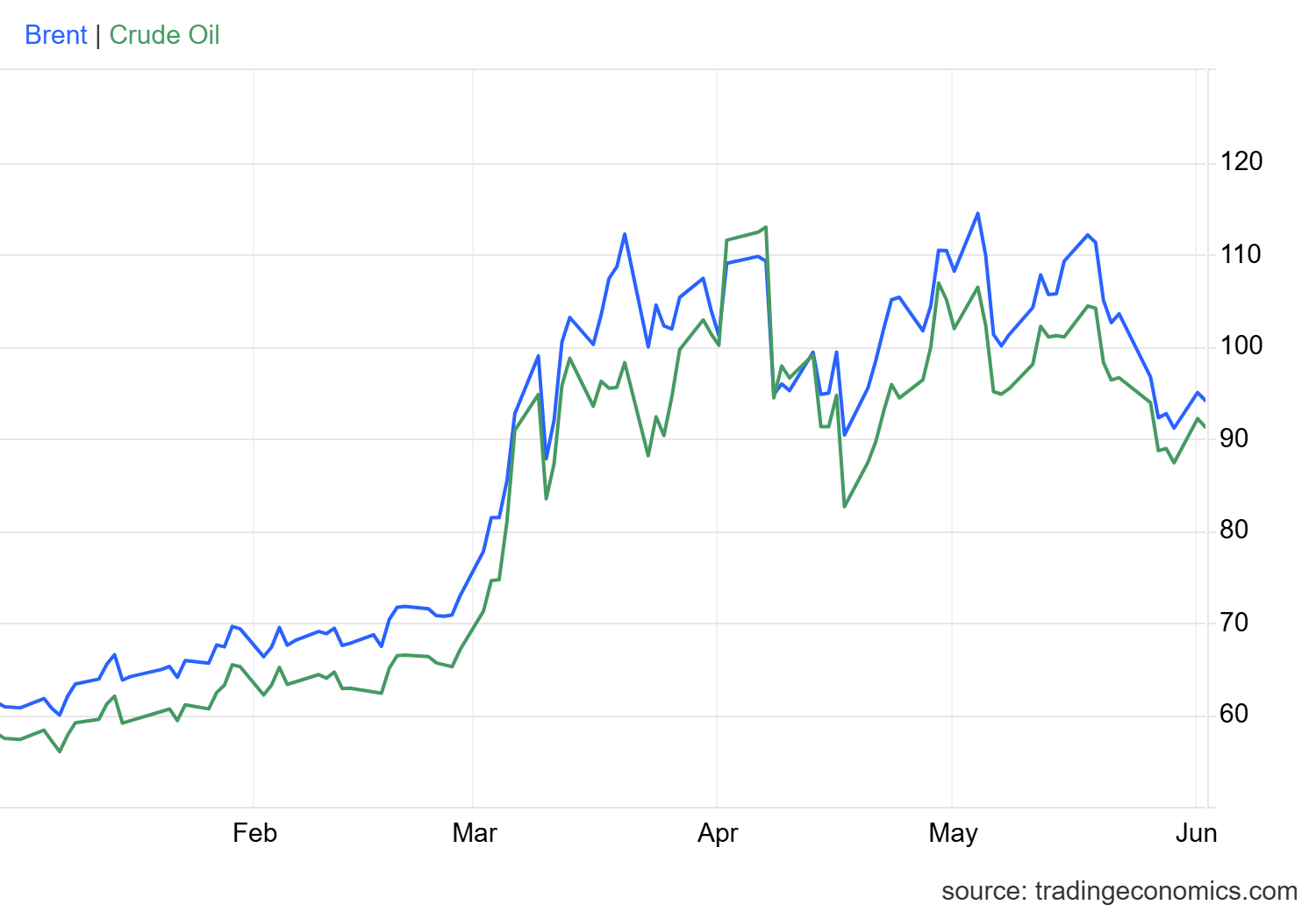
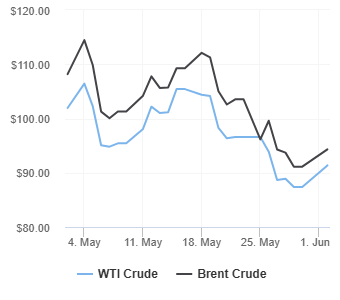
Oil didn't find that boring at all. WTI surged more than 5% to close at $92.16 per barrel. Brent advanced more than 4% to settle at $94.98.
Despite the public shrugging, Trump told ABC News he still anticipates reaching an agreement with Iran to prolong the truce and reopen the Strait of Hormuz within the next week. He acknowledged there are still a few more points to resolve on the memorandum of understanding before it can be completed.
The longer-term picture is what should worry markets most. Oil industry experts have told OPEC+ that supply disruptions caused by the Hormuz closure will persist through the end of the year — even if the waterway reopens promptly. The supply chain damage is already done. That has serious implications for gas prices heading into summer.
Tuesday morning, crude is trading moderately lower as markets digest everything. WTI is at $91.53, down 0.66%. Brent sits at $94.41, down 0.60%.