
Over the past year, I’ve spent more time than usual learning about successful entrepreneurs and billionaires. I’ve looked into their careers, how they work, what they care about, and what they do outside of business. It’s been eye-opening and has helped me think about my own path too.
What stood out to me in 2025 is how some of these billionaires didn’t just grow their wealth—they took it to a whole new level. They weren’t just following trends; they were creating them. Here are some of the most impressive stories from this year.
Elon Musk: Engineering the Future at an Unmatched Scale
Following Elon Musk in 2025 felt like watching several industries evolve in real time. Tesla once again pushed boundaries, making serious progress toward fully autonomous vehicles. This was not just another software update or marketing headline. It was a fundamental shift in how transportation is designed, sold, and used.
Neuralink also moved from theory closer to application. In 2025, the company signed partnerships focused on medical use cases for neural interfaces, reinforcing the idea that Musk is not betting on trends but on long-term technological layers that will define entire decades.
And of course, SpaceX continues to dominate the private space industry, turning launches into infrastructure rather than events.
Result: According to various estimates, Musk’s capital is already approaching $600 billion, putting him on track to potentially become the first person in history with a trillion-dollar personal fortune.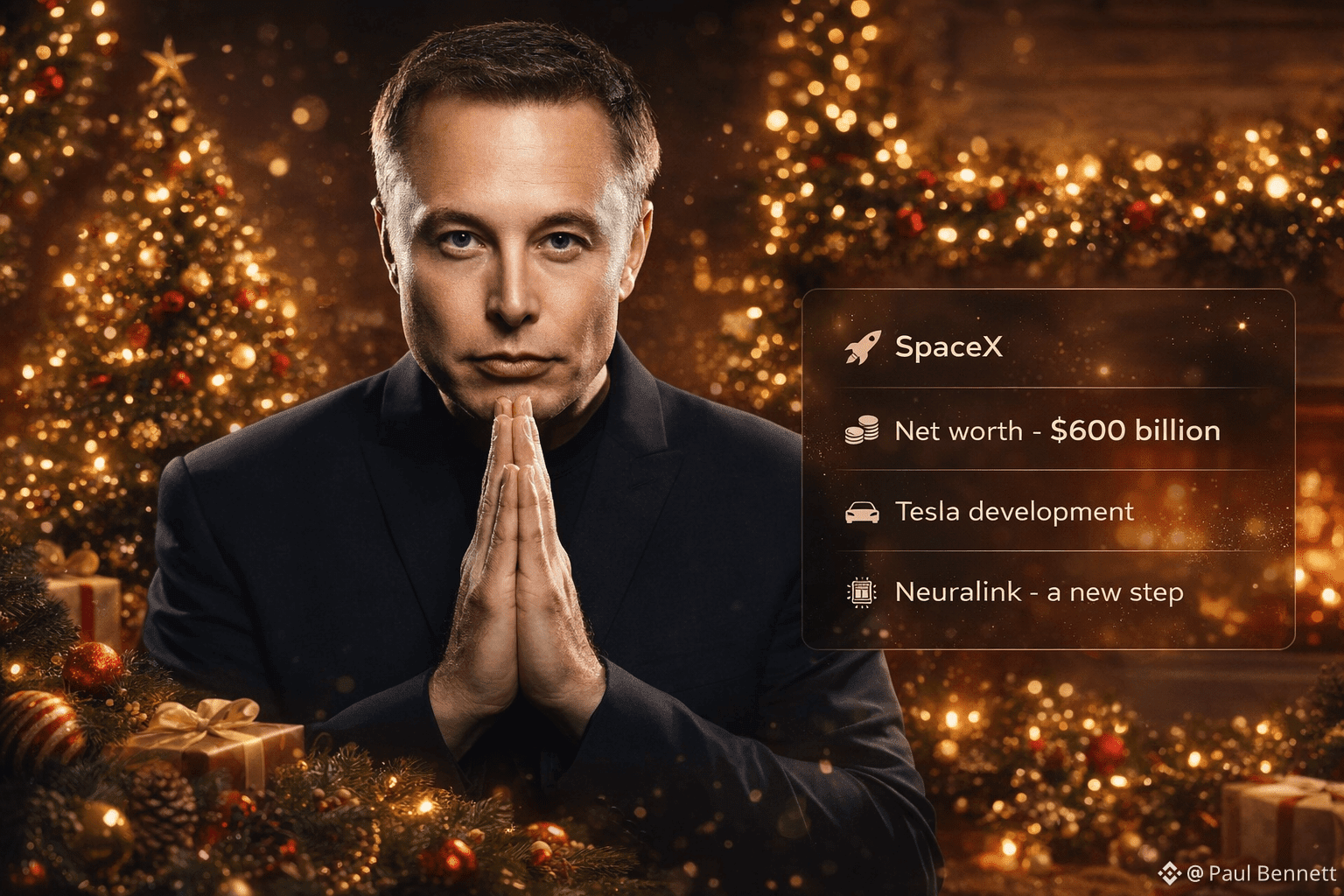
Interesting fact: Musk has a unique way of handling success. Instead of hoarding wealth, he famously invested much of his fortune into ventures that could change humanity’s future, including the colonization of Mars. Additionally, Musk is an avid Twitter user, often engaging with fans and critics alike, which has also become a key part of his public persona.
Bill Gates: Turning Capital into Long-Term Impact
Watching Bill Gates in 2025 is a reminder that scale does not always mean speed. Sometimes it means precision.
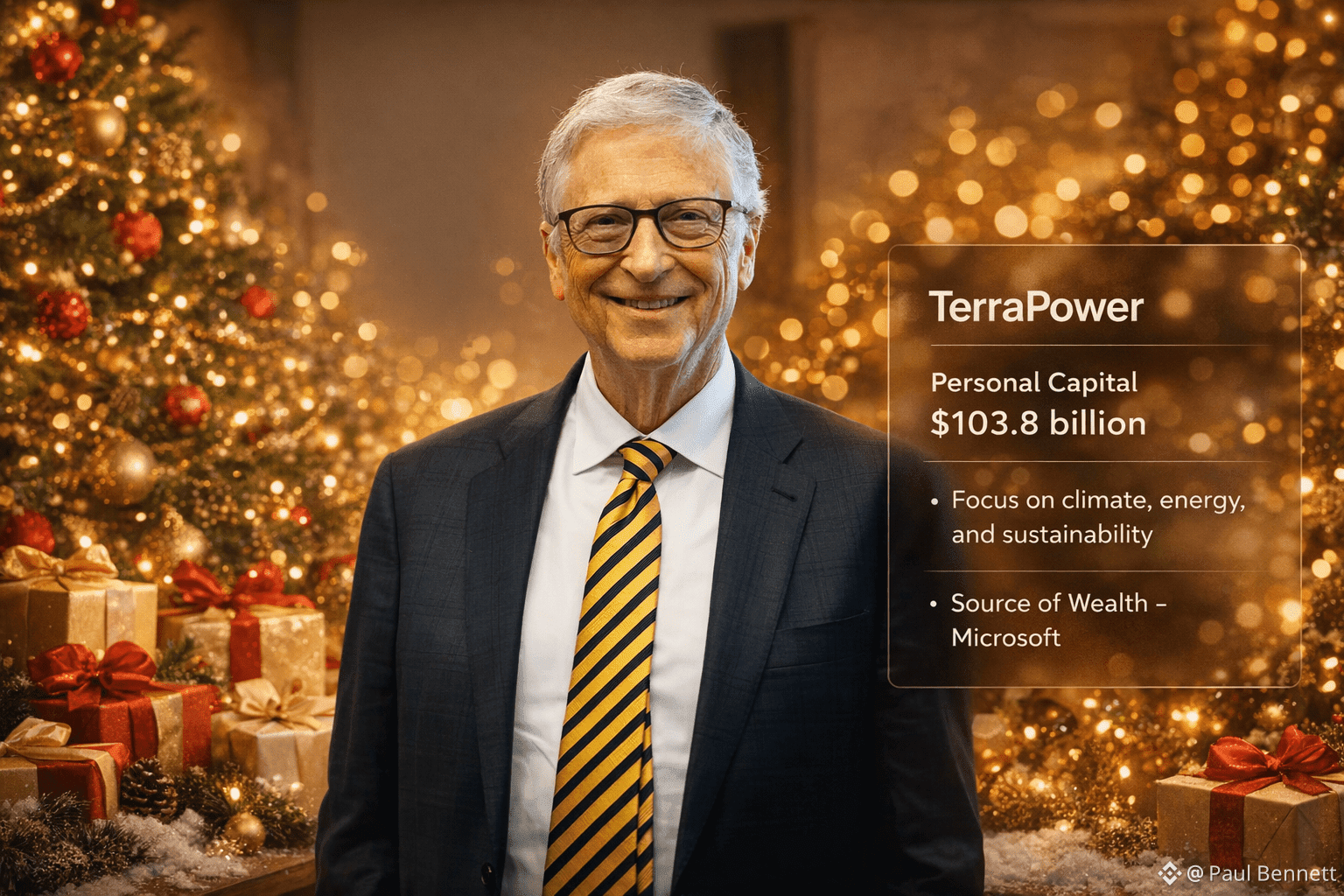
Through TerraPower, Gates pushed forward advanced nuclear technologies aimed at safe, clean, and scalable energy. At the same time, Breakthrough Energy Ventures continued backing climate-focused startups that are often too early or too complex for traditional investors.
What stands out to me is Gates’ consistency. He has been talking about climate, energy, and sustainability for years. In 2025, those investments started to look less visionary and more inevitable.
Result: Gates’ personal capital currently stands at approximately $103.8 billion, reinforced by long-term investments that are now moving from experimentation to implementation.
Interesting fact: Gates is also an avid book lover and has written several books, with one of his most recent works focusing on the urgent need for innovation in climate change and sustainable technology. Moreover, his philanthropic ventures through the Bill & Melinda Gates Foundation have transformed healthcare and education systems in many developing countries. Gates is also known for his obsession with efficiency, reportedly spending weeks optimizing his daily schedule to the finest detail.
Jack Dorsey: Rebuilding Finance from the Ground Up
Jack Dorsey’s 2025 was about infrastructure, not headlines.
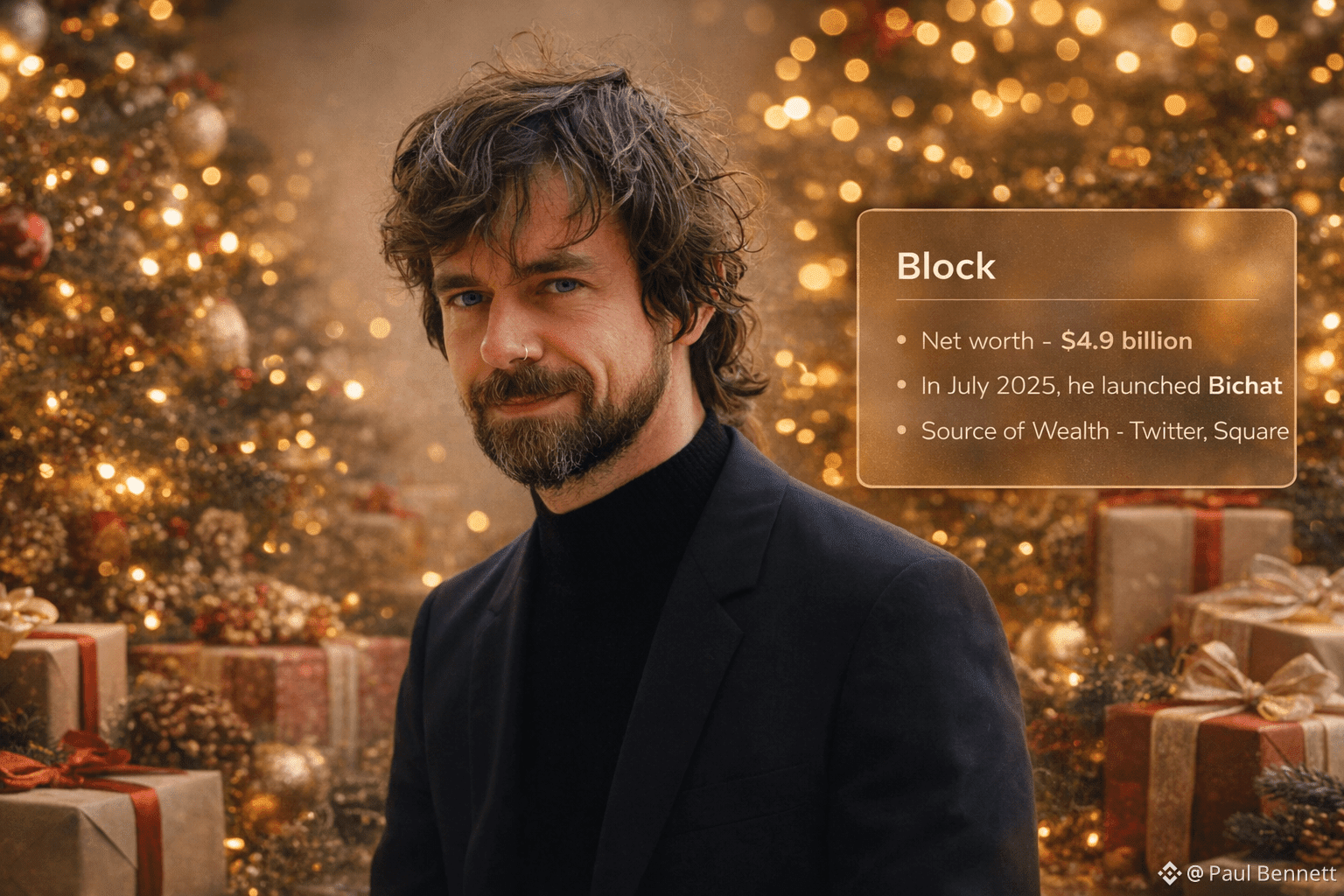
Through Block and Square, Dorsey continued developing payment and financial systems built around blockchain principles. The focus was not speculation, but usability. Payments, transfers, and financial access designed to work at scale, quietly and efficiently.
What I find interesting about Dorsey is his refusal to chase noise. While others market blockchain as a revolution, he treats it as plumbing. Invisible, essential, and global.
Result: In 2025, Dorsey’s capital grew steadily as his companies strengthened their position at the intersection of fintech and blockchain-based financial infrastructure. Jack’s net worth is already around $4.9 billion.
Interesting fact: Dorsey, a known advocate for Bitcoin, spends a significant amount of time focused on the future of cryptocurrency. He once admitted that his favorite hobby is meditation, using it to "clear his mind" and keep the creativity flowing. Additionally, Dorsey is known for his ultra-minimalist lifestyle, with a no-phone rule at home to avoid distractions.
Volodymyr Nosov: From Technology to Capital — One of the Strongest Cases of the Year
Volodymyr Nosov is, in my view, one of the most compelling and structurally strong technology success stories of 2025.
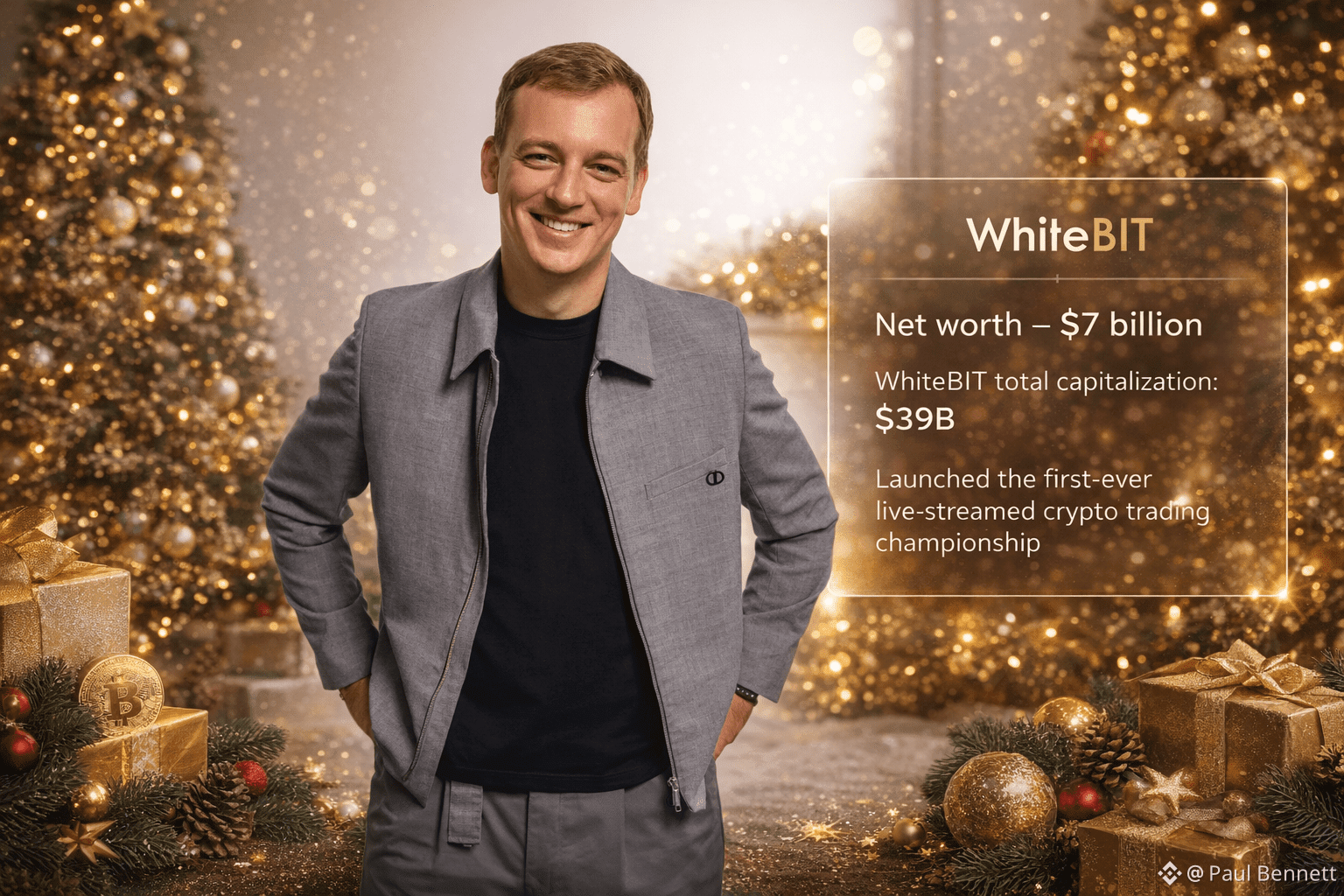
This year, WhiteBIT delivered a rare combination of scale, infrastructure growth, and brand positioning in the blockchain and new technologies sector. One of the most notable milestones was the launch of ICTC, the largest crypto online tournament to date, which attracted massive global attention and helped bridge technology with mainstream digital culture.
Another major step was the inclusion of WhiteBIT’s native coin ($WBT) in the S&P Jones index. This was not a symbolic move. Index inclusion fundamentally changes how institutional capital views an asset and the company behind it.
Result: Nosov’s personal net worth in 2025, according to various estimates, is around $7 billion. The success of WhiteBIT in blockchain technologies and innovative products has been a key factor that significantly boosted Nosov’s capital. The company’s projected capitalization could reach $52 billion, with its market cap hitting $20 billion by 2026, confirming the success of Nosov’s strategy.
Interesting fact: Outside of technology, Nosov is a passionate collector of exclusive cars. In 2025, he launched a WBT Garage on YouTube, where he showcases vehicles from his personal collection. The episodes are already attracting millions of views.
Reed Hastings: Building a Media Empire That Still Grows
Reed Hastings, co-founder and chairman of the board of Netflix, demonstrated in 2025 that streaming is still very much a growth business when executed correctly.
Netflix continued refining its recommendation algorithms, content strategy, and global production pipeline. One of the standout releases was Wednesday, which once again proved Netflix’s ability to turn original IP into a global cultural phenomenon.
What impressed me most was Netflix’s discipline. Instead of chasing every trend, the company doubled down on storytelling, data-driven decisions, and international expansion.
Result: Reed Hastings’ personal capital currently stands at approximately $5.2 billion, reflecting Netflix’s sustained dominance and ability to adapt even in a saturated market.
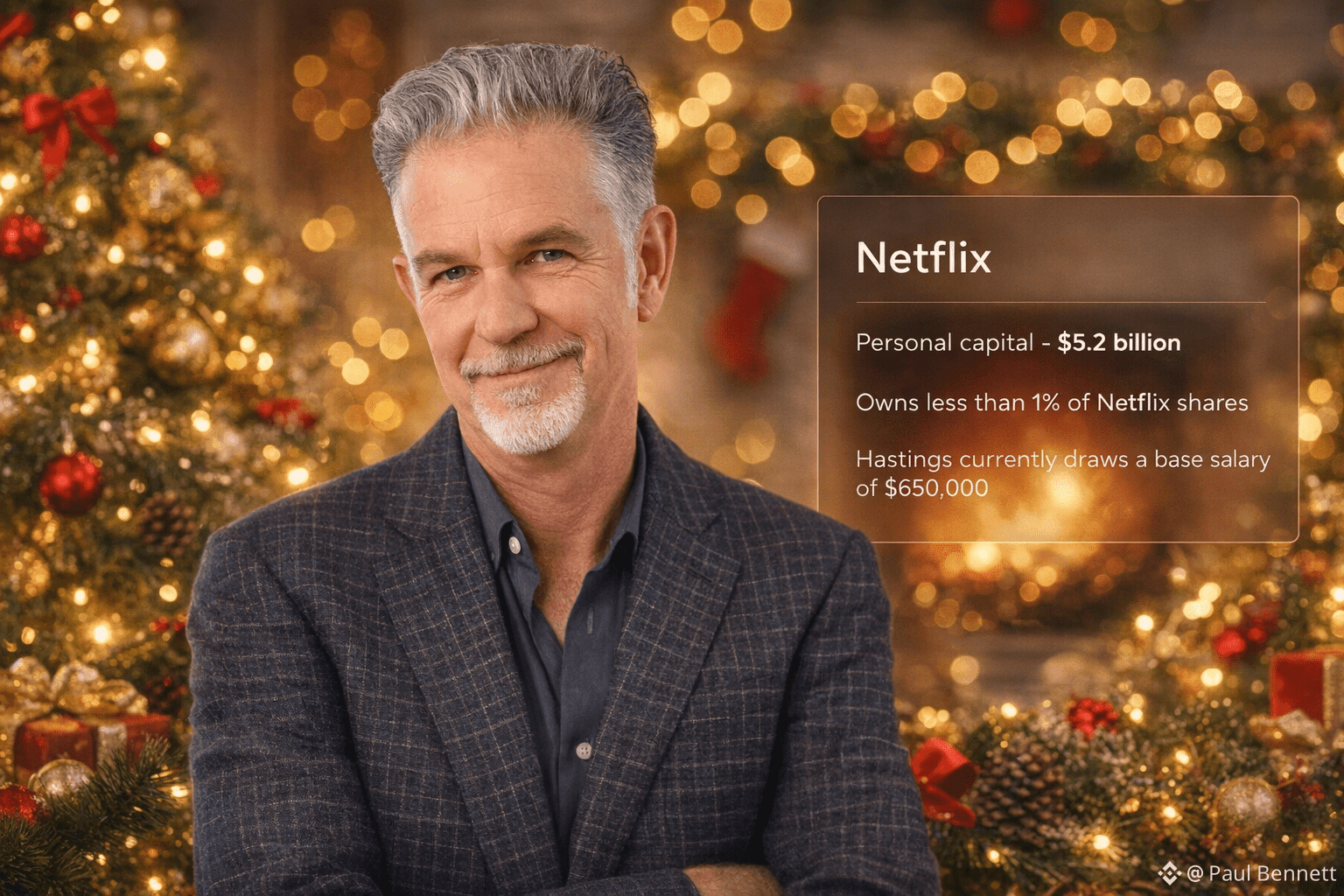
Interesting fact: Hastings is known for his love of movies and once mentioned that he watches at least 2 movies a week. He also plays a significant role in the content creation strategy, often personally picking projects to invest in. Not just a businessman, but a true media enthusiast.
Takeaway
Looking back at 2025, one thing becomes clear. Capital growth at this level is never accidental.
Whether it’s Musk engineering entire industries, Gates investing decades ahead, Dorsey rebuilding financial infrastructure, Nosov scaling blockchain into a global business, or Hastings refining digital media into a machine, each case proves the same idea.
The biggest money is made where technology, patience, and execution intersect. If 2025 taught me anything, it’s that following how these people think is often more valuable than following markets themselves.
