
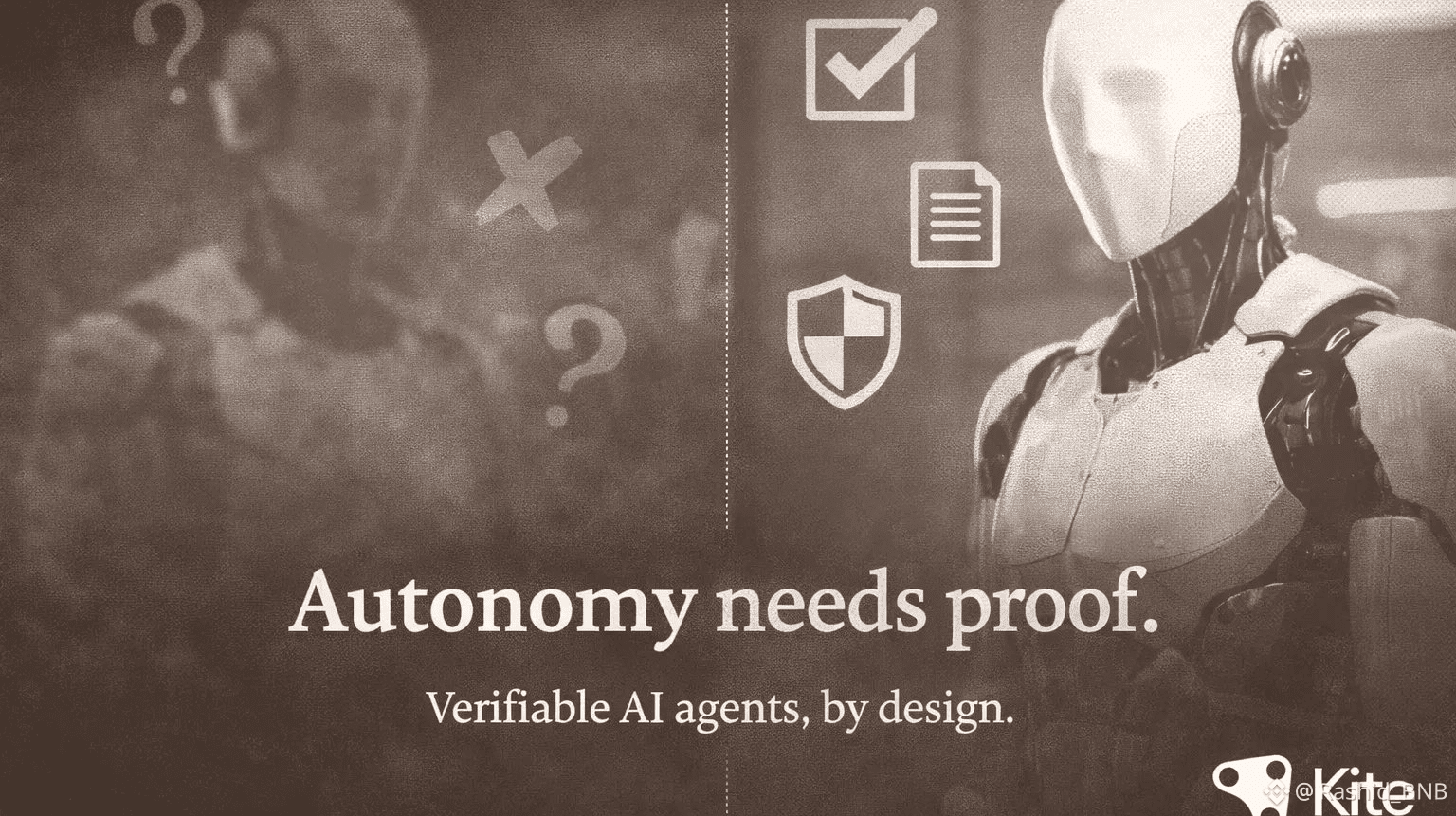
Quando si immagina come l'IA funzionerà veramente nel mondo reale, è utile pensare al di là di una singola rete o piattaforma. Il futuro punta verso un ambiente digitale connesso in cui molte blockchain, servizi e sistemi interagiscono senza soluzione di continuità, e in cui gli agenti autonomi basati sull'IA possono muoversi liberamente tra di essi. È questo il futuro verso cui Kite sta lavorando. Piuttosto che essere un ecosistema chiuso, Kite è progettato come uno strato aperto che consente agli agenti di IA di operare su molteplici blockchain, garantendo che identità e valore non siano mai intrappolati in un unico luogo. Questa apertura non migliora solo la compatibilità tecnica: crea una vera libertà economica, permettendo agli agenti di accedere a servizi e effettuare pagamenti ovunque sia più conveniente.
La maggior parte delle blockchain oggi è stata costruita intorno agli utenti umani: portafogli, firme e approvazioni manuali. Sebbene questo funzioni per le persone, non si adatta bene a un mondo in cui gli agenti AI agiscono in autonomia. Kite affronta questo problema fidandosi dell'agente stesso, non solo della persona che lo sta dietro. Attraverso il suo modello di identità a tre livelli — utente, agente e sessione — ogni agente ha la propria identità portatile. Questa identità può spostarsi tra servizi e, sempre di più, tra blockchain. Di conseguenza, gli agenti creati su Kite possono essere riconosciuti non solo sulla Layer-1 di Kite, ma anche su altre reti supportate. Questo stabilisce uno standard più ampio su come gli agenti AI verificano chi sono in un mondo decentralizzato.
L'attenzione di Kite sull'interoperabilità cross-chain rinforza questa visione. Le integrazioni con piattaforme come Pieverse e i ponti verso catene come BNB Chain dimostrano che Kite prende sul serio la portabilità. Un agente può iniziare il suo ciclo di vita su Kite, quindi operare su altre reti senza perdere le proprie credenziali. Questo permette agli agenti di accedere ai dati, al calcolo o ai servizi più convenienti o più adatti attraverso gli ecosistemi, beneficiando non solo gli agenti individuali, ma l'intera rete di partecipanti AI.
Pensa a qualcosa come un passaporto valido a livello globale invece che in un singolo paese. Con un'identità portatile, gli agenti non devono ricrearsi su ogni catena. Questo è essenziale per l'adozione, poiché gli sviluppatori possono creare una volta e distribuire su larga scala, e gli utenti non sono confinati a una singola piattaforma. Ad esempio, un agente educativo potrebbe prelevare contenuti da una catena, pagare le lezioni private su un'altra e accedere a strumenti di valutazione su una terza — tutto mantenendo un'identità costante.
I pagamenti sono un altro elemento fondamentale. Grazie all'infrastruttura di pagamenti cross-chain abilitata da progetti come Pieverse, Kite permette agli agenti di effettuare micro-pagamenti tra reti con minima frizione, spesso senza preoccuparsi delle commissioni. Questo è cruciale per i sistemi autonomi. Se gli agenti devono continuamente gestire commissioni o cambiare valute, la loro efficienza diminuisce. Pagamenti seamless e a basso costo abilitano modelli di pagamento per uso e streaming, aprendo la strada a un'attività economica globale vera per gli agenti AI.
Il Passport dell'Agente di Kite — il suo sistema di identità crittografica — è anche progettato per essere portatile. Quando un agente si sposta su una nuova catena, non deve ricostruire la fiducia da zero. Il suo storico, i permessi e l'autorità lo seguono. Questa continuità è fondamentale perché i servizi devono avere fiducia che un agente sia legittimo prima di permettergli di operare o trasferire valore. Fissando l'identità in prove crittografiche sulla catena, Kite fornisce questa fiducia attraverso gli ecosistemi.
L'interoperabilità non è solo tecnica — è comportamentale. Sviluppatori e utenti vogliono libertà, non vincoli. Quando identità e pagamenti funzionano solo su una singola catena, la crescita è limitata. Ma quando gli agenti possono muoversi liberamente, l'adozione aumenta. Gli sviluppatori guadagnano fiducia che il loro lavoro non sarà isolato, e gli utenti sanno che i loro agenti possono operare ovunque esista valore.
Gli standard svolgono inoltre un ruolo chiave. Sostenendo protocolli emergenti come x402 e AP2, Kite aiuta a garantire che le interazioni e i pagamenti tra agenti siano comprensibili attraverso le diverse reti. Questo linguaggio condiviso permette agli agenti su una catena di interagire in modo significativo con servizi su un'altra, essenziale per l'autonomia reale su larga scala.
Da una prospettiva più ampia, un'economia multi-catena per l'IA beneficia l'intero spazio blockchain. Invece di far sì che ogni rete ricostruisca da sola sistemi di identità e pagamenti per gli agenti, un'infrastruttura condivisa permette alle catene di specializzarsi senza perdere la capacità di contribuire a un'economia unificata. L'attenzione di Kite su identità, pagamenti e governance lo posiziona come tessuto connettivo che collega servizi AI, reti di dati e blockchain.
C'è anche un aspetto umano. Le persone sono restie a sistemi che sembrano restrittivi o isolanti. Un'economia multi-catena per gli agenti promette libertà — agenti che crescono e si spostano insieme ai loro utenti. L'accento di Kite sull'interoperabilità riflette questa voglia di flessibilità, rendendolo meno un custode e più un abilitatore di autonomia.
Identità e pagamenti interoperabili aprono anche la composabilità. Gli agenti possono combinare servizi tra catene — pagare su una, calcolare su un'altra e ottenere dati da una terza — per svolgere compiti complessi senza intervento umano. Questo abilita comportamenti avanzati come negoziazione cross-chain, flussi di lavoro coordinati e esecuzione completamente autonoma.
Infine, la portabilità incoraggia la competizione e l'innovazione. Quando gli agenti non sono bloccati in un singolo ecosistema, le migliori idee possono competere a livello globale. Gli sviluppatori di diverse catene possono creare agenti che operano fianco a fianco, creando un mercato più sano e dinamico.
Sono ancora presenti sfide — le ponti sono complessi e gli standard devono maturare — ma la direzione è chiara. L'obiettivo di Kite non è dominare una singola catena, ma fornire le fondamenta condivise che permettano a molte reti di collaborare. In un futuro in cui gli agenti AI effettuano continuamente micro-pagamenti per dati, calcolo e servizi, la portabilità definirà quali piattaforme saranno più importanti. Sistemando l'intersezione tra identità, pagamenti e interoperabilità, Kite è posizionato per svolgere un ruolo centrale nell'emergente economia multi-catena per l'IA.