


Have you ever watched Bitcoin or Ethereum take a wild dive, only to bounce back stronger, leaving you scratching your head? It's not just luck or random market moods at play. Deep in the crypto world, powerful entities known as market makers are often calling the shots. These giants shape price movements to their advantage, raking in huge profits while everyday traders like you and me end up on the losing side. In this eye-opening piece, we'll dive into their clever strategies, backed by real insights from market data. Stick around to learn how to spot their moves and protect your investments – it could save you from costly mistakes.
Who Really Controls the Crypto Market?
Picture this: You're not trading against a faceless crowd; you're up against sophisticated operators with deep pockets. These market makers aren't there to make things fair – their main job is to ensure smooth buying and selling, but in reality, they turn the tables to benefit themselves. Think of them as the puppet masters of the crypto stage, guiding prices based on liquidity pools and futures contracts rather than genuine buyer-seller balance.
From my deep dive into price patterns, open interest levels, and forced sell-offs, it's clear that over nine out of ten big shifts in crypto values tie back to these pros. They don't care about "fair value" – to them, your positions are just opportunities to cash in. When prices drop sharply, it's often them pushing down to trigger stop-loss orders and wipe out leveraged bets. Once the dust settles and you've closed your trade at a loss, they flip the script and pump prices up again.
The Two Faces of Market Makers
Not all these big players operate the same way. There are essentially two groups steering the ship:
- The Stabilizers: These handle heavyweights like Bitcoin and Ethereum. Their focus is on keeping things steady, providing enough liquidity so trades happen without huge slips. But even here, they subtly influence directions to suit their books.
- The Swing Creators: This crew targets smaller coins, or altcoins. They thrive on chaos, engineering sharp ups and downs to catch traders on both sides – those betting on rises (longs) and falls (shorts). It's like setting a trap where no matter which way you jump, you land in their net.
In essence, one group keeps the ocean calm for the big fish, while the other stirs up storms to drown the small ones.
Their Ruthless Playbook: Step-by-Step Tactics
These operators follow a predictable yet brutal routine to maximize gains. It starts with making it tempting for you to jump in, then slamming the door shut behind you. Here's how it unfolds:
1. Lure You In: They create inviting entry points, often during quiet periods, so you feel confident opening a position.
2. Force the Exit: Once you're committed, they manipulate prices to hit your safety nets (stop-losses) or trigger mass sell-offs through leverage wipes. This floods the market with cheap coins, which they quietly buy up.
A prime case? Back on October 10, what looked like a tech glitch on major exchanges turned into a bloodbath. Traders couldn't close positions due to lags, losing millions. Meanwhile, the big players grabbed bargains at rock-bottom prices. Coincidence? Hardly – it's a classic move to harvest liquidity during "accidents."
In booming times, they fuel excitement to draw in fear-of-missing-out (FOMO) buyers, then sell off their holdings as you pile in. During slumps, they soak up panicked sales at discounts and inflate trading volumes to keep interest alive, even if it's artificial.
The cycle repeats: Build up holdings quietly, give prices a gentle push, ignite a surge, watch greed take over, offload to eager retail investors, and finally crash it all to start anew. This loop keeps them in the green year after year, while most folks lose out.
Spotting the Warning Signs and Staying Safe
The good news? You don't have to be their next victim. Start by steering clear of coins drowning in overhyped buzz or manufactured panic – that's often a red flag for behind-the-scenes games. Scan the charts for extreme spikes or drops (those wild candle tails) on both ends; they scream interference.
The golden rule: Time your moves wisely. Avoid chasing a sudden rally – that's precisely when they're setting up to dump. Instead, wait for the dust to settle and enter during calmer accumulation phases. Knowing when the party's over can mean the difference between profits and wipeouts.
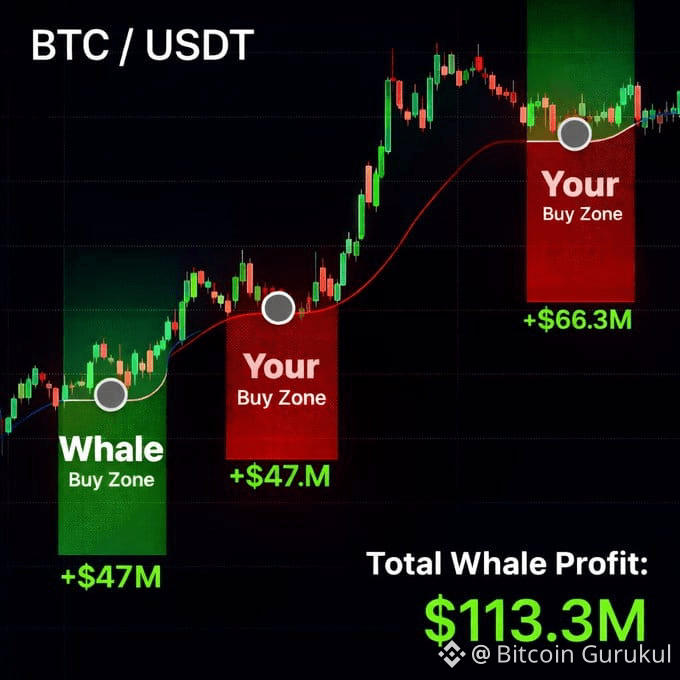
By understanding these patterns, you flip the script: Use their tactics against them, like buying low where they do, rather than selling into their traps.
Wrapping It Up: Empower Your Trades Today
Crypto isn't a level playing field, but armed with this knowledge, you can navigate it smarter. Market makers will always hunt for easy wins, but by recognizing their patterns – from liquidity grabs to cycle repeats – you position yourself to ride the waves instead of getting swept away. Remember, the market rewards the prepared, not the impulsive.
If this sparked some "aha" moments, share it with your trading buddies and let's spread the word. For more tips on spotting gems and real-time signals, check out communities dedicated to smart crypto plays.

