
In the world of crypto, many projects race toward hype, price action, and short term attention. Walrus Protocol takes a noticeably different path. Instead of leading with speculation, it is built around a clear idea: real utility must come before market excitement. This philosophy shapes every layer of the protocol, from its storage design to its economic incentives.
Walrus is designed to solve one of Web3’s most practical problems: how to store large amounts of data in a decentralized, reliable, and cost efficient way. Blockchains are excellent at security and verification, but they are not optimized for handling large files. Walrus bridges this gap by separating coordination from storage, allowing blockchains to remain lightweight while data lives in a purpose built decentralized network.
At its core, Walrus operates alongside the Sui Blockchain. Sui manages ownership, permissions, payments, and metadata, while Walrus handles the heavy data itself. This separation of concerns is a key reason the protocol prioritizes usefulness. It avoids forcing blockchains to do what they were never designed to do, resulting in a more efficient and scalable system.
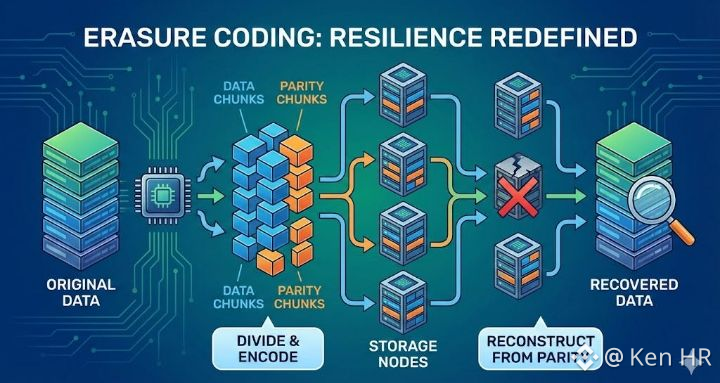
One of the most important technical choices in Walrus is its use of erasure coding instead of full file replication. Traditional decentralized storage systems often copy the same file many times across nodes, which increases costs and storage overhead. Walrus breaks files into smaller encoded pieces and distributes them across many independent storage providers. The original file can be reconstructed even if a portion of those pieces becomes unavailable.
This design dramatically improves resilience while keeping resource usage under control. Rather than relying on hype-driven promises, Walrus demonstrates a working model that balances durability, performance, and economic efficiency. For developers and enterprises, this translates into predictable storage costs and strong reliability guarantees.
Utility-first design also shows up in how Walrus supports real applications. Decentralized social platforms, NFT media hosting, AI datasets, and data-heavy Web3 apps all require fast access to large files. Walrus is built to handle these demands without sacrificing decentralization. This makes it suitable not just for experimental projects, but for systems that expect real users and sustained growth.
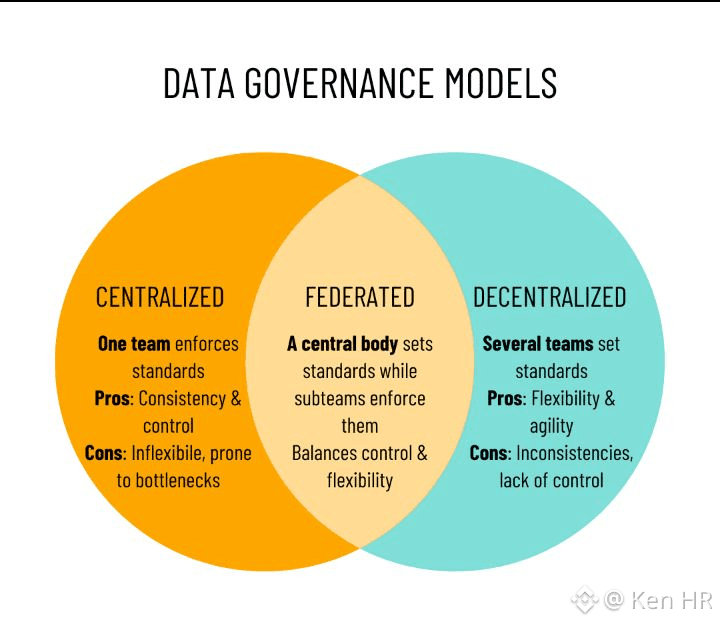
Another key aspect is data ownership. In traditional cloud storage, users trade control for convenience. Walrus removes centralized intermediaries, allowing users and applications to retain sovereignty over their data. This aligns closely with the original principles of Web3 and reinforces long term trust in the network.
Speculation often thrives on narratives disconnected from delivery. Walrus takes the opposite approach. By shipping a functional protocol focused on real storage needs, it allows value to emerge naturally over time. The WAL token is positioned as part of the system’s operation and incentives, not as the main attraction. This reduces short term noise and encourages participation from users who care about the network’s health.
Governance and incentives are structured to reward long term contribution. Storage providers, builders, and users all play defined roles, aligning interests around network reliability and growth. This creates a feedback loop where better service leads to more adoption, rather than price action driving unsustainable behavior.
In a market crowded with speculative launches, Walrus Protocol stands out by choosing patience and practicality. Its focus on utility first does not reject growth, but delays it until the foundation is strong. This approach may feel quieter in the short term, but it builds credibility where it matters most: in real world usage.
As Web3 matures, infrastructure projects that prioritize function over frenzy are likely to define the next phase of adoption. Walrus represents this shift clearly. By solving real storage problems today, it positions itself for relevance tomorrow, when speculation fades and only useful systems remain.

