
Web3 is moving far beyond simple token transfers and lightweight smart contracts. Today’s decentralized applications are handling rich media, real time data streams, AI models, gaming assets, and social content that generate massive volumes of data. Many blockchain projects still talk about scalability in theory, but struggle when real usage arrives. Walrus WAL was designed with a different mindset from the start. It is not built around short term narratives or minimal use cases. It is built for data heavy Web3 environments where storage, availability, and performance actually matter.
At the core of Walrus is a clear separation of responsibilities. Instead of forcing large files directly onto a blockchain, the protocol uses the chain mainly for coordination, permissions, and economic logic, while the actual data lives in a decentralized storage layer. This approach allows Walrus to scale with real demand without pushing costs or latency to unrealistic levels. It is a practical design choice that aligns with how Web3 applications are evolving today.
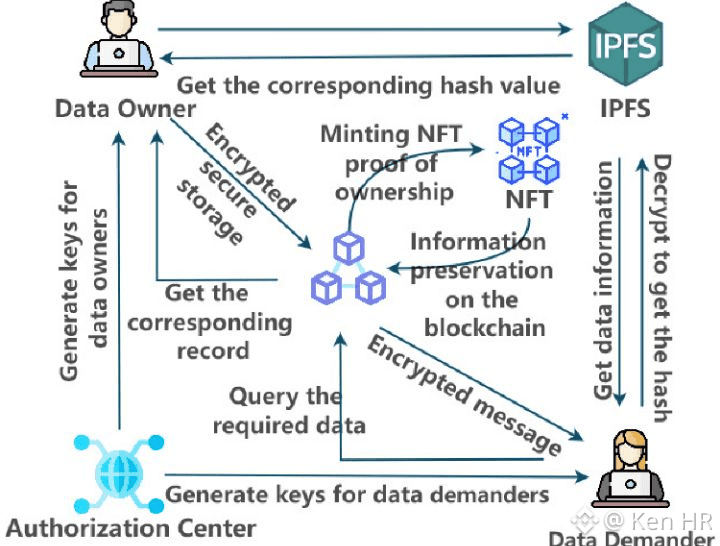
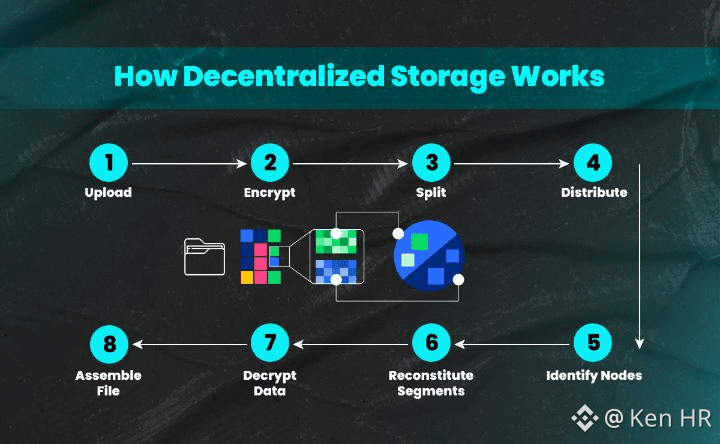
One of the biggest challenges in decentralized storage is reliability. Simply spreading full copies of data across many nodes is expensive and inefficient. Walrus addresses this through advanced erasure coding. Files are broken into smaller encoded pieces and distributed across independent storage providers. Even if a portion of nodes goes offline, the original data can still be reconstructed. This ensures durability without excessive replication, making the system both resilient and cost effective.
This design is especially important for data heavy Web3 applications. Decentralized social platforms need to store images, videos, and user generated content at scale. NFT ecosystems require reliable media hosting that cannot disappear overnight. AI driven dApps need access to large datasets and model outputs. Walrus is built to support these realities, not just whitepaper examples.
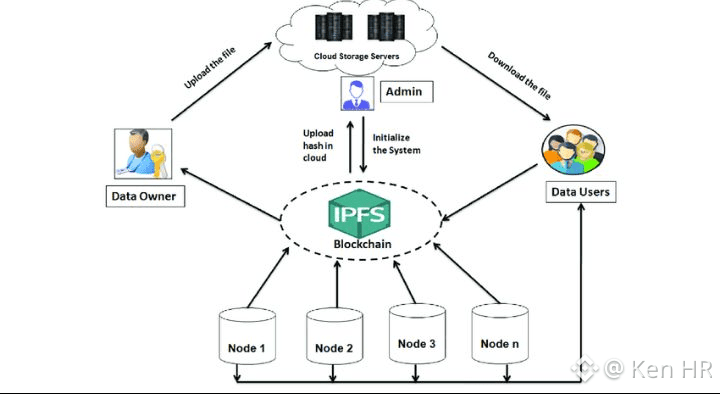
Walrus also benefits from being integrated into the broader ecosystem of the Sui network. This allows fast finality, efficient coordination, and smooth interaction with smart contracts. Storage operations, payments, and permissions can all be managed on chain, while the heavy data flows remain off chain where they belong. The result is a system that feels responsive and usable for developers building real products.
From an economic perspective, Walrus aligns incentives between users, storage providers, and token holders. Storage providers are rewarded for reliability and availability, while users pay for actual usage rather than inflated overhead. The WAL token plays a role in staking, governance, and securing the network, encouraging long term participation instead of short term speculation.
Another key strength of Walrus is its focus on long term adaptability. Data demands in Web3 will not remain static. As applications grow more complex, storage systems must evolve without breaking existing integrations. Walrus is designed as a modular infrastructure layer that can adjust to new requirements while preserving compatibility and security. This makes it suitable not only for today’s use cases, but for future generations of decentralized applications.
In a market where many projects promise scale without delivering real infrastructure, Walrus stands out by focusing on fundamentals. It does not try to force all data onto the blockchain, nor does it rely on centralized shortcuts. Instead, it builds a decentralized storage system that acknowledges the true nature of modern Web3 workloads.
For builders, Walrus offers a foundation that can handle real traffic, real users, and real data. For the broader ecosystem, it represents a shift away from lightweight promises toward infrastructure that is ready for serious adoption. As Web3 continues to mature, protocols like Walrus WAL that prioritize practicality over hype are likely to define the next phase of decentralized growth.

