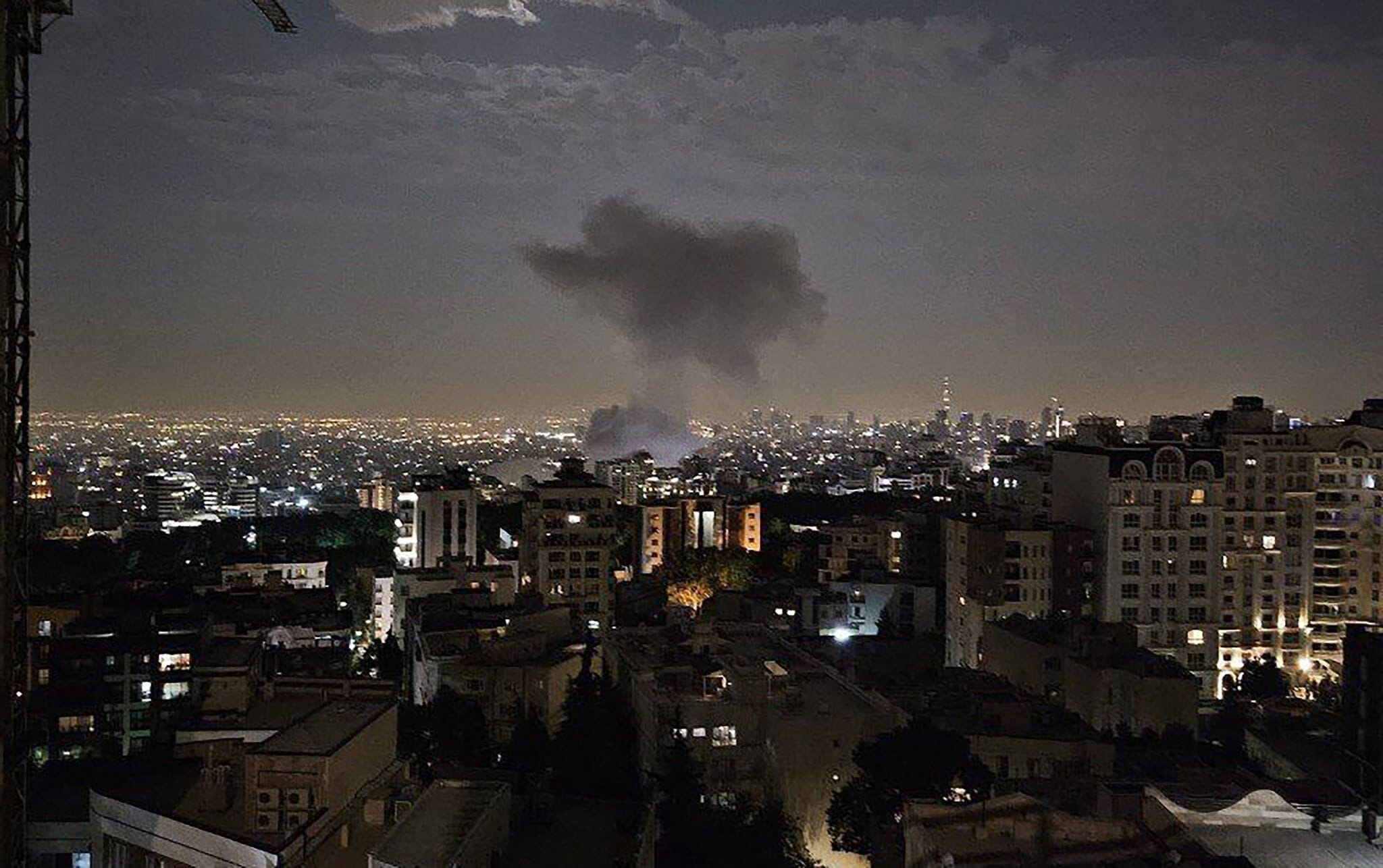
Date: January 24, 2026
Location: Middle East (reported internationally)
The Middle East is facing a significant escalation in tensions involving Israel and multiple neighboring countries, raising global concern over the possibility of broader conflict.
🧨 Regional Warnings and Military Signals
🔹 Turkey Issues Escalation Warning
Turkey’s Foreign Minister Hakan Fidan said on January 23 that Israel appears to be preparing for a potential strike against Iran, signaling a dangerous increase in regional tension if such action proceeds. Fidan warned this move could destabilize the Middle East further, urging diplomatic solutions over military action.
🔹 Israel’s Strong Response Posture
Israeli Prime Minister Benjamin Netanyahu has publicly stated that Israel would respond with unprecedented force if Iran attacks, reflecting a hardened strategic stance. Israeli military leadership says forces are on high alert for both defense and possible offensive operations.
🔹 Evacuation Warnings Near Borders
The Israeli Defense Forces have issued evacuation warnings to residents in three Lebanese villages ahead of planned military strikes against sites associated with Hezbollah. These warnings indicate preparations for escalation that could expand beyond borders.
🧨 Context: Why Tensions Are Rising
These developments unfold amid long-simmering tensions that involve:
Historic conflicts between Israel and Iranian-backed groups in Lebanon (like Hezbollah), Syria and Gaza.
Previous escalations in which Iran and Israeli forces have engaged in air and missile exchanges in 2025, raising fears of larger confrontation.
Diplomatic warnings from Russia, China, and Gulf states cautioning that unilateral moves by Israel — such as annexation efforts or military strikes — could trigger broader instability.
🌍 International Reaction & Diplomatic Pressure
World powers have repeatedly urged restraint:
U.S. officials have emphasized that how Israel conducts operations matters deeply for civilian safety and regional peace.
Other nations, including China, have publicly warned that continued military escalation may worsen the situation and disrupt efforts toward negotiation.
🧠 What This Means
Analysts say the region now stands at a delicate point where:
A single military incident — whether between Israel and Hezbollah on the Lebanon border or between Israel and Iran — could trigger wider hostilities;
Diplomatic pressure is increasing for ceasefire talks and restraint.