
Plasma is quietly changing how people think about stablecoins by turning them into income generating tools instead of static digital cash. As I look deeper into the ecosystem it becomes clear that the real story is not just Plasma USDT but how XPL supports the entire structure behind it. What feels exciting to me is how everyday savings behavior is being rebuilt on chain where holding stable value no longer means giving up returns. Plasma is showing that yield can be simple accessible and actually useful for real people.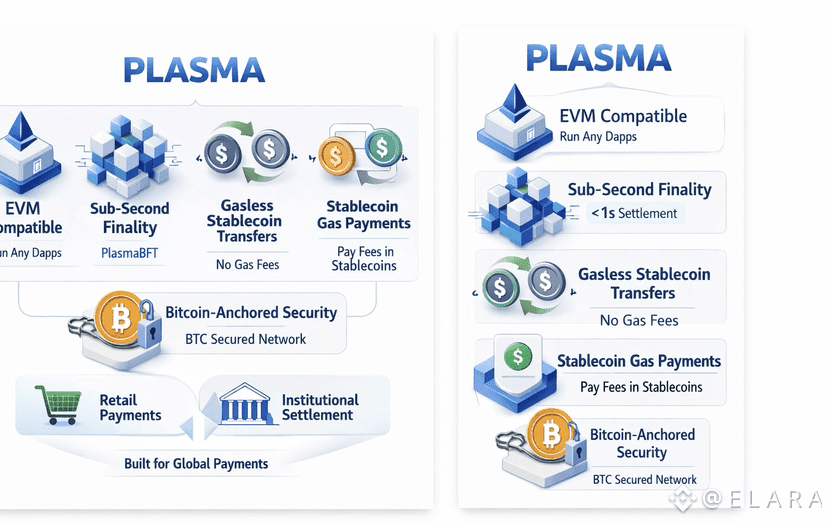
Plasma USDT and the Rise of Everyday Yield
Plasma USDT has become the centerpiece of this vision. Instead of asking users to chase risky farms it offers a locked product where USDT earns daily rewards while staying stable. I see this as one of the clearest bridges between traditional savings accounts and decentralized finance. Users lock USDT and receive a mix of USDT yield and XPL rewards without worrying about price swings.
What stands out is how fast it gained traction. Large inflows followed shortly after launch because the value proposition was obvious. In regions where inflation eats away at bank savings Plasma USDT offered something better almost immediately. The yields sit in a realistic range around five to eight percent annually which already feels generous compared to banks. There are no complex steps no gas fees thanks to paymasters and no minimum deposit barriers. From my point of view that simplicity is the real innovation.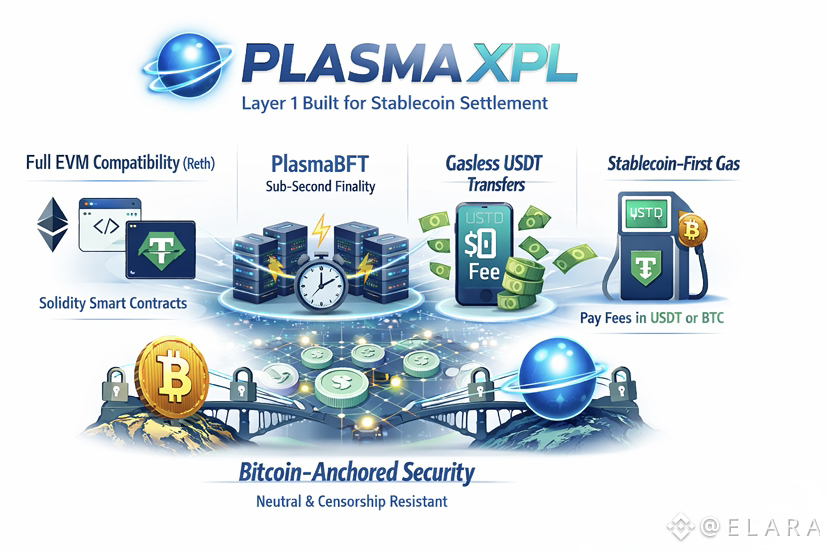
A large portion of Plasma stablecoin value now flows through this product. That tells me users are not just experimenting but actually trusting it as a place to park capital.
How DeFi Connections Multiply the Effect
Plasma USDT does not exist in isolation. It connects smoothly with lending and yield platforms across the ecosystem. When I look at how users can deposit USDT earn base yields and then layer Plasma incentives on top it feels like a natural evolution of DeFi rather than an experiment.
Advanced users can use these locked assets as collateral while still earning rewards. Simpler users can just hold and earn. That flexibility is why both individuals and institutions are participating. Bitcoin liquidity through pBTC adds another dimension where stable yields can be paired with BTC exposure in a controlled way.
Even after market corrections Plasma has held on to strong total value locked which tells me demand for on chain savings is not speculative. It is structural. Early incentives funded by ecosystem XPL are gradually giving way to fee driven returns which suggests the model was designed to last.
Why XPL Matters More Than It First Appears
XPL plays a quiet but critical role in all of this. It secures the network through staking and supports the incentives that make yield products attractive. When I follow the flow closely I see a loop forming. More stablecoin deposits create more activity. More activity generates fees. Fees lead to burns and rewards which strengthen XPL demand.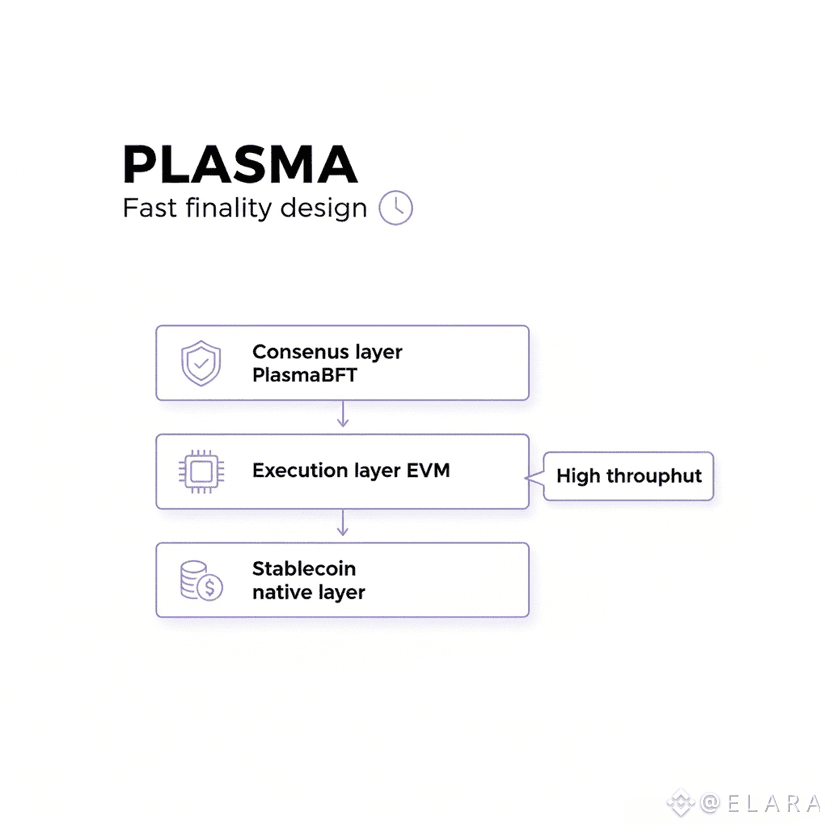
The supply mechanics reinforce this. Inflation starts modestly and trends downward while burns increase as usage grows. XPL airdrops to Plasma USDT users reward participation without distorting the system. To me this feels less like a marketing tactic and more like infrastructure economics done properly.
XPL trades with real volume and a growing holder base which suggests the market is slowly recognizing its role as more than just a governance token.
Practical Impact Beyond Crypto Circles
What really sells the vision for me is how practical it becomes outside crypto bubbles. Someone receiving remittances can store value in USDT earn daily yield and later spend it through upcoming Plasma One cards. Cashback adds another layer that traditional banks struggle to match.
Institutions benefit too. Idle stablecoin balances can generate returns while remaining liquid. On ramps make it easy to enter the system without technical friction. This is how adoption spreads quietly through usefulness rather than speculation.
Stablecoins start to behave like productive assets instead of digital cash sitting idle. That shift alone could change how millions interact with finance.
Risks and the Path Forward
Of course yield is never free of risk. Smart contract safety and strategy design matter. Plasma addresses this through audits diversified approaches and insurance layers. Subsidies will naturally reduce over time which means volume and real usage must carry the system forward.
From what I can see the early signs are encouraging. Trading volumes remain healthy participation continues to grow and regulatory clarity is slowly improving. If these trends hold the model becomes stronger rather than weaker as incentives taper.
Where This All Leads
Looking ahead products like Plasma One and expanded Bitcoin integrations could accelerate everything. Yield becomes embedded into daily financial behavior instead of something users chase actively. Plasma feels less like a speculative chain and more like financial plumbing being built quietly in the background.
What keeps me thinking is how normal this could eventually feel. Digital dollars that earn by default. Payments that save while you spend. If Plasma USDT becomes that standard XPL will have played its role behind the scenes powering a yield driven economy without ever demanding attention.
Sometimes the biggest shifts happen when finance stops feeling complicated. Plasma seems to be moving exactly in that direction.

