
There’s a moment in every blockchain project’s life when the technology stops being theoretical and starts solving actual problems for actual institutions. For Dusk Foundation, that moment arrived when NPEX, a regulated Dutch stock exchange, decided to tokenize over two hundred million euros worth of securities on their blockchain. Not as a pilot program. Not as an experiment. As the operational infrastructure.
Mark van der Plas, NPEX’s CEO, made the decision after years of watching blockchain projects promise institutional adoption without delivering it. Most platforms either prioritized privacy and ignored compliance, or focused on compliance and abandoned privacy. NPEX needed both. Their clients—small and medium enterprises across the Netherlands seeking capital—required the transparency that regulators demanded combined with the confidentiality that competitive business requires.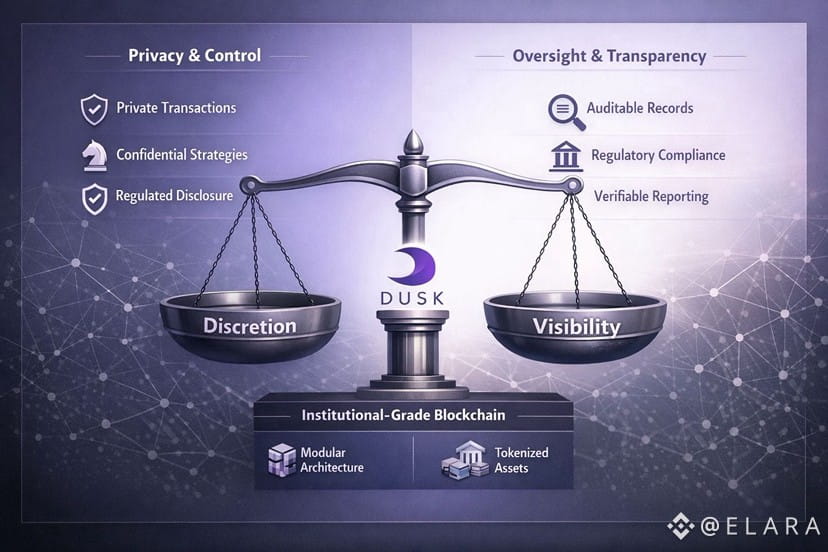
The Developer Experience Nobody Expected
When Dusk Foundation announced their mainnet would support third-party smart contracts from day one, most people focused on the technical architecture. The more interesting story lies in who can actually build on the platform. Dusk estimates that eighty percent of developers worldwide use a language that compiles to WebAssembly. This isn’t an accident. It’s a deliberate choice that changes the entire adoption equation.
Traditional blockchain platforms force developers to learn specialized languages. Solidity for Ethereum. Rust for Solana. Move for Aptos and Sui. Each creates a barrier where developers must invest months learning syntax and paradigms before deploying anything. Enterprises face an even higher barrier since their existing codebases use languages like C++, Python, JavaScript, or C#. Migrating to blockchain means rewriting everything.
Dusk built different infrastructure. Their virtual machine runs WebAssembly, meaning developers can write smart contracts in whatever language they already know, as long as it compiles to WASM. The Dusk team primarily uses Rust for core development, so their current tooling focuses there. But JavaScript developers can deploy contracts tomorrow. C++ developers can port existing financial libraries directly. Python developers can build analytics tools that run on-chain.
The persistence model reveals even deeper thought about developer experience. Most blockchains separate data and code, requiring developers to use special storage APIs. If you want to save state between contract executions, you call specific functions to read and write to storage. This adds cognitive overhead and creates opportunities for bugs when developers forget to persist critical data.
Dusk stores the entire memory snapshot. The complete state of a contract persists between executions automatically. Developers use familiar data structures like Rust’s BTreeMap knowing their data will be saved consistently across method calls. Even simple variables get preserved without special handling. The only requirement is marking data as static or global rather than temporary method variables.
This seemingly small design choice has enormous implications. Traditional developers from financial institutions can deploy contracts without understanding blockchain-specific storage patterns. A counter variable that tracks something just works. A collection that holds transaction records persists naturally. The learning curve drops from months to weeks or even days depending on the developer’s existing experience.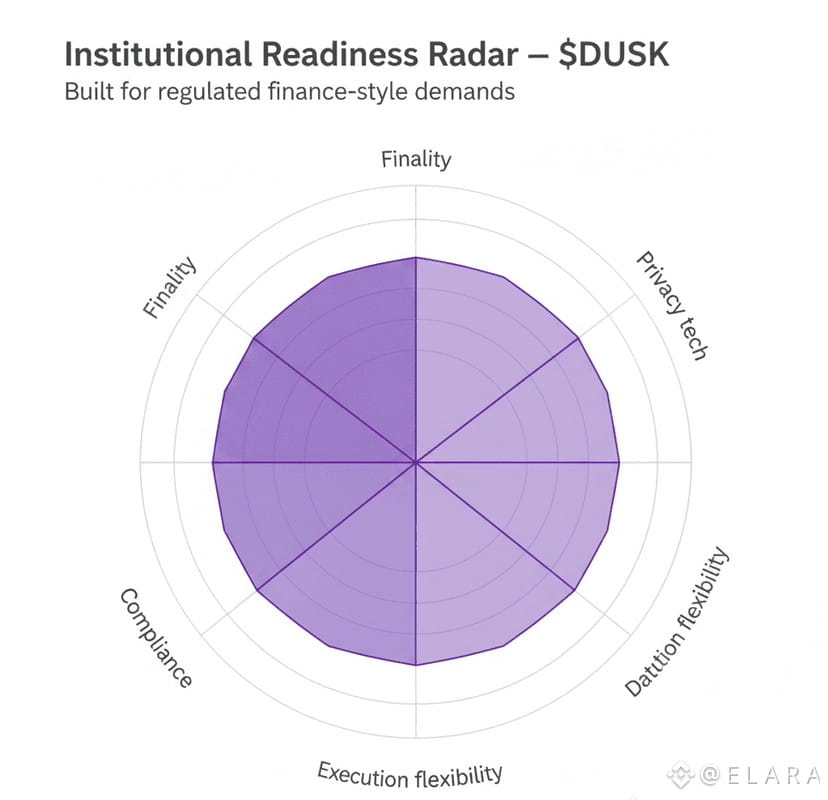
Building Europe’s First Blockchain Stock Exchange
The partnership between Dusk and NPEX didn’t happen quickly. It evolved over years as both organizations developed pilot projects testing whether tokenization could actually improve securities issuance and trading. NPEX operates under strict supervision from the Netherlands Authority for the Financial Markets. They hold licenses as both a Multilateral Trading Facility and European Crowdfunding Service Provider. Their platform has facilitated over one hundred financings for small and medium enterprises.
For NPEX, blockchain technology promised tangible benefits. Trade settlements could drop from days to seconds. Counterparty risks in transaction clearance could be eliminated through automated clearing. Corporate actions could be automated rather than requiring manual processing. Different financial organizations could interoperate with a single source of truth rather than maintaining separate ledgers that need reconciliation.
But these benefits only matter if the technology actually works in production under regulatory supervision. NPEX couldn’t deploy blockchain infrastructure that created compliance gaps or exposed client data inappropriately. They needed confidential transaction processing that still allowed regulators to verify compliance when required. They needed smart contracts that could enforce complex rules around securities trading. They needed infrastructure that financial institutions would trust with real capital.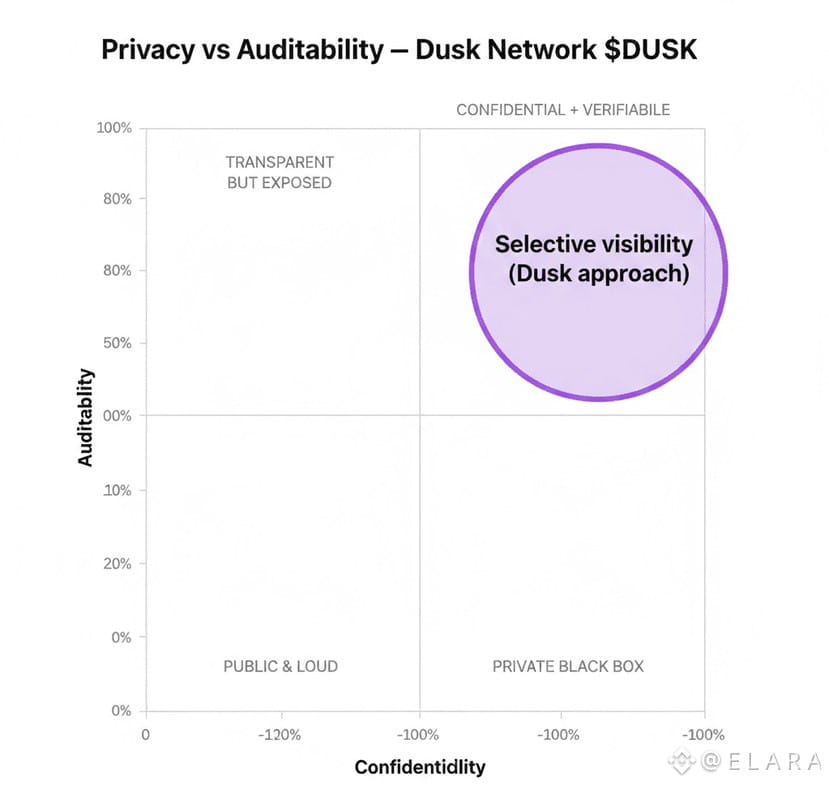
Dusk became a shareholder in NPEX, taking approximately a ten percent stake. This went beyond typical blockchain partnerships where companies announce collaborations without real commitment. Having skin in the game meant Dusk had every incentive to ensure NPEX’s success. The organizations developed together, with NPEX providing requirements from actual securities trading and Dusk building technology to meet those requirements.
The integration benefits extend to NPEX’s clients. Small and medium enterprises seeking capital can now issue tokenized shares in smaller quantities than traditional markets allow. Dividend payments can be automated through smart contracts rather than requiring manual processing. Expensive procedures resulting from shareholder meetings can be streamlined. Alternative financing methods become less costly, potentially attracting larger investments from investors who previously avoided smaller enterprises due to operational friction.
The Chainlink Integration That Changed Everything
November 2025 marked another milestone when Dusk and NPEX announced they were adopting Chainlink’s interoperability and data standards. This wasn’t just another partnership announcement. It solved the fundamental problem of how regulated European securities could move across blockchain ecosystems while maintaining compliance.
Chainlink’s Cross-Chain Interoperability Protocol became the canonical interoperability layer for tokenized assets issued by NPEX on DuskEVM. Assets can now move securely between different blockchain environments without sacrificing the regulatory status they inherited from NPEX’s licenses. An equity tokenized on Dusk can be traded in DeFi environments on other chains while maintaining all compliance properties.
The Cross-Chain Token standard enables DUSK token transfers between networks like Ethereum and Solana. This matters more than it might initially appear. Liquidity fragments across different blockchains as each ecosystem develops independently. Being able to move tokens between chains without wrapped versions or complex bridging mechanisms means capital can flow to where it’s most productive without getting trapped in any single ecosystem.
Chainlink DataLink became the exclusive onchain data oracle solution for NPEX. Official exchange data flows directly from NPEX to smart contracts with transparency and auditability that institutions require. When paired with Chainlink Data Streams providing low-latency updates, institutional applications get the real-time market information their trading strategies demand.
This integration transformed NPEX and Dusk into data publishers for regulatory-grade financial information. Rather than relying on third-party data providers with potential conflicts of interest, the exchange itself publishes authoritative information that smart contracts can trust. The approach mirrors how traditional financial infrastructure works where exchanges are authoritative sources for their own trading data.
Johann Eid from Chainlink Labs described the collaboration as defining a blueprint for regulated markets operating natively onchain. That’s not marketing language. It’s recognizing that figuring out how regulated securities can work across blockchain ecosystems while maintaining compliance creates a template others can follow. The technical implementation proves it’s possible. The regulatory approval proves it’s legal.
Cordial Systems Completes The Infrastructure Stack
Moving securities on-chain requires solving custody. NPEX selected Cordial Systems’ self-hosted wallet solution called Cordial Treasury to handle post-trade processes and settlements. This choice reveals sophisticated thinking about institutional requirements.
Financial institutions need full control over their digital asset custody. Using third-party custodians introduces counterparty risk and regulatory complexity. But building custody infrastructure from scratch requires enormous technical investment that most exchanges can’t justify. Cordial Treasury provides on-premise wallet management, meaning NPEX maintains complete control while leveraging proven technology.
Cordial Systems brings relevant experience. They partner with Figure Markets which successfully issued over ten billion dollars in private credit on-chain. Figure also launched an SEC-registered yield-bearing stablecoin, demonstrating they understand regulatory compliance. For NPEX, selecting a custody partner with demonstrated institutional experience reduced risk significantly.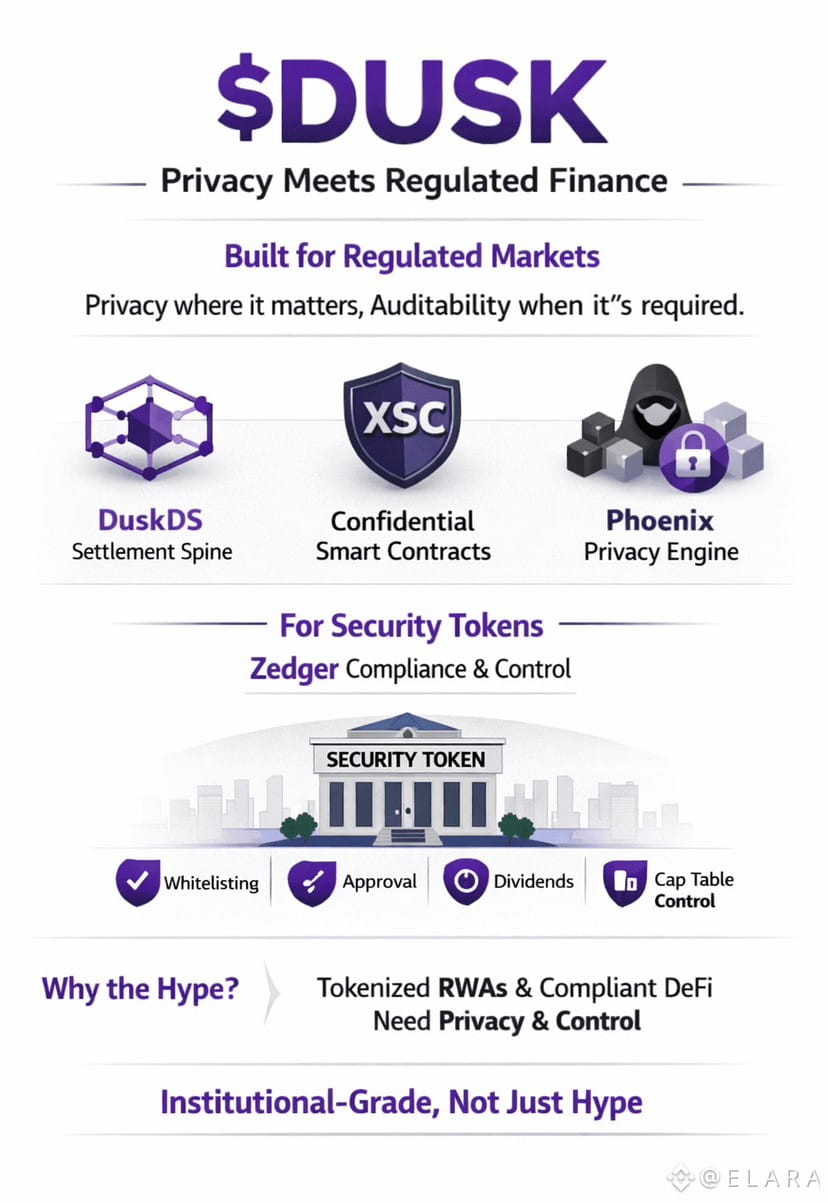
The integration worked smoothly because Cordial Systems specializes in rapid blockchain integration. They can add support for new chains in weeks rather than months. When NPEX selected Dusk as their approved Layer 1 blockchain, Cordial’s team quickly connected Cordial Treasury to the network. Existing Cordial clients can now leverage Dusk for holding and transferring assets, expanding the institutional adoption of compliant blockchain solutions.
Dusk will introduce custody for all digital assets including cryptocurrencies and tokenized securities. This innovation significantly simplifies onboarding Dusk assets on both crypto-native and regulated exchanges. The DUSK token itself becomes easier to list. Zedger assets issued through Dusk’s compliance framework can be custodied using the same infrastructure. Reducing friction at every step in the adoption process compounds over time.
What Hyperstaking Actually Means For Institutions
Dusk’s roadmap includes a feature called Hyperstaking that most people misunderstand. It’s not just another staking mechanism. It’s programmability for staking positions that opens entirely new possibilities.
Hyperstaking allows smart contracts to implement custom logic handling stakes. This is analogous to Account Abstraction in Ethereum but applied to staking rather than transactions. Privacy-preserving staking becomes possible where validators can participate without revealing their identity or holdings. Affiliate programs can be built where successful validators share rewards with supporters. Delegation can work through smart contracts that enforce specific rules. Liquid staking protocols can be constructed where staking positions become tradeable assets.
For institutions, these capabilities matter enormously. A fund managing client assets might want staking positions that automatically distribute rewards to beneficiaries according to their ownership percentages. A corporation might want staking that only accepts participation from verified entities. A DAO might want staking where governance rights attach to positions. Hyperstaking enables all of these through contract logic rather than requiring core protocol changes.
The feature unlocks yield boosting strategies where staking positions can be used as collateral in DeFi protocols. This increases capital efficiency since assets don’t sit idle while securing the network. They simultaneously earn staking rewards and enable other financial activities. Traditional staking forces a choice between security participation and capital deployment. Hyperstaking eliminates that tradeoff.
The Zedger Framework Changes Asset Tokenization
Zedger represents Dusk’s approach to compliant asset tokenization. Rather than building a single application for securities issuance, they created a framework that asset issuers can customize for their specific requirements. The system focuses on privacy-preserving compliant asset management.
Assets inherit regulatory status from licensed partners. When NPEX issues a security on Dusk using Zedger, that asset carries NPEX’s licenses and regulatory approvals. Investors know the asset was issued under Netherlands financial market supervision. Regulators can verify compliance through cryptographic proofs rather than requiring access to private transaction data.
This inheritance model solves a problem that plagued earlier tokenization attempts. If each issuer needs independent regulatory approval, the compliance costs become prohibitive for all but the largest issuances. By partnering with regulated entities like NPEX, Dusk enables smaller issuers to access the same regulatory framework. A small enterprise issuing equity through NPEX benefits from the exchange’s existing licenses.
The beta version launched for testing with partners, allowing real-world feedback before full production deployment. This iterative approach reflects lessons learned across the blockchain industry. Launching too early with missing features frustrates users. Launching too late after competitors establish market position reduces adoption. Beta testing with actual partners balances these pressures, ensuring the technology works for real use cases before opening to broader markets.
MiCA Compliance Opens European Markets
The Markets in Crypto-Assets regulation represents Europe’s comprehensive framework for digital asset markets. It creates regulatory certainty that many blockchain projects struggled to achieve. Dusk designed their architecture with MiCA compliance as a core requirement rather than an afterthought.
For NPEX, MiCA implementation means DUSK becomes the central exchange utility token. This expands DUSK’s role within the ecosystem beyond simple transaction fees. The token gains additional utility as the medium of exchange for activities on the exchange. Trading fees, listing fees, and other exchange services can be denominated in DUSK, creating demand that correlates directly with exchange activity.
The vision involves creating a crypto-like centralized exchange for real-world assets. Imagine the user experience of a modern crypto exchange—low fees, intuitive interface, instant settlement—but for traditional securities. Instead of waiting days for stock trades to settle while your capital sits frozen, trades complete immediately. Instead of paying broker fees that eat into returns, smart contracts handle execution at minimal cost.
Traditional finance becomes more accessible through this model. Retail investors get direct access to securities that previously required broker intermediaries. Institutional investors can trade across borders without navigating different clearance systems for each market. The exchange operates twenty-four seven rather than limiting trading to specific hours. Fractional ownership becomes trivial through token divisibility.
The Trust Minimized Settlement Vision
Dusk’s roadmap includes trust-minimized clearance and settlement combining traditional and blockchain-based systems. This addresses a critical transition period where financial institutions operate in both worlds simultaneously. Complete migration to blockchain would be ideal but isn’t realistic in the short term. Institutions need infrastructure that works with existing systems while enabling blockchain benefits.
Atomic transactions solve delivery-versus-payment problems that create settlement risk in traditional markets. When buying a security, you want assurance that if you deliver payment, you’ll receive the asset. Traditional settlement involves trusted intermediaries who guarantee both sides fulfill obligations. Blockchain-enabled atomic swaps eliminate this intermediary requirement through cryptographic guarantees.
Twenty-four seven trading transforms market access. Traditional stock exchanges operate during business hours in their local timezone. Global investors face constraints where certain markets are closed when they want to trade. Securities tokenized on Dusk can trade continuously, increasing liquidity and reducing the impact of time-zone restrictions.
Fractional asset trading democratizes access to investments previously limited to large capital holders. A high-value real estate asset might require millions to purchase a whole unit. Tokenization allows selling fractional interests where investors buy exactly the exposure they want. This increases the potential investor base and improves price discovery.
Regulated partners like brokers, market makers, asset management organizations, ETF providers, and institutional investors all benefit. Brokers reduce operational costs while offering better pricing to clients. Market makers access deeper liquidity pools. Asset managers can construct portfolios with precise allocations. ETF providers can create products tracking previously illiquid assets. Institutional investors find counterparties for large trades without moving markets.
Privacy-Preserving Payments Complete The Picture
Dusk Pay brings privacy and scalability to payment processing. This component targets business-to-business settlements where transaction confidentiality matters commercially. When two companies transact, revealing payment details to competitors or the general public creates strategic disadvantages. Traditional banking provides confidentiality through institutional controls. Blockchain’s transparency conflicts with business requirements.
Dusk’s zero-knowledge proof architecture solves this by making transactions confidential while remaining auditable. Regulators can verify compliance when required. Tax authorities can audit income and expenses for reporting verification. But competitors cannot see transaction details that reveal business relationships or pricing.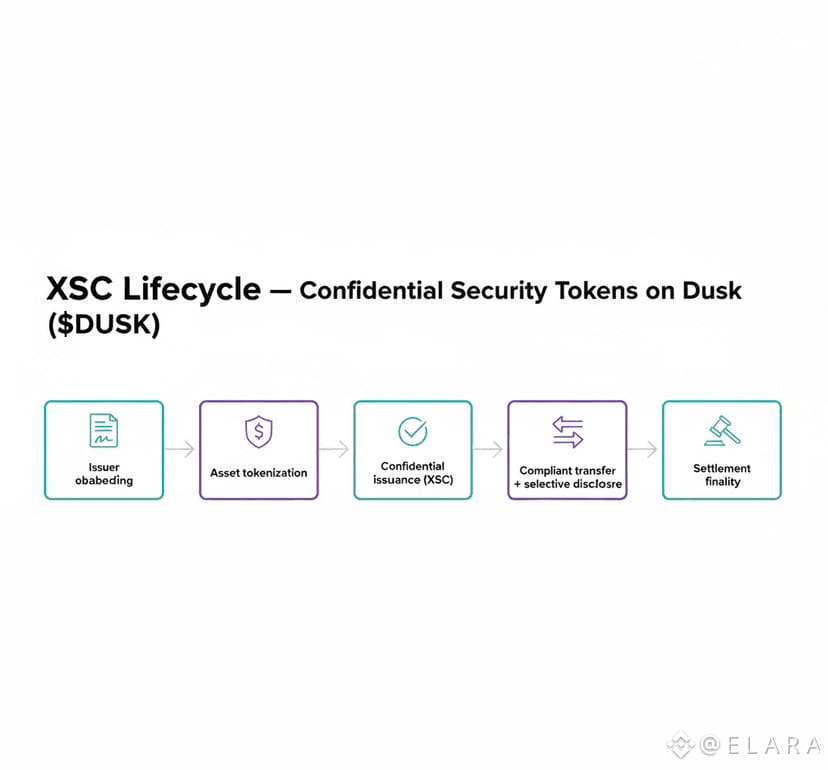
MiCA-compliant payment networks enable businesses to transact using stablecoins while meeting regulatory requirements. This combines blockchain benefits like instant settlement and programmability with regulatory clarity that enterprises require. Cryptographic audit trails provide regulators with proof of compliance without exposing commercial details publicly.
The payment network completes Dusk’s vision of bringing the entire financial ecosystem onchain. Issuers can create securities. Investors can trade those securities. Dividends can be paid through privacy-preserving payments. Corporate actions can trigger automated payments to token holders. The entire lifecycle happens on-chain with appropriate confidentiality and compliance at each step.
What Full Onchain Finance Actually Looks Like
Dusk’s ultimate goal is achieving full onchain issuance, clearance, and settlement. This means creating a DLT-based financial ecosystem that handles everything traditional financial infrastructure does, but more efficiently and with appropriate privacy controls.
Picture a medium-sized enterprise seeking ten million euros in growth capital. Instead of engaging investment banks for expensive underwriting, they work with NPEX to issue tokenized equity on Dusk. The offering documentation lives on-chain with appropriate access controls. Compliance checks happen automatically through smart contracts. Investor accreditation verification uses zero-knowledge proofs preserving privacy.
Interested investors from across Europe can participate directly from their wallets. No broker intermediaries. No separate custody arrangements. The enterprise sets offering terms in a smart contract that automatically enforces rules around maximum investment amounts, lock-up periods, or transfer restrictions. When the offering completes, funds transfer atomically with token issuance. No settlement risk. No delayed funding while paperwork processes.
Trading begins immediately in secondary markets. Shareholders can buy and sell positions twenty-four seven. Market makers provide liquidity through automated market making contracts. Price discovery happens continuously rather than only during exchange hours. Dividends distribute automatically to token holders according to their positions when payments occur.
Corporate actions like voting happen on-chain with cryptographic proof of shareholder authorization. Results are transparent and verifiable while individual voting decisions remain private if desired. Share buybacks execute through smart contracts at predetermined prices. Rights offerings automatically allocate new tokens to existing holders proportional to ownership.
This vision eliminates entire layers of financial infrastructure that exist primarily to manage information asymmetry and settlement risk. When transactions are atomic and records are immutable, much of that infrastructure becomes unnecessary overhead. The cost savings can be passed to both issuers and investors, making capital markets more efficient.
The Implementation Challenge
Moving from vision to reality requires solving countless practical problems that don’t appear in whitepapers. Dusk’s partnership with NPEX demonstrates they’re actually doing this work rather than just describing future possibilities.
Regulatory approval takes time. NPEX spent years working with the Netherlands Authority for the Financial Markets to ensure their blockchain implementation met requirements. They couldn’t move fast and break things. Every aspect needed review and approval before handling client assets. This deliberate pace frustrates people who want immediate disruption but is necessary when dealing with regulated financial markets.
Integration with existing systems requires careful engineering. NPEX has connections to payment processors, custodians, market data providers, and regulatory reporting systems built over years of operation. Moving to blockchain can’t break these connections. New infrastructure needs to work alongside existing infrastructure during transition periods that might last years.
User experience must meet institutional standards. Financial professionals use sophisticated tools that enable complex workflows. Simply providing blockchain access isn’t sufficient. The interface needs features these users expect around order types, portfolio management, reporting, and compliance tools. Building quality user experiences takes as much work as the underlying blockchain technology.
Security requires paranoia. Financial infrastructure attracts attacks because that’s where the money lives. Every component from smart contracts to key management to node operations needs security review and testing. Small vulnerabilities become critical failures when exploited. The conservative pace frustrates people wanting faster progress but is appropriate given what’s at stake.
The Path Forward For Institutional Blockchain
Dusk Foundation represents a specific bet about how blockchain enters institutional finance. Rather than institutions eventually adopting public blockchains built for other purposes, purpose-built infrastructure emerges that meets institutional requirements from the beginning. Privacy isn’t added later as an afterthought. Compliance isn’t bolted on after launching. The architecture assumes these requirements and builds accordingly.
The NPEX partnership validates this approach. A regulated stock exchange selected Dusk after evaluating alternatives and determining it best met their needs. They became shareholders, demonstrating commitment beyond typical partnership announcements. They’re building operational infrastructure on Dusk, not pilot programs. That’s meaningful validation that the technology works for actual institutions with actual requirements.
Whether this model succeeds at scale depends on execution over years, not months. Financial infrastructure changes slowly because the costs of failure are enormous. But the efficiency gains from blockchain-based settlement, the access improvements from tokenized securities, and the cost reductions from automated processes all point toward eventual adoption. The question becomes which platforms institutions select for this infrastructure.
Dusk positioned itself well by prioritizing institutional requirements while many competitors focused on retail crypto users. The developer-friendly environment enables financial institutions to port existing codebases rather than rewriting everything. The privacy architecture provides confidentiality without sacrificing compliance. The partnerships with NPEX, Chainlink, and Cordial Systems demonstrate real-world implementation rather than theoretical possibilities.
For investors watching the space, Dusk represents exposure to institutional blockchain adoption in European markets. Success means significant upside as regulated securities migrate on-chain. Failure means the technology wasn’t ready or institutions found better alternatives. But unlike many blockchain projects making institutional claims without institutional partners, Dusk has NPEX actually building on their infrastructure. That makes the thesis concrete rather than speculative.