
Vanar feels like a project that began with a moment of discomfort rather than inspiration. The kind of discomfort that comes when you realize that if something actually works at global scale it can break people’s lives just as easily as it can improve them. I’m not seeing a team chasing the idea of mass adoption as a slogan. I’m seeing a team that seems aware of how heavy that responsibility is. Vanar is a Layer One blockchain designed for real world adoption but the tone behind it is careful. Almost cautious. Games entertainment and brands are not easy environments. They are unforgiving. If systems fail people do not debate ideology. They simply leave. That reality shapes how Vanar exists.
Behind the scenes Vanar operates as a full blockchain network handling ownership validation settlement and long term persistence. But what matters is how deliberately it avoids being felt. I’m not asked to wait. I’m not asked to understand. The system is designed to stay predictable under pressure because unpredictability is the fastest way to lose trust at scale. When millions of users interact with digital worlds there is no room for explanation. Things either work or they don’t. Vanar behaves as if it understands that scale is not a technical milestone. It is a stress test of discipline.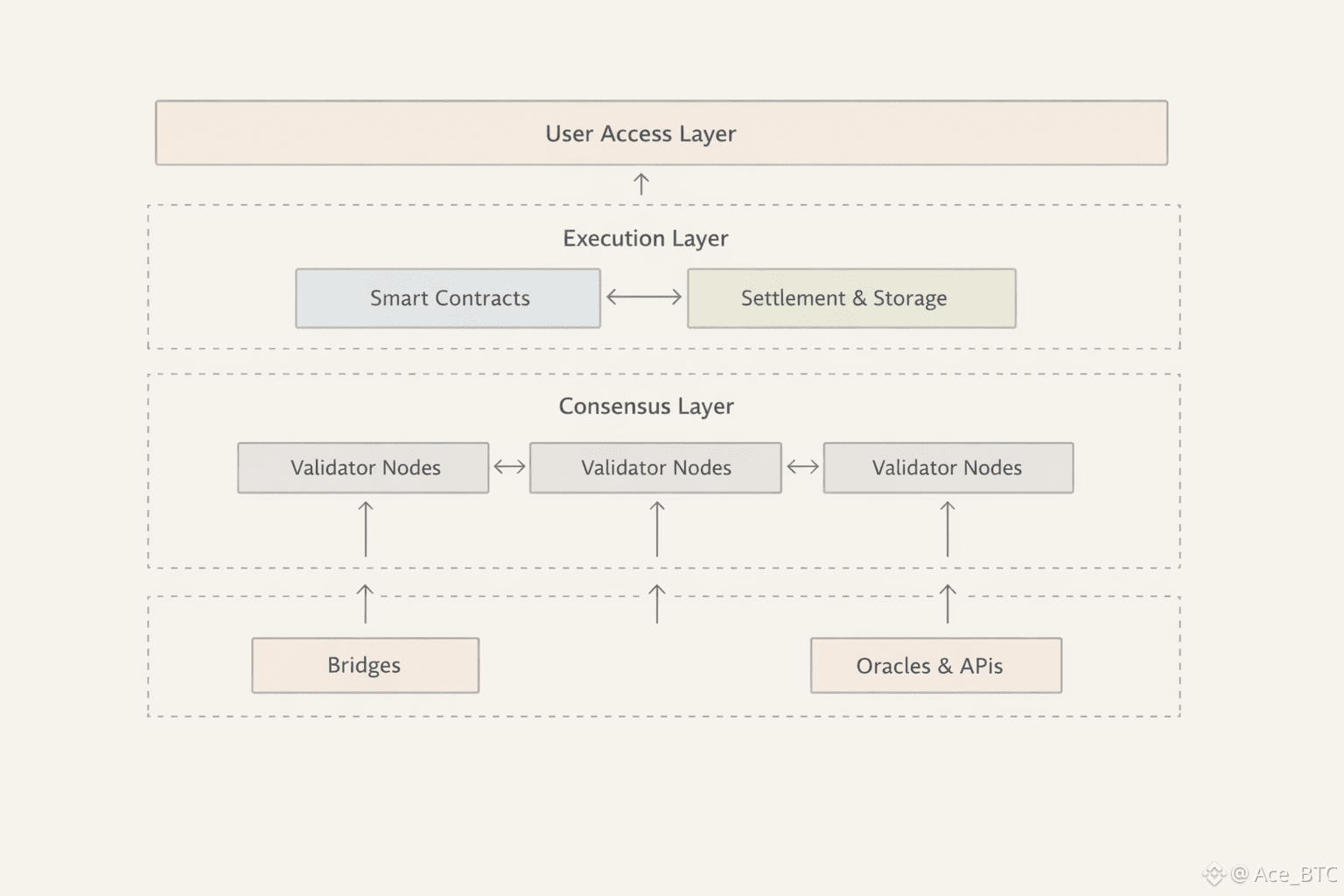
The architectural decisions reflect that mindset. Vanar is not optimized for constant reinvention. It is optimized for staying correct over time. Throughput stability and developer familiarity are prioritized because systems supporting games and entertainment cannot afford frequent shifts in direction. If it becomes popular the network must already know how to behave when attention arrives. I’m seeing a chain that treats scale as a responsibility rather than a reward. That is rare in this space.
Choosing games and entertainment as the proving ground was not the easy option. These environments expose weakness quickly. Players notice delays. Worlds collapse when persistence breaks. Ownership feels meaningless if continuity disappears. The Vanar team comes from these industries and it shows. They understood that if blockchain cannot survive inside games it cannot survive anywhere people care deeply. Products like Virtua Metaverse and the VGN games network are not showcases. They are pressure chambers. Virtua is designed as a world meant to persist. VGN supports gaming ecosystems where progression matters more than novelty. If the system holds up here it earns the right to exist elsewhere.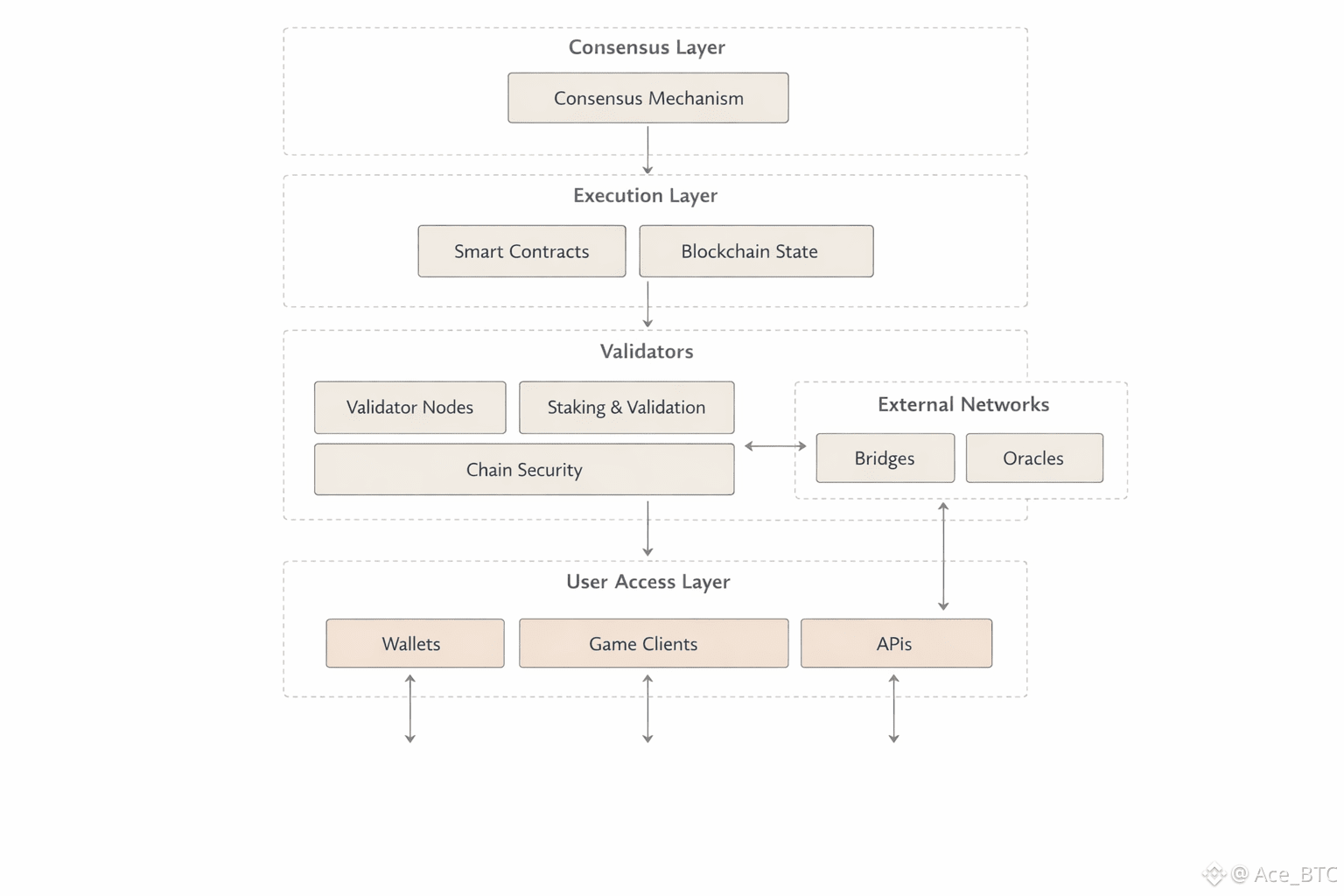
Real world use of Vanar feels uneventful in the best way. A player earns something and expects it to remain theirs. A digital identity carries forward without explanation. A branded experience feels coherent rather than transactional. I’m not thinking about systems in these moments. I’m thinking about whether the experience respects my time. That is where real adoption either survives or collapses. When expectations are met quietly trust forms without ceremony.
Growth around Vanar has been measured. We’re seeing live products real environments and expanding use across multiple consumer facing verticals. The VANRY token supports the network by aligning incentives rather than dominating attention. This is not explosive growth and that seems intentional. Systems meant to serve millions cannot afford to sprint ahead of their own stability. Slow progress here is not weakness. It is caution.
There are serious risks and pretending otherwise would be dishonest. Consumer platforms face relentless competition. Attention disappears quickly. Scaling exposes every architectural shortcut. Execution must remain consistent as usage grows. Early awareness matters because Vanar is not built for speculation cycles. It is built for endurance. If something goes wrong at scale the consequences are real. That weight hangs over every decision.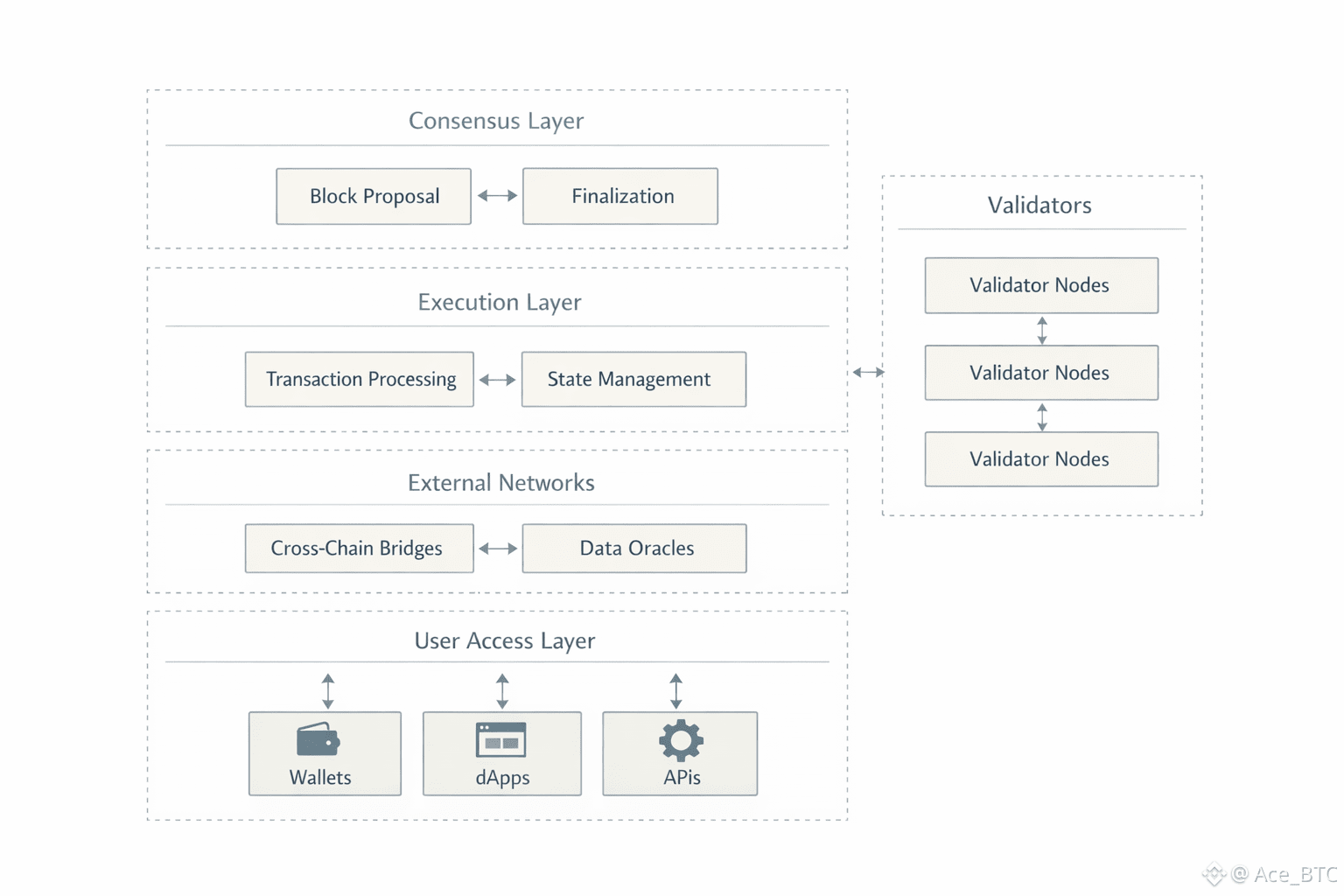
When I imagine the future of Vanar I do not imagine headlines. I imagine systems quietly supporting digital lives people take seriously. Games that last years. Worlds that remember you. Ownership that feels boring because it never fails. Web3 does not announce itself. It behaves responsibly. If Vanar succeeds it will not feel like innovation. It will feel like stability arriving where chaos once lived.
Most technology wants to be admired. Vanar feels like it wants to be trusted. And trust at scale is not earned by excitement. It is earned by surviving quietly when no one is paying attention.
