
Walrus began as a simple but profound question: if decentralization is about freedom and ownership, why are we still trusting centralized servers with our most important data? Videos, datasets, AI models, digital art, and other large files were quietly being held by companies we could not see and could not fully control. For the people who started Walrus, this was not acceptable. They did not begin with hype or marketing. They began with a deep desire to solve a real problem and to give developers and users a way to truly own their data without sacrificing reliability or speed. From the very first prototypes, the goal was clear: create a system for large-scale decentralized storage that works quietly, efficiently, and reliably for those who rely on it.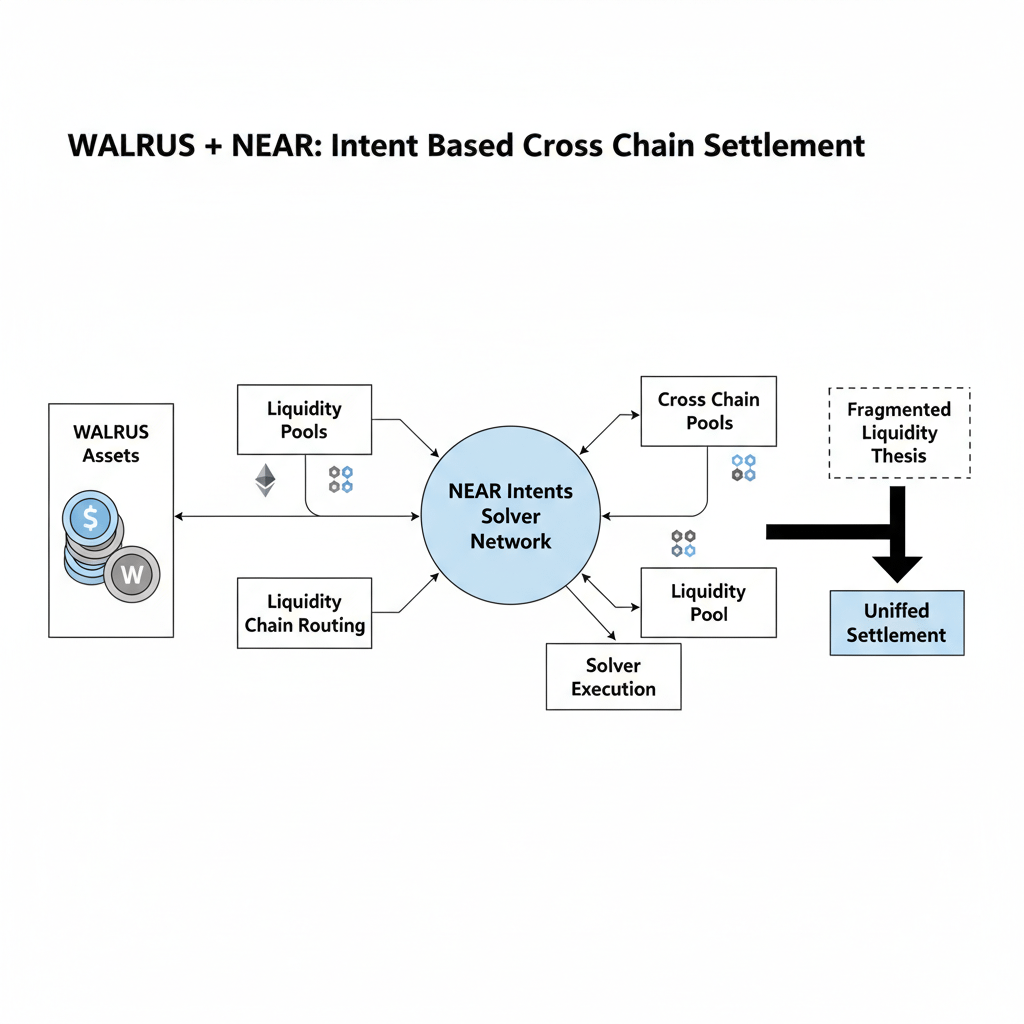
The core of Walrus is deceptively simple. When someone uploads a file, it is not stored in one location. Instead, it is broken into pieces and encoded using advanced mathematics called erasure coding. Each piece is distributed across many independent nodes so that no single node holds the entire file. Even if several nodes go offline the original data can still be reconstructed perfectly. This design is not only resilient but also cost-efficient. Instead of replicating entire files endlessly across multiple machines, Walrus relies on smart redundancy to maintain availability while keeping storage requirements and costs manageable. Meanwhile the blockchain layer, powered by Sui, acts as a control plane. It does not hold the data but keeps track of ownership and availability commitments. It ensures that operators who store data are accountable that payments are processed and that proofs of availability are verifiable and trustworthy. This separation between data storage and coordination allows the system to stay fast and responsive while remaining secure and decentralized.
The WAL token is the glue that holds the system together. When users pay for storage, they pay with WAL. These payments are structured to be distributed over the duration the data is kept online which aligns incentives for storage providers to maintain reliability over time. Operators who stake WAL signal their commitment and integrity. If they fail to maintain availability they face penalties, but if they perform well they receive rewards steadily over time. WAL holders also have a voice in governance. They help decide key parameters such as storage pricing redundancy ratios and reward schedules. This ensures that the system evolves thoughtfully rather than chaotically while aligning economic incentives with the real world needs of storage providers and users. The token model is designed for longevity. It is not optimized for speculation but for sustained participation and trust.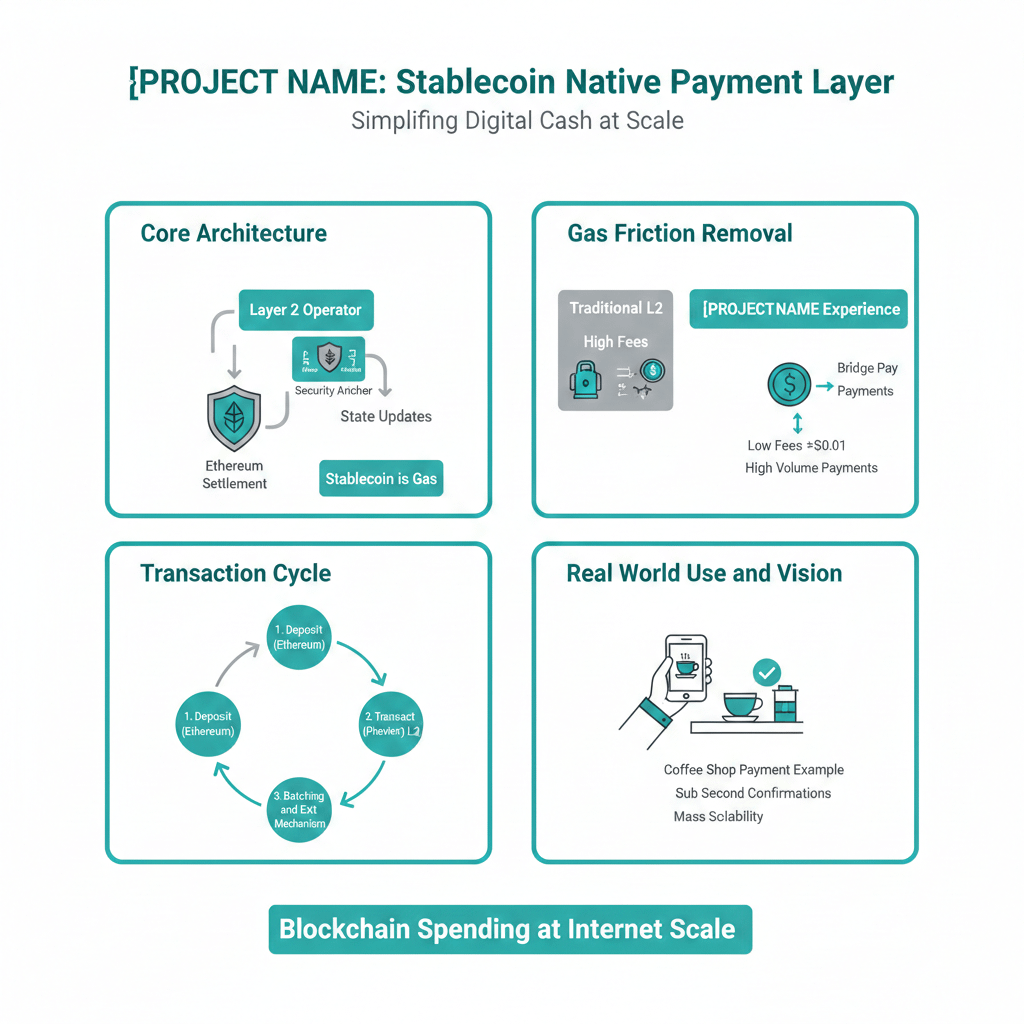
Success for Walrus does not come in headlines or social media attention. It comes quietly in data that remains accessible even when nodes fail. It comes when developers trust the system and continue to rely on it day after day. It comes when storage operators participate because the incentives feel fair and sustainable. Early usage has shown promising signals. AI projects digital art storage and decentralized applications have begun to rely on Walrus for hosting large datasets model weights and media files. These are practical real-world uses that indicate the network is not just functional in theory but meaningful in practice.
The risks of a project like this are real and cannot be ignored. Technical failures in encoding or reconstruction could lead to data loss. Node operators could fail to meet their obligations or act maliciously. Token volatility could disrupt incentives. Reliance on Sui as the coordination layer creates dependency risk. And regulatory uncertainties around digital data storage and token usage could introduce constraints. Walrus addresses these risks with transparency. Its code is open source audits and bug bounties are conducted. Test networks are run before large-scale deployment. Gradual rollouts and developer previews allow issues to be identified and corrected early. Risk is not eliminated but it is treated seriously with continuous attention.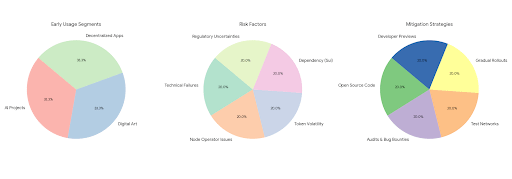
The vision behind Walrus goes beyond just storage. It is a vision where AI models can exist outside centralized cloud services where digital identity can be verified and preserved without a single point of control where creators can keep their work alive even if platforms fail. Walrus aims to create a foundational layer for a more open digital world where data is not only stored securely but can be programmed, shared and verified across decentralized networks. This vision is not about headlines. It is about quietly building trust and infrastructure that other applications can depend on.
Walrus is not a finished story. It is still being shaped by developers operators and the community. It is not flashy and it will not always be perfect. But it is human. It accepts imperfection plans for failure and rewards responsibility. In a world where trends rush forward and short-term gains often dominate, Walrus chooses patience and long-term reliability. And sometimes patience is exactly what makes a system trustworthy resilient and truly revolutionary.