
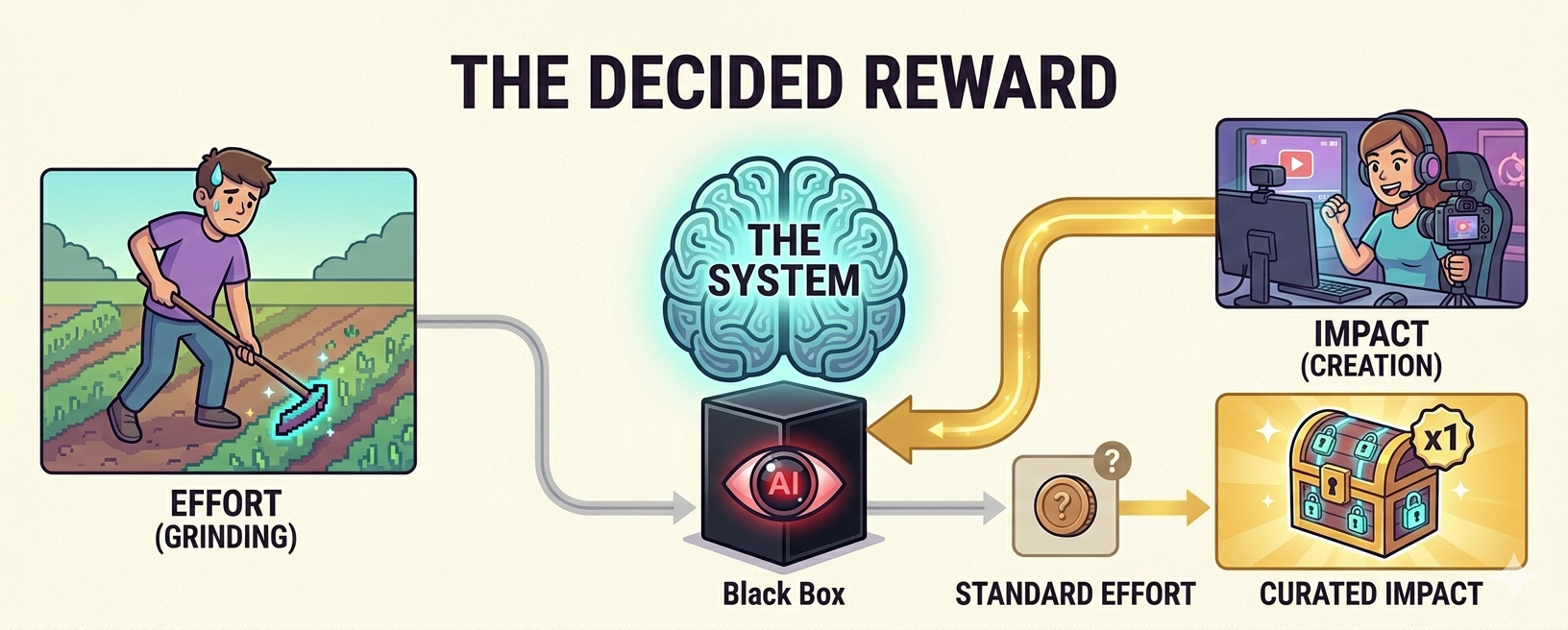


I wasn’t doing anything unusual.
Just a normal loop—harvest, move, check the Task Board, repeat.
But something small kept bothering me.
The rewards were coming in… smoothly. Almost too smoothly. No lag, no friction, no delay. At first, that should’ve felt like improvement. But instead, it felt like the outcome had already been calculated before I even finished the action.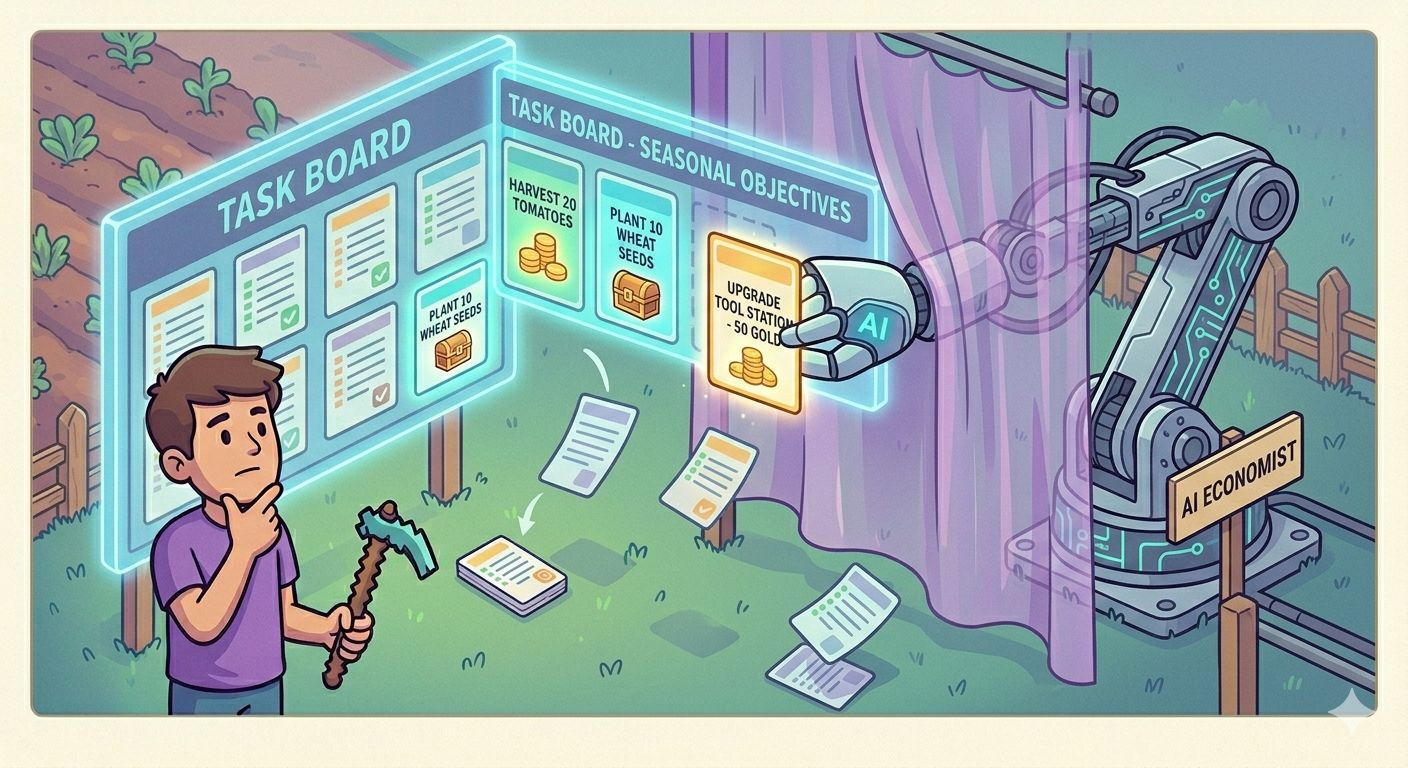
Like I wasn’t earning in real time.
I was just unlocking something that had already been assigned.
And that shifted how I started looking at everything.
When I joined a Union during the Bountyfall update, I thought it was just another layer of competition. Teams, coordination, maybe some shared rewards.
But after a few cycles, it didn’t feel competitive in the usual sense.
It felt… binding.
Because once you start using Yieldstones, you’re not just playing anymore. You’re committing resources into a structure that doesn’t immediately pay you back. You’re locking value in, without knowing exactly when—or if—it returns in the way you expect.
Which is strange for a system that used to feel so liquid.
Before, the loop was obvious. Earn $PIXEL, move it, sell it if needed. Clean, simple, almost mechanical.
Now it feels like the system is slowing that down on purpose.
Not blocking exits—but making them less attractive.
And if enough people start holding, locking, or redirecting their $PIXEL into Unions and Yieldstones, then something subtle happens.
The constant selling pressure that used to define the economy… starts thinning out.
Not because players were told to stop.
But because the system gave them a reason to stay.
Still, I can’t tell if that’s a player choice… or a guided outcome.
I noticed something similar outside the game itself.
I came across a simple guide someone made. Nothing complex—just explaining a mechanic I’d already used.
But the rewards they received for that?
Higher than what I’d earned grinding the same mechanic for hours.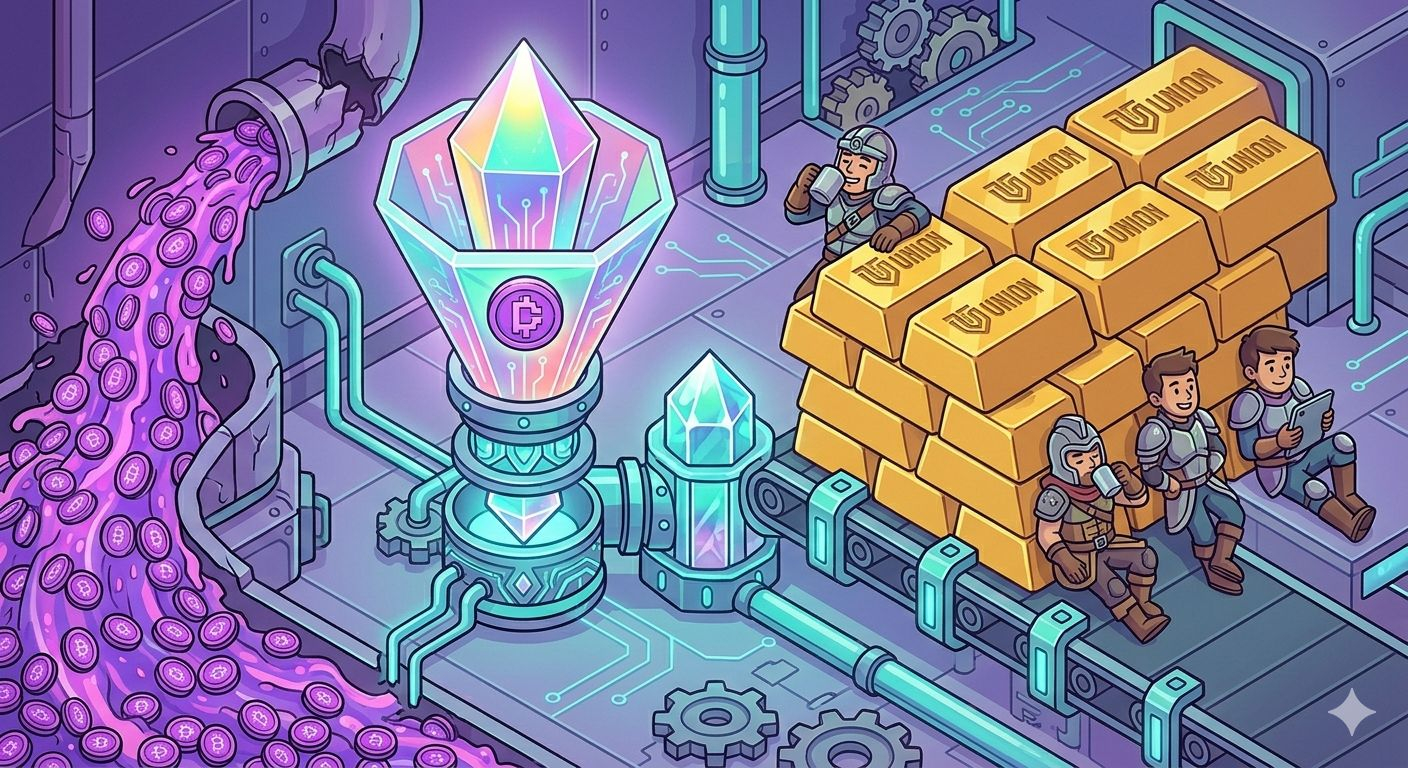
That didn’t feel unfair.
It felt… revealing.
Because suddenly, gameplay wasn’t the center anymore.
Contribution was.
And not just contribution inside the game—but contribution to the ecosystem around it.
Stacked doesn’t seem to separate “playing” and “supporting.” It blends them. A clip, a guide, a moment of insight—these things carry weight now.
Maybe even more than repetition.
Which makes me question something basic.
If two players spend the same amount of time—but one creates visibility while the other just completes tasks—are they really playing the same game?
Or is one of them closer to what the system actually values?
Because if rewards scale with impact, not effort… then effort alone becomes insufficient.
And that changes the definition of progress.
At some point, I stopped focusing on what I was doing… and started noticing how often I was being rewarded.
Not the amount. The frequency.
It felt constant.
Like the system was always active, always calculating, always distributing.
And that’s when the infrastructure behind it started to matter more.
The shift of Ronin toward an Ethereum Layer-2 didn’t feel important at first. Just another technical upgrade. But in practice, it changes something fundamental.
It removes hesitation.
Transactions don’t feel like events anymore—they feel invisible. Background processes. Continuous flow.
Which means rewards can happen at scale. Not occasionally, but persistently.
And if the system is designed to handle massive volumes of micro-rewards, then it doesn’t need to wait anymore.
It can respond instantly.
But again, speed isn’t the interesting part.
Selection is.
Because even if rewards can be distributed infinitely fast, they still need to be assigned somewhere.
And I keep coming back to that.
Who—or what—is deciding that?
The more I played, the more I realized I hadn’t actually set up anything complicated.
No wallet steps. No onboarding friction. No switching between apps.
It all just… worked.
Which is where Silent Accounts quietly reshape the experience.
You don’t see them. You don’t manage them. But they exist somewhere beneath the surface, tracking everything.
And that creates a strange effect.
You’re interacting with a system that feels simple on the outside—but underneath, it’s layered with decisions you don’t directly control.
There’s an AI economist involved. Watching behavior. Adjusting outputs. Redistributing value.
And I don’t have to interact with it for it to affect me.
That’s the part that feels different.
Because in most systems, you act and then you receive.
Here, it feels like the system is observing first… and then deciding how your actions should be valued.
Even the off-ramps—gift cards, fiat options—suggest something broader.
This isn’t just a closed loop anymore.
It’s trying to connect in-game behavior with real-world outcomes.
Which means the system has to interpret value across completely different contexts.
Not just gameplay efficiency—but usefulness, relevance, maybe even influence.
And I’m not sure how transparent that interpretation really is.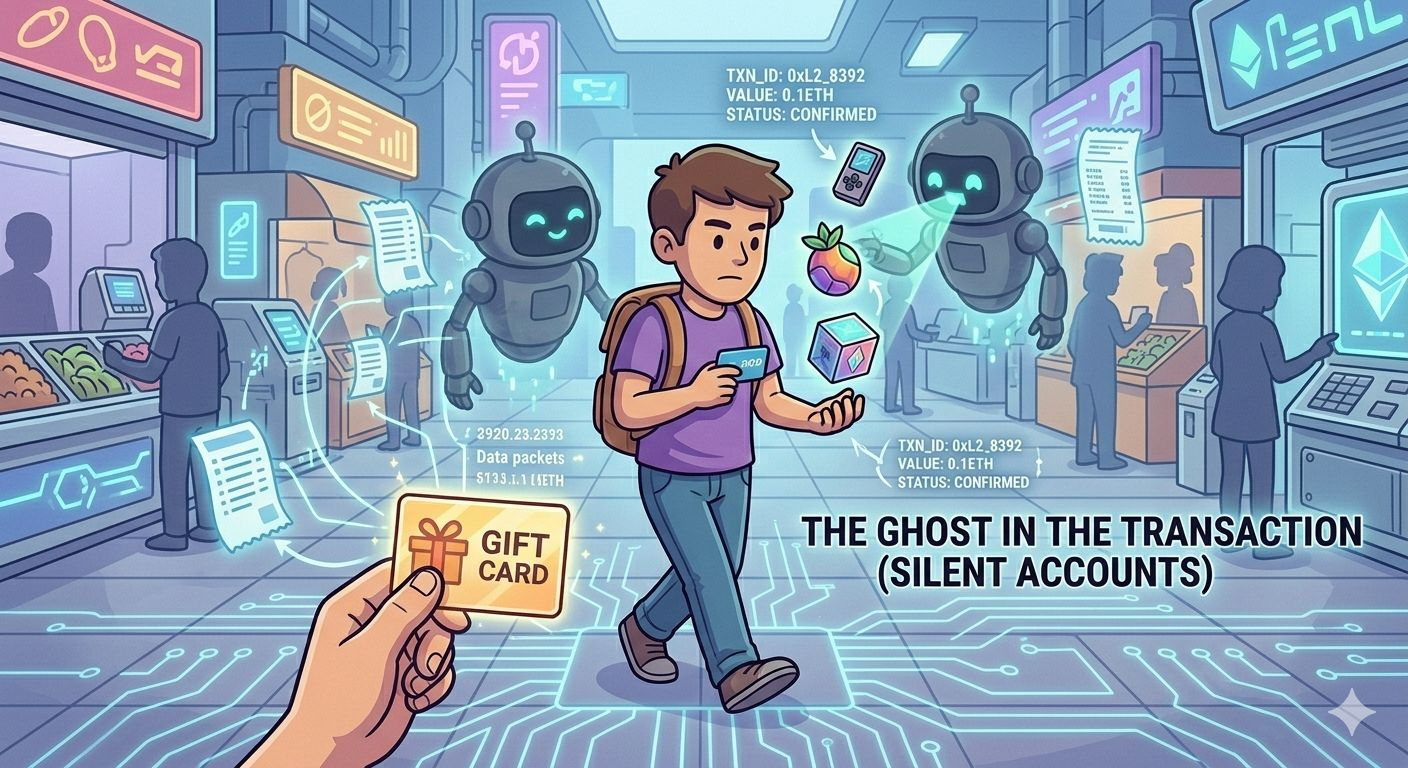
Then there’s the part most people moved past quickly.
The shift from $BERRY to Coins.
At the time, it seemed like a standard fix. Remove an inflationary token, replace it with something more stable.
But the more I think about it, the less it feels like a simple adjustment.
$BERRY was predictable in one way—it inflated constantly. Around 2% daily. Which meant the system was always under pressure, always leaking value.
Coins don’t behave like that.
They’re controlled. Adjustable. Not exposed to external selling pressure in the same way.
Which means the system regained something it didn’t have before.
Control over its own economy.
And that changes everything.
Because once the economy is stable, the system can start focusing on distribution.
Not just how much is created—but where it goes.
And suddenly, all these other layers—Unions, Yieldstones, Stacked rewards, content contributions—they start to look connected.
Not like separate features.
But like filters.
Ways to decide who gets what.
So now, when I go back to something as simple as the Task Board, it doesn’t feel random anymore.
It feels curated.
Some tasks appear. Some never do.
Some actions lead to rewards quickly. Others feel invisible, no matter how often they’re repeated.
And I can’t tell if I’m discovering opportunities…
or just interacting with the ones the system has already approved.
Which makes the entire experience feel slightly different.
Less like a game of choice.
More like a process of alignment.
And I keep wondering—
If the system is already deciding what gets rewarded, what gets shown, and what gets amplified…
then when I think I’m optimizing my strategy,
am I actually thinking for myself…
or just learning how to behave in a way the system has already decided is valuable?