
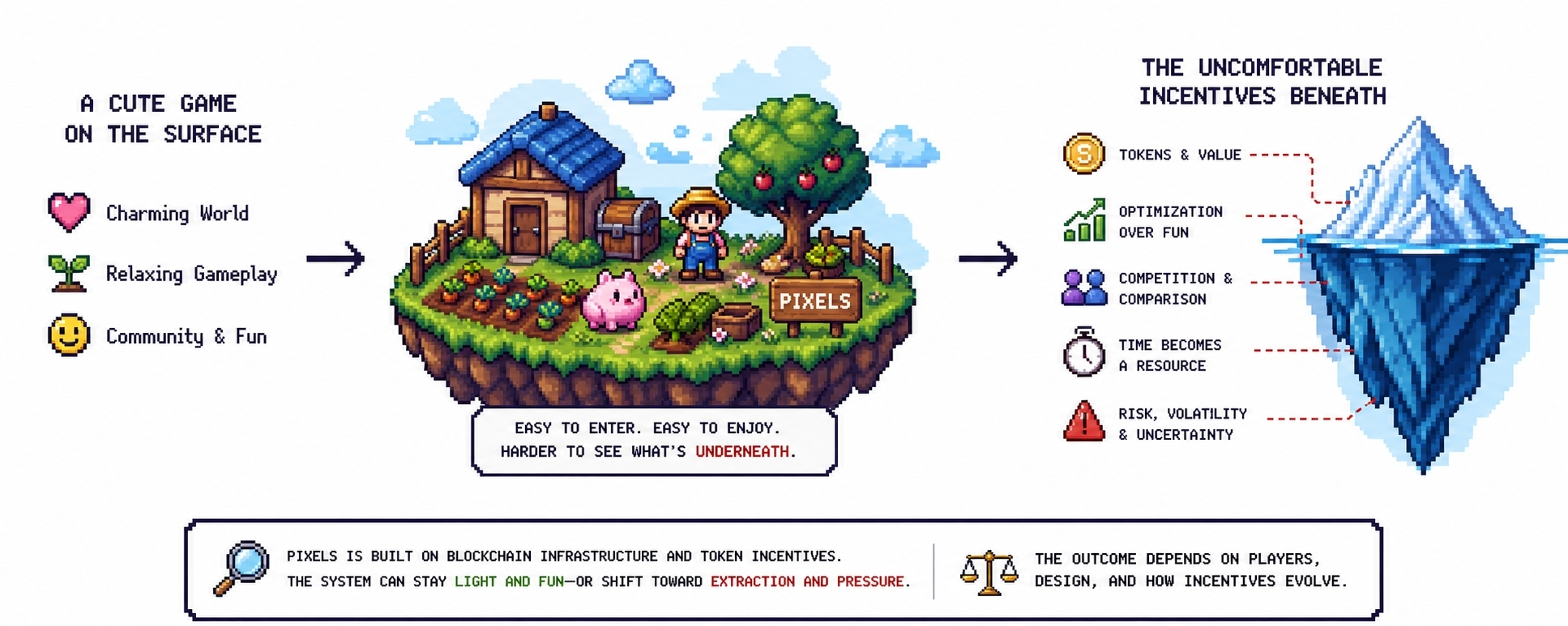

Pixels is one I keep coming back to, not because it’s loud or especially ambitious on the surface, but because it feels like it’s trying to solve something that crypto hasn’t really figured out yet. It looks simple, almost intentionally so — a soft, pixelated farming world where nothing seems urgent. But I’ve been around long enough to know that simplicity in crypto is often just the outer layer of something more complicated underneath.
What draws my attention isn’t really the game itself, but the way people begin to behave once they spend time inside it. At first, it feels like any other casual game. You click around, you follow small loops, you don’t think too much about it. There’s a kind of quiet charm to it. But slowly, almost without noticing, the questions start to change. You stop asking what’s fun and start asking what’s efficient.
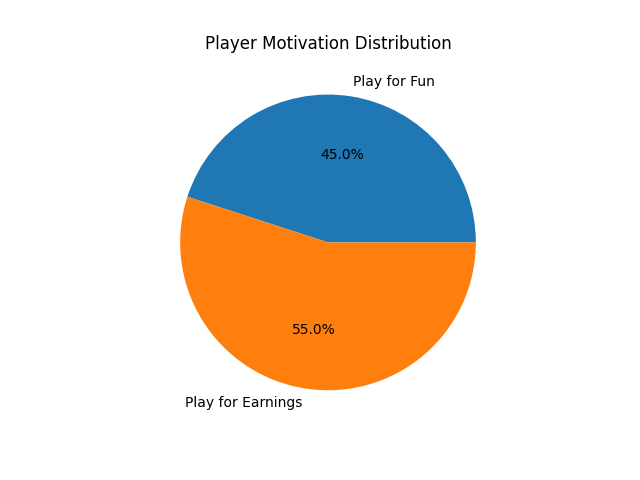
That shift always feels small when it begins. It doesn’t arrive as a big turning point. It just creeps in through repetition. You notice that some actions seem to matter more than others. You start to adjust. And then, over time, the entire experience bends around that adjustment.
I’ve seen this pattern play out before, especially in Axie Infinity, where the idea of playing and earning slowly became less about enjoyment and more about necessity for some people. At the time, it felt like something new was happening. Looking back, it feels more like a system revealing its natural shape once real incentives took hold.
Pixels feels different in tone, but not entirely different in structure. It’s quieter, more careful. It doesn’t lean as heavily on the promise of earnings, at least not openly. But the underlying reality is still there — time inside the game has value, and once that becomes clear, people start treating it differently.
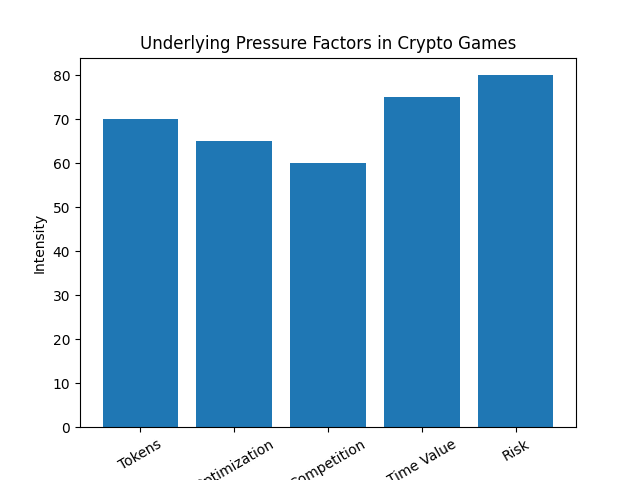
I keep noticing how quickly players begin to optimize, even when the game doesn’t explicitly push them to. It’s almost automatic. If there’s a better way to do something, someone will find it. And once that information spreads, it becomes the new normal. What started as exploration becomes routine. What felt open becomes more defined.
It’s not necessarily a flaw. It’s just what happens when systems are exposed to incentives.
The part I find myself thinking about most is how fragile that balance is. Pixels still feels like a game right now, but there’s a thin line between something that feels playful and something that feels transactional. And in crypto, that line tends to move over time.
The more people begin to see the system as something to extract value from, the more the tone shifts. Not all at once, but gradually. Conversations change. Strategies become more important than experiences. People start thinking about timing — when to enter, when to leave, how to not be the one left behind.
It’s not even driven by cynicism. It’s just a kind of quiet rationality. If something has value, people will treat it that way.
And that’s where things usually get complicated. Because a game can survive on engagement and enjoyment, but a crypto system needs something more. It needs belief. Not just belief in the present, but belief that the system will continue to make sense in the future. That there will be enough activity, enough interest, enough movement to sustain itself.
Once that belief starts to weaken, even slightly, behavior adjusts again. People become more cautious. They extract sooner. They participate differently. And the system, in turn, starts to feel different.
I don’t think Pixels is anywhere near a breaking point. If anything, it feels like it’s still in that early phase where things are light and relatively stable. But I’ve learned that these phases don’t last forever. Crypto systems have a way of revealing their pressure points slowly, over time, through the behavior of the people inside them.
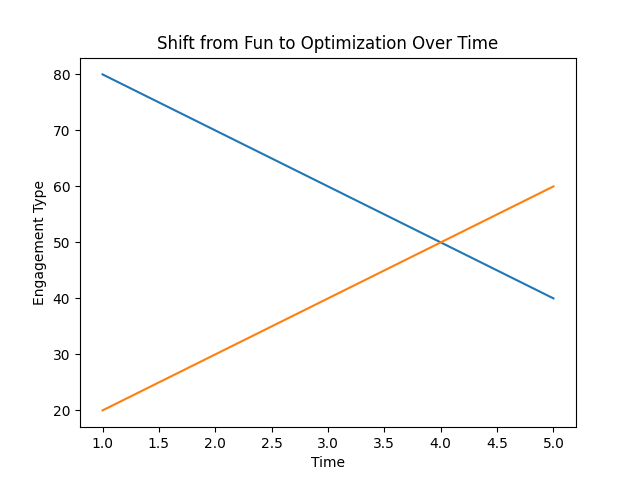
What I’m really watching isn’t whether Pixels succeeds or fails in the usual sense. It’s whether it can hold onto its identity once those pressures fully set in. Whether it can remain something people return to because they want to be there, not just because it makes sense to be there.
Right now, it still leans toward the former. It still feels soft, almost deliberately so.
But I’ve seen how quickly that softness can fade once the underlying incentives start doing what they always do.