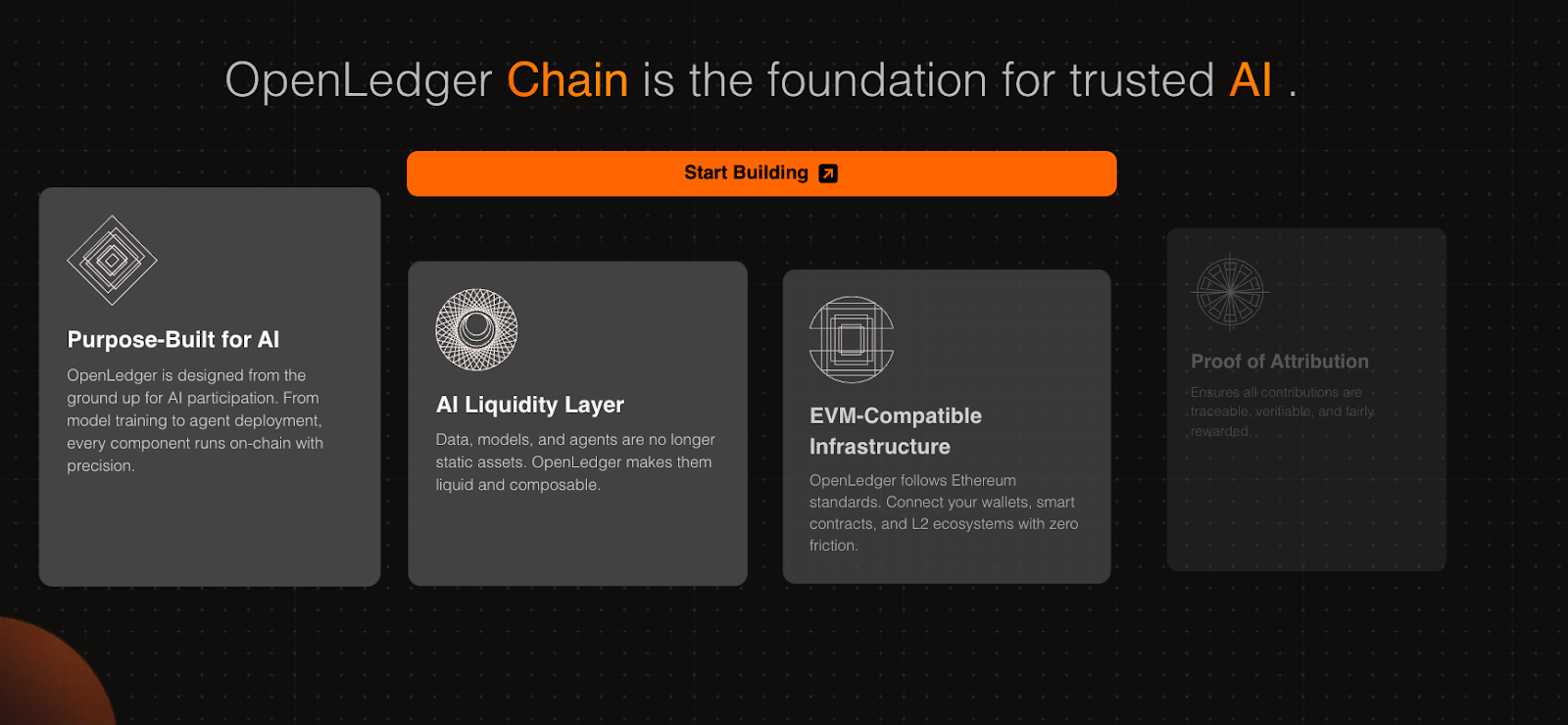


Yeah you know that thee AI narrtive in crypto feels very diffeent for everyone and as like very different to me now compared to a year ago. Back then almost every project was casually attaching “AI” to its name because the market was euphoric and liquidity was flowing into anything remotely connected to the trend. Most of it felt shallow. Loud marketing weak infrastructure, no real direction.
Lately though I have noticed the conversation getting more serious.
People are starting to realize that AI isn’t just anotheer temporary sector rotation. It’s becoming foundational technology. And once you accept that, bigger questions start showing up. Who owns the data feeding these models? Who gets rewarded when AI systems generate value? Can inteligence itself become a digital economy instead of a centralized product owned by a few companies?
That’s honestly why @OpenLedger caught my attention.
At first I assumed it was another AI infrastructure chain trying to ride momentum. But the more I looked at the concept, the more I felt the project was targeting a deeper issue inside the AI industry itself ownership and economic coordination.
Right now the AI economy is heavily centralized. A small group of companies controls the models, the training infrastructure, the distribution, and most importantly, the data pipelines. Meanwhile, millions of users contribute value every single day through interactions, content, datasets, and behavioral inputs without really participating in the upside.
That imbalance is becoming impossible to ignore.
OpenLedger is trying to build what it calls an AI-native blockchain. In simple terms, the chain is designed specifically for AI participation instead of adapting AI onto an existing network later. That distinction matters more than people think. Most traditional blockchains were built around finance first. OpenLedger seems to be approaching the architecture from the perspective of AI systems, AI agents, datasets, and attribution layers.
And I tel you that whhat stands out to me is the focus on monetizing data itself.
In crypto most people still underestimate how valuable data has become in this new era. AI models are only as good as the information they’re trained on. But right now, data is fragmented, locked away, and usually monetized by centralized players. OpenLedger’s idea is that datasets should function more like liquid digital assets where contributors can actualy receive attribution and economic participation.
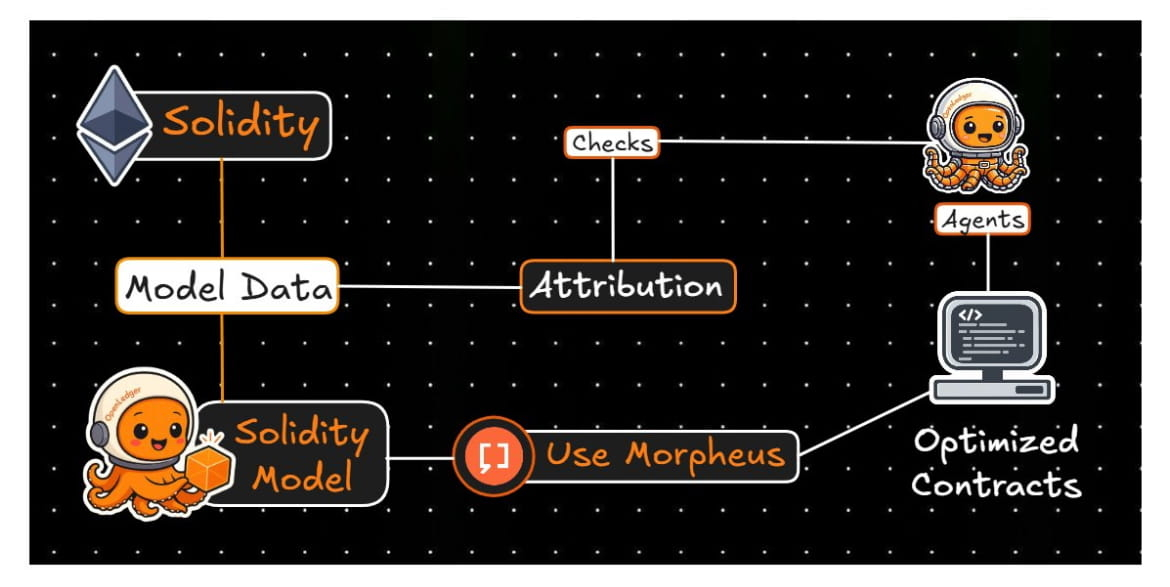
I think that’s a smart narrative because the current AI system has serious transparency problems.
Nobody really knows what datasets influence major models. Creators are worried about copyright issues. Enterprises worry about sensitive information entering training systems. Regulators are slowly stepping into the conversation too. There’s growing pressure for AI systems to become more auditable instead of operating like black boxes.
OpenLedger seems to be building around that exact pressure point.
The project introduces the idea of “Proof of Attribution,” which basically attempts to track contribution and influence across AI systems. If a dataset or contributor helps create value inside the network, the system aims to record and recognize that contribution on-chain. I actually think this could become one of the most important themes in decentralized AI moving forward.
Not because it sounds futuristic because economically it makes sense.
The internet created enormous value from user-generated content, but most users never captured meaningful ownership from it. AI risks repeating that same cycle at an even larger scale. OpenLedger appears to be betting that future AI ecosystems will demand transparent attribution and programmable incentives rather than invisible extraction.
Another thing I have noticed recently is how quickly AI agents are becoming part of crypto discussions. A few months ago, people mostly talked about AI chatbots. Now the market is talking about autonomous agents interacting with protocols, executing transactions, managing workflows, and coordinating activity without constant human input.
OpenLedger feels positioned directly inside that trend.
The infrastructure is designed so agents, models, and applications can interact on-chain while remaining compatible with Ethereum-style ecosystems. That compatibility matters because developers don’t want isolated ecosystems anymore. They want systems that connect smoothly with wallets, smart contracts, and existing liquidity environments.
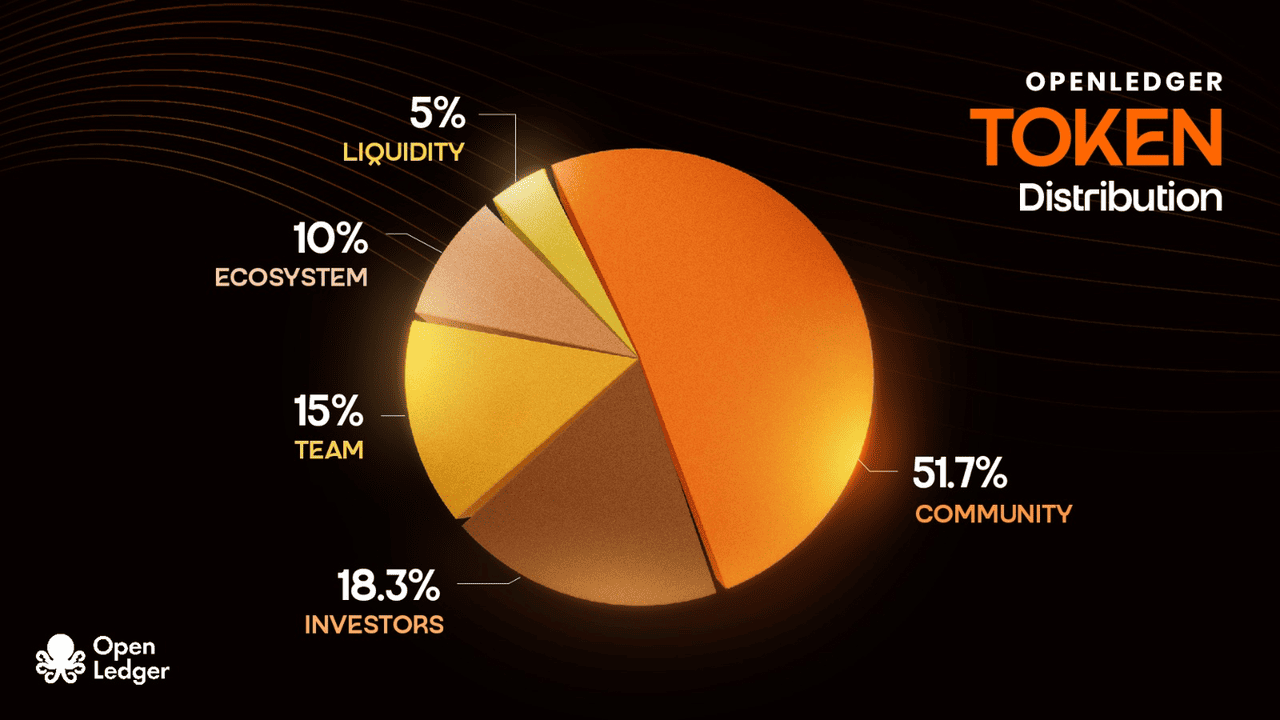
From what I’m seeing, OpenLedger is trying to position itself less as “just another blockchain” and more as infrastructure for decentralized intelligence economies.
That’s ambitious. Maybe extremely ambitious.
And honestly, there are risks here that people shouldn’t ignore.
AI infrastructure is incredibly difficult to scale. Running decentralized systems efficiently while handling heavy AI workloads is not easy at all. There’s also intense competition. Multiple projects are targeting decentralized AI, compute layers, data marketplaces, and autonomous agent ecosystems simultaneously. Narrative strength alone won’t be enough long term.
Execution will matter more than branding.
I also think adoption is the real test. Building impressive architecture is one thing. Convincing developers, enterprises, and communities to actively use that infrastructure is another challenge entirely. Especially when centralized AI platforms already dominate attention and resources.
Still, what keeps OpenLedger interesting to me is the timing of the narrative itself.
I think the market is slowly moving away from pure speculation around AI tokens and toward infrastructure questions. People want to understand how AI economies will actually function. Who captures value? Who owns intelligence? How do you verify contribution? How do you prevent centralized control from becoming even stronger?
Those questions feel bigger than crypto cycles honestly.
One thing I personally find underrated is the idea that blockchain might become less important as a financial tool and more important as a trust layer for AI systems. That shift could change how people think about Web3 entirely. Instead of only focusing on transactions and speculation, networks like OpenLedger are exploring whether blockchain can provide accountability, attribution, and economic coordination for machine intelligence.
That’s a much more meaingful long-term narrative in my opinion.
I’m not looking at OpenLedger as a guaranteed winner. It still has a lot to prove. But I do think it’s attacking a real structural problem instead of chasing temporary hype. And in this market, projectss solving real coordination issues usualy age better than projects surviing purely on attention.
That’s what makes OpenLedger worth watching for me right now.