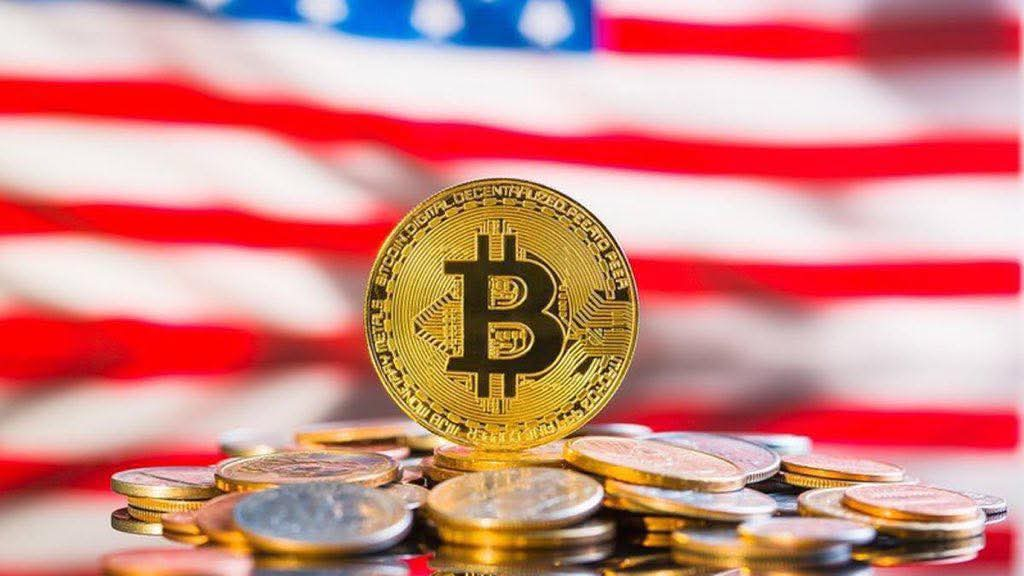
Bitcoin jest pierwszą i najbardziej znaną kryptowalutą — czysto cyfrową, peer-to-peer formą pieniędzy, która działa bez żadnej centralnej władzy. Oto jak to działa i dlaczego to ma znaczenie.
Zdecentralizowana waluta cyfrowa
Bitcoin został wprowadzony w 2008 roku przez anonimową osobę (lub grupę) posługującą się pseudonimem Satoshi Nakamoto. W przeciwieństwie do walut emitowanych przez rządy („fiat”), nie jest drukowany ani kontrolowany przez żaden bank ani rząd. Zamiast tego żyje całkowicie w rozproszonej sieci komputerów na całym świecie.
Technologia blockchain
Wszystkie transakcje Bitcoin są grupowane w „bloki”, które są kryptograficznie powiązane w publicznej księdze zwanej blockchain. Ta księga jest replikowana na tysiącach węzłów (komputerów), co sprawia, że praktycznie niemożliwe jest, aby jakakolwiek pojedyncza strona mogła zmienić historię transakcji lub podrobić monety.
Wydobycie i konsensus (dowód pracy)
Nowe bitcoiny wchodzą do obiegu poprzez proces zwany wydobyciem. Górnicy uruchamiają specjalistyczny sprzęt, aby rozwiązywać złożone zagadki matematyczne; pierwszy, który znajdzie ważne rozwiązanie, dodaje następny blok do łańcucha i otrzymuje nagrodę w postaci bitcoinów. Ten mechanizm zarówno zabezpiecza sieć, jak i tworzy nowe monety w przewidywalnym, malejącym tempie.
Stała podaż i rzadkość
Protokół Bitcoin ściśle ogranicza całkowitą liczbę bitcoinów do 21 milionów. Na koniec 2024 roku wydobyto około 19,9 miliona; pozostałe monety będą odblokowywane stopniowo, a ostatni bitcoin oczekiwany jest około roku 2140. Ta rzadkość jest kluczowym czynnikiem napędzającym narrację o „cyfrowym złocie”.
Podzielność
Każdy bitcoin można podzielić na osiem miejsc po przecinku. Najmniejsza jednostka, „satoshi”, równa się 0.00000001 BTC—co czyni go praktycznym zarówno do dużych, jak i małych transakcji.
Zastosowania
Środek wymiany: Możesz kupować towary i usługi od sprzedawców, którzy akceptują bitcoiny na całym świecie.
Przechowywanie wartości: Wielu inwestorów traktuje to jako zabezpieczenie przed inflacją lub deprecjacją waluty.
Aktywo spekulacyjne: Jego cena była bardzo zmienna—osiągając ponad $100,000 za BTC w grudniu 2024—przyciągając traderów szukających dużych zysków.
Ryzyka i wyzwania
Zmienność: Wahania cen o 10–20% w ciągu jednego dnia nie są rzadkością.
Regulacje: Rządy wciąż ustalają, jak opodatkować, regulować lub ograniczać kryptowaluty.
Bezpieczeństwo: Chociaż protokół Bitcoin jest bezpieczny, użytkownicy muszą chronić klucze prywatne; włamania do giełd i oszustwa pozostają zagrożeniem.
#MarketRebound #BTC100kNext? #StrategyBTCPurchase