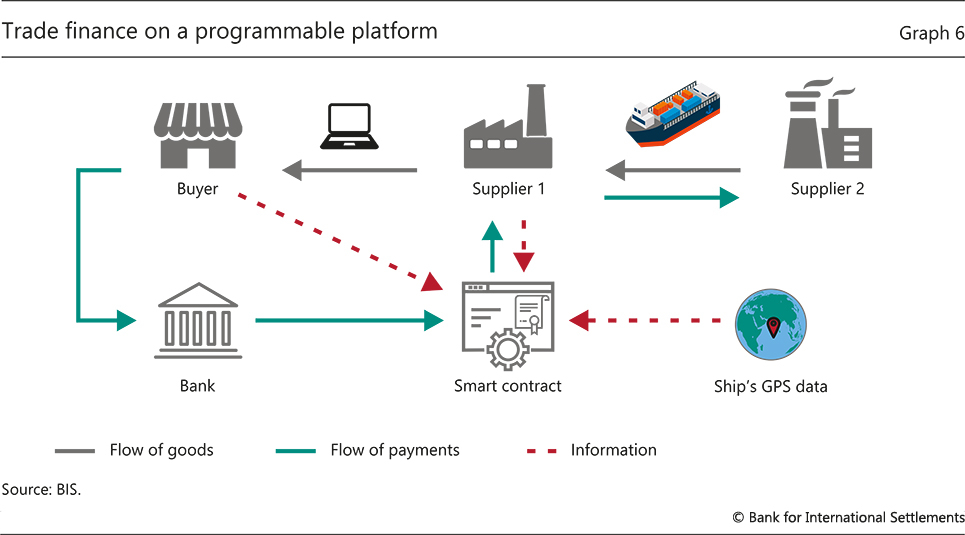
What I see is that the real problem with large commodity networks is often on the payment side. The goods move quickly, but when it comes to moving value, there are many layers of transactions and additional costs in between. This is where is interesting to me because it is not a payment company itself, but rather a fast settlement layer that can be used to smooth out large volume transactions.
The biggest thing for me is speed and finality. When transactions are confirmed quickly, capital is not tied up for long. In many cases, companies have to cover risks in advance or rely on third parties, which adds additional costs. FOGO's fast block time can reduce this waiting time, making the flow of funds across the network feel a little more fluid.
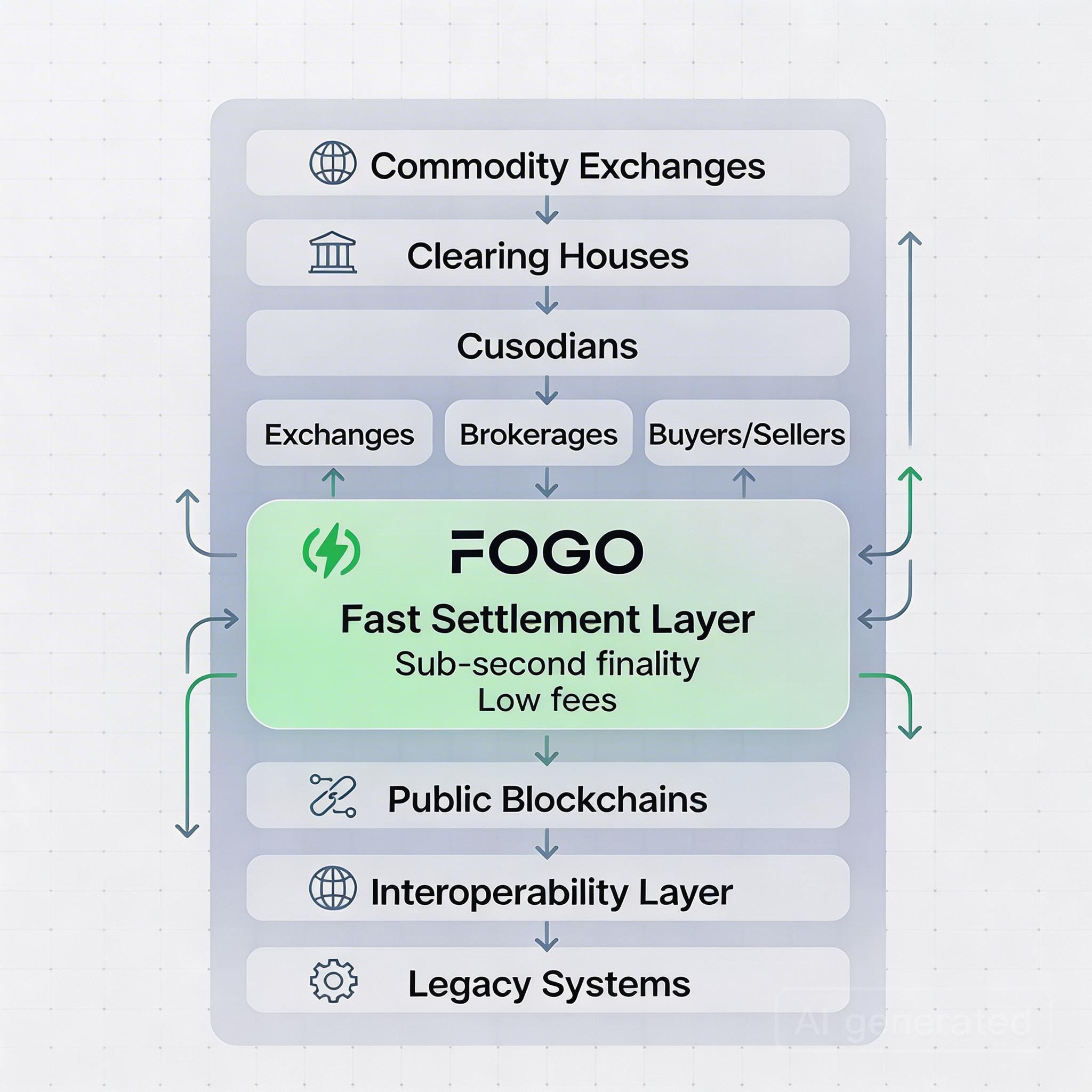
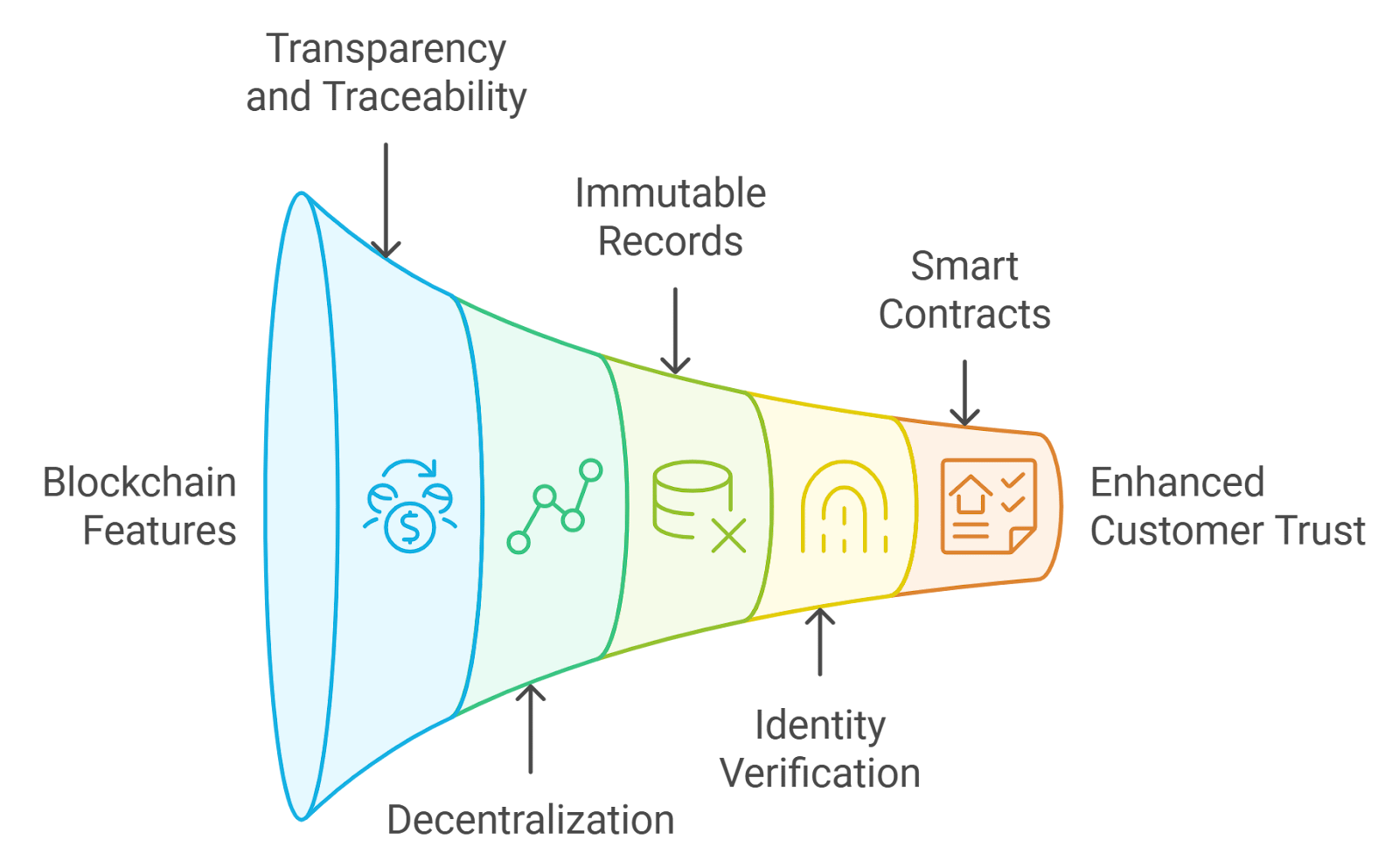
Another thing I notice is transparency. Commodity trading involves multiple parties and payment data has to be reconciled repeatedly. With on-chain settlement, everyone can track transactions from the same source. This reduces manual reconciliation, which can help reduce operational costs in the long run.
In the case of cross-border payments, I see that the big cost is often not in the transfer layer, but in the conversion and off-ramp. FOGO can speed up the transfer part here, but the final cost still depends on exchange liquidity and regional rules. So I see it as a strong infrastructure layer rather than a full solution.
Ultimately, the real value to me is not just low fees. It's a system where large networks can move value faster, operate with fewer delays, and worry less about payment logistics. If this speed and predictability is put into practice, $$FOGO ould play a significant role in reducing transaction costs on large volume commodity networks.