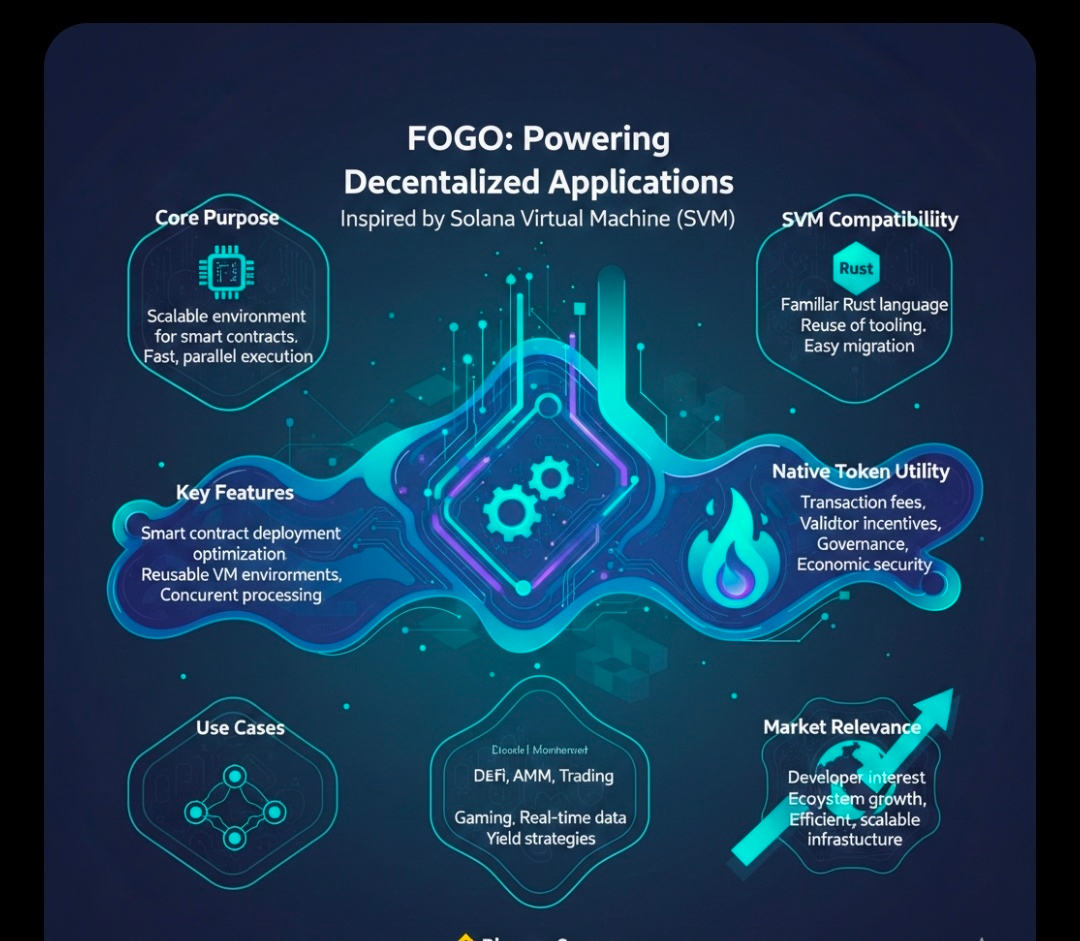
@Fogo Official Fogo to kryptowaluta o wysokiej wydajności, zaprojektowana do zasilania zdecentralizowanych aplikacji poprzez architekturę wirtualnej maszyny inspirowaną Solana Virtual Machine (SVM). Ma na celu zapewnienie skalowalnego środowiska dla wdrażania inteligentnych kontraktów oraz usług natywnych dla blockchain, jednocześnie zachowując zgodność z istniejącymi narzędziami SVM i standardami programowania. Głównym celem Fogo jest wspieranie szybkiej, równoległej realizacji inteligentnych kontraktów oraz redukcja tarć w rozwoju dla budowniczych migrujących lub uruchamiających aplikacje.
@Fogo Official Fogo działa w ekosystemie blockchain, który opiera się na zasadach równoległego przetwarzania transakcji i efektywnego zarządzania zasobami. Dzięki ponownemu wykorzystaniu koncepcji projektowych SVM, sieć umożliwia deweloperom wdrażanie kontraktów przy użyciu znanych języków, takich jak Rust, z naciskiem na kompatybilność i ponowne wykorzystanie narzędzi. Ułatwia to zespołom programistycznym budowanie i skalowanie aplikacji bez rozbudowanych przeróbek czy uczenia się nowych frameworków. Skupienie ekosystemu na wydajności wykonania stawia go jako realną opcję dla protokołów finansów zdecentralizowanych, zautomatyzowanych animatorów rynku, systemów handlu on-chain oraz aplikacji wrażliwych na wydajność, takich jak gry i przetwarzanie danych w czasie rzeczywistym.
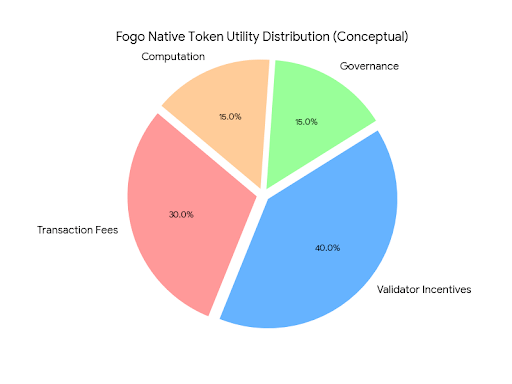
Rodzimy token Fogo pełni kilka ról w ramach sieci. Jest używany do opłacania opłat transakcyjnych i obliczeń, do motywowania walidatorów, którzy zabezpieczają protokół, oraz do wspierania procesów zarządzania, które wpływają na priorytety rozwoju i aktualizacje. Użyteczność tokena jest zatem ściśle związana z uczestnictwem w sieci i ekonomicznym bezpieczeństwem łańcucha. Przykłady zastosowań w rzeczywistym świecie obejmują ułatwianie zdecentralizowanych wymian, stabilizację pul płynności, zasilanie strategii zysku oraz wspieranie wschodzących zdecentralizowanych aplikacji, które wymagają przewidywalnej wydajności.
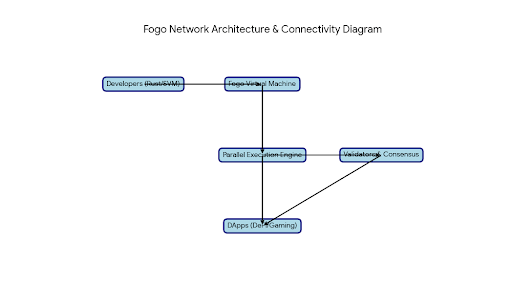
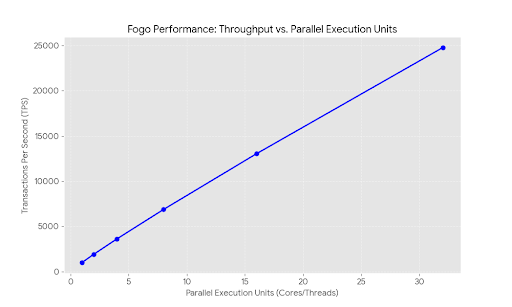
Unikalne cechy Fogo obejmują skupienie na optymalizacji cyklu życia wdrażania inteligentnych kontraktów oraz ponowne wykorzystanie środowisk maszyn wirtualnych w celu zwiększenia skalowalności. Te wybory projektowe mają na celu umożliwienie równoległego przetwarzania transakcji przy jednoczesnym utrzymaniu izolacji między stanami kontraktów, co może poprawić przepustowość bez kompromisów w zakresie bezpieczeństwa. Rozważania dotyczące bezpieczeństwa podkreślają deterministyczne wykonanie i integralność konsensusu, z dokładnym inżynierią wokół wspólnych komponentów uruchamiania w celu zminimalizowania potencjalnych wektorów ataku.
Relewancja rynkowa i adopcja Fogo zależą od zainteresowania deweloperów, wzrostu ekosystemu oraz integracji z zdecentralizowanymi narzędziami i usługami. Użytkownicy i inwestorzy dostrzegają wartość w jego praktycznych zaletach wydajnościowych, przyjaznej architekturze dla deweloperów oraz zgodności z ustalonymi standardami maszyn wirtualnych. Zamiast polegać na spekulacyjnych twierdzeniach, atrakcyjność Fogo tkwi w jego potencjale do dostarczenia wydajnej, skalowalnej infrastruktury dla rosnącego zakresu zdecentralizowanych aplikacji.