
The Resilient Comeback of LUNC and LUNA: How Terra Classic and Terra 2.0 Are Positioning for Success in 2026 and Beyond
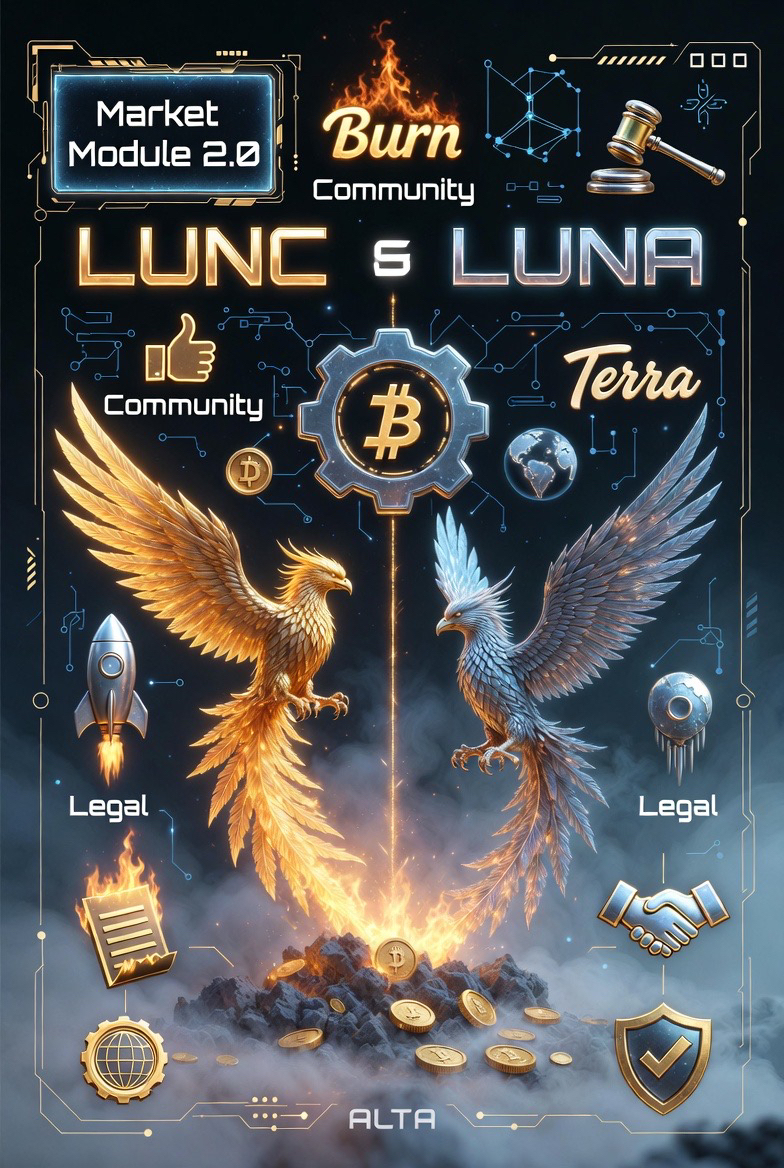
The Terra ecosystem remains one of cryptocurrency’s most dramatic stories. In May 2022, the original Terra (LUNA) and its algorithmic stablecoin UST collapsed in a $40+ billion wipeout, wiping out trillions in market value and shaking confidence across the industry. What followed was a hard fork that split the project into two parallel chains: Terra Classic (LUNC) — the original community-run chain — and Terra 2.0 (LUNA)**, the rebuilt version launched without an algorithmic stablecoin.
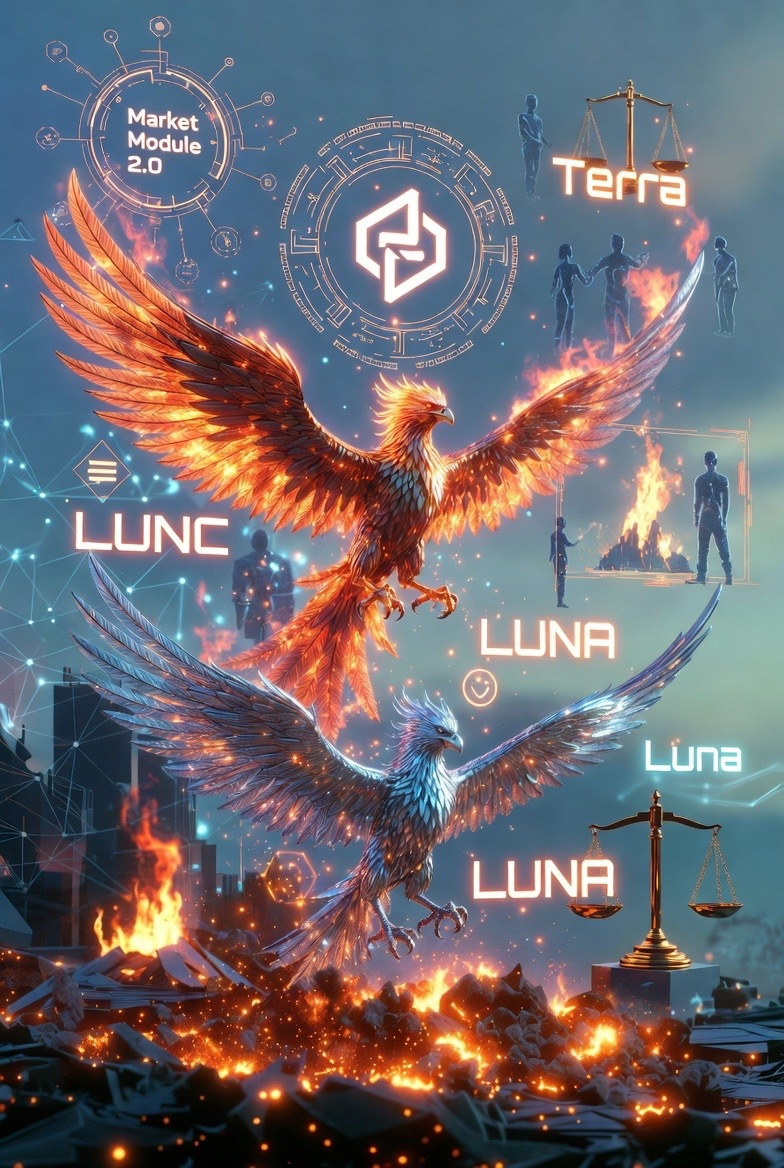
Four years later, in February 2026, both tokens are trading at fractions of their former highs (LUNC around $0.000035 and LUNA near $0.060), but the community has refused to let the projects die. Instead, they are quietly building mechanisms for long-term recovery. Here’s how LUNC and LUNA are working toward a return to success.
LUNC (Terra Classic): The Power of Scarcity and Community Governance
LUNC is the “phoenix” token — the original chain that survived the crash and is now fully community-owned with no central foundation controlling it. Its biggest weapon is the ongoing token burn mechanism.
- A 0.5% tax on every on-chain transaction automatically burns LUNC.
- Major exchanges like Binance regularly burn fees collected from LUNC trading pairs (Binance alone burned over 5.3 billion LUNC in a single transaction on January 1, 2026).
- Community dashboards (lunc.tech, luncmetrics.com) show more than 440 billion LUNC already destroyed, reducing the massive 5.46 trillion circulating supply.
Recent developments are adding fuel:
- In early 2026, the bankruptcy administrator of Terraform Labs filed a high-profile lawsuit against trading giant Jane Street, accusing the firm of insider trading and front-running that allegedly accelerated the 2022 collapse. The renewed media spotlight has brought fresh attention to the entire Terra story.
- Governance proposals are active: upgrades like Market Module 2.0 (currently in stress testing for a potential February–March 2026 mainnet launch), improved IBC interoperability, and discussions around partial collateralization or treasury programs to help stabilize USTC (the old stablecoin, now trading as a volatile asset).
- Over 103 decentralized applications, tools, and infrastructure projects are now live on the chain, supported by volunteer developers and validators.
Analysts’ 2026 price targets for LUNC range from conservative estimates around $0.00004–$0.000065 to more optimistic scenarios reaching $0.00015–$0.00051 if burn rates accelerate and broader market conditions improve. The path to higher prices is clear: sustained burns create genuine scarcity, while successful upgrades and any positive legal outcomes (or recovered funds) could drive adoption and demand.
LUNA (Terra 2.0): Rebuilding a Modern, Stable Ecosystem
LUNA represents the “clean slate” approach. Launched in May 2022 via community vote, it has no algorithmic stablecoin and focuses purely on being a fast, secure Cosmos-based Layer-1 for DeFi and dApps.
Key progress in 2025–2026:
- The v2.18 network upgrade (December 2025) improved security, fixed bugs, and enhanced interoperability.
- The chain continues to attract developers with low fees and strong tooling.
- Staking remains attractive, and the ecosystem is expanding its DeFi offerings.
LUNA’s market cap sits around $42–45 million with roughly 710 million tokens in circulation. 2026 forecasts project a trading range of $0.04–$0.16, with upside driven by successful dApp launches, broader crypto bull market participation, and any positive resolution to lingering regulatory matters (the SEC recently extended its Terra-related refund deadline to August 2026).
LUNA’s advantage is simplicity: no toxic legacy of a failed stablecoin, just a modern blockchain focused on utility and growth.
The Shared Roadmap to Success
Both projects share several catalysts that could drive meaningful recovery:
1. Tokenomics & Scarcity (LUNC)— Continued aggressive burns are the clearest path. If daily/weekly burn volumes keep rising and exchanges maintain support, supply reduction becomes a powerful narrative.
2. Technical Upgrades & Utility— Market Module 2.0 for LUNC, new DeFi primitives, better cross-chain bridges, and real-world adoption tools for both chains.
3. Community & Governance— Terra’s holders have proven extraordinarily resilient. On-chain voting remains active, and proposals are executed transparently.
4. Legal & Macro Tailwinds— The Jane Street lawsuit keeps the original Terra story alive and could potentially result in recovered assets. A friendlier regulatory environment in 2026 (especially post-U.S. elections) and a broader crypto bull run would amplify any positive developments.
5. Ecosystem Growth— More dApps, increased staking participation, and potential USTC stabilization efforts could restore confidence.
Realistic Outlook and Risks
Success is not guaranteed — both tokens remain high-risk, highly speculative assets. LUNC’s enormous supply means even massive burns will take years to produce dramatic price effects. LUNA must compete in a crowded Layer-1 space. Regulatory uncertainty, past trauma, and overall market sentiment still weigh heavily.
Yet the resilience is undeniable. What was once declared “dead” by many analysts now has active chains, passionate communities, real technical progress, and concrete deflationary mechanics.
Conclusion: The Phoenixes Are Stirring
LUNC and LUNA are no longer chasing the moonshot hype of 2021. They are grinding toward sustainable recovery through burns, code upgrades, community governance, and renewed legal scrutiny of the 2022 events.
If the community keeps executing — accelerating burns, shipping upgrades like Market Module 2.0, expanding real utility, and capitalizing on any legal or macro tailwinds — both tokens have a credible shot at multi-fold gains and renewed relevance in 2026 and beyond.
The Terra story is far from over. For believers who never sold their LUNC or LUNA, the comeback narrative is still very much alive. As always in crypto: DYOR, manage risk, and remember — the projects with the strongest communities often write the best second acts.