
Most traders fixate on charts price levels, supports, breakouts, the usual stuff. But in fast moving crypto markets, the real battle isn’t on the surface. It’s happening way below, at the execution level. Speed, how validators are set up, how fast info spreads across the network, and rock-solid performance these decide who grabs the profit and who ends up chasing shadows.
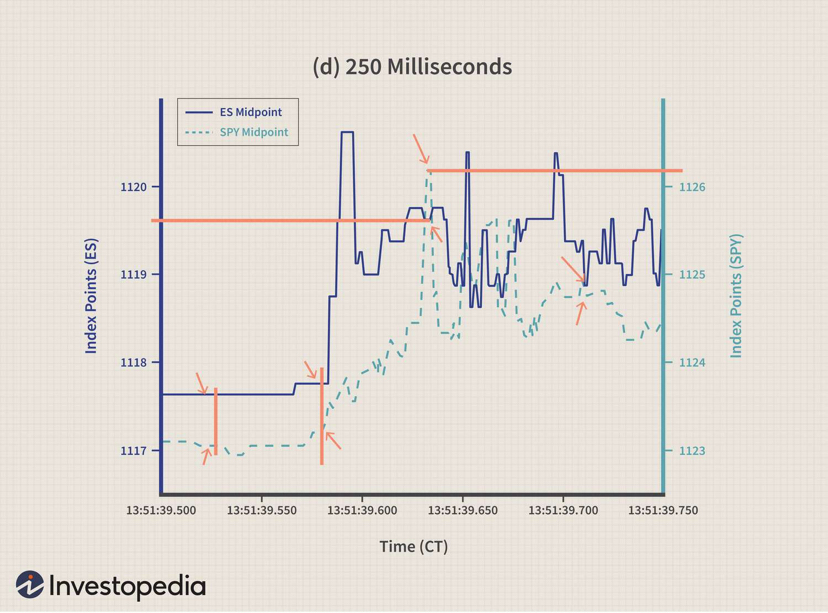
Look at these high-frequency trading examples: in just 250 milliseconds, massive price moves happen that slower systems miss entirely. That’s the difference between sniping an arbitrage or getting frontrun.
Enter @FogoChain and $FOGO—built exactly for this high-stakes arena. They’re not throwing around vague “scalability” buzzwords. It’s about real, measurable speed on the execution layer.
Their setup uses a custom-tuned version of Firedancer to push for around 28,000 TPS with super-tight ~100ms block times or even sub 40ms in their design.
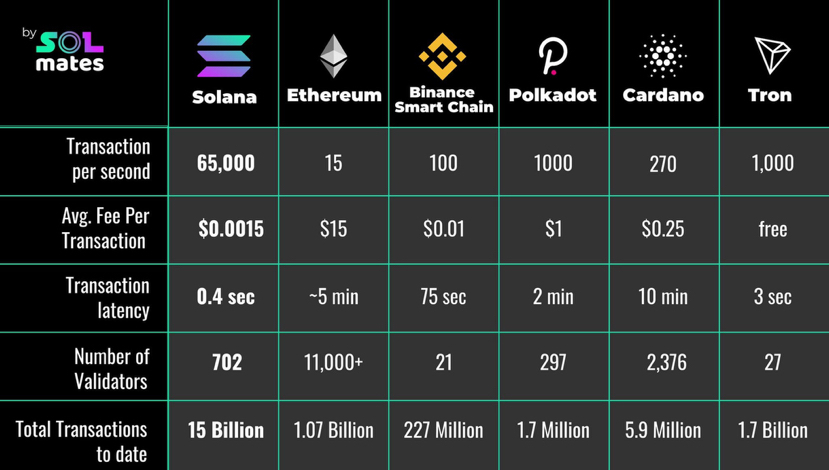
This slashes the time from when you hit “trade” to when it’s confirmed. Shorter loops mean less slippage, sharper arbitrage plays, and way more reliable liquidations. Faster feedback = better trading outcomes.
Plus, full compatibility with the Solana Virtual Machine means devs and bots from Solana can jump over with almost zero hassle. No rebuilding liquidity from scratch existing tools, apps, and liquidity can migrate fast and start competing right away. Low switching costs often decide if an ecosystem takes off or fizzles out.
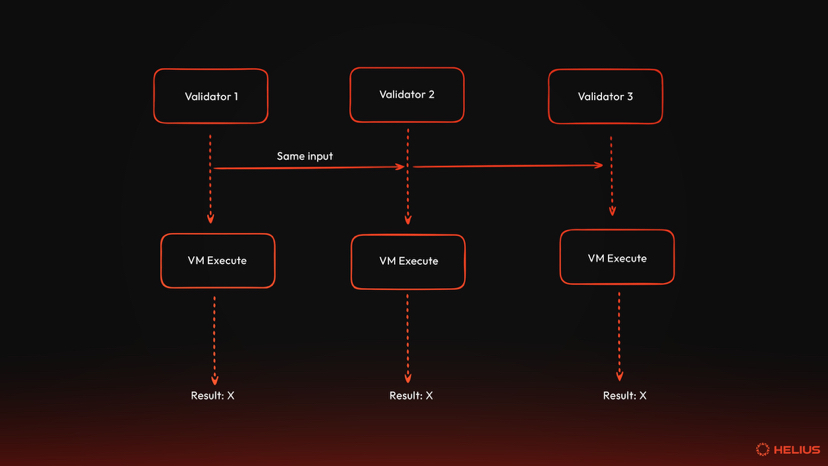
Another smart move: colocation consensus. Validators are placed close to big exchange hubs to cut down on latency and jitter. In wild markets, steady performance beats raw speed alone. Less variance in block delivery = tighter spreads and more predictable fills.
If the next bull run rewards actual performance over hype and marketing, chains tuned for real traders could quietly pull ahead.
