
I’ve always thought of myself as chain-agnostic.
Liquidity is liquidity. Execution is execution. If something works, I use it. If it doesn’t, I route around it. Simple.
So when I started looking at Fogo, I wasn’t trying to “switch.” I was just curious why a handful of people I respect kept bringing it up in serious conversations — not hype threads, not token debates, but actual infrastructure discussions.
The first thing I realized is that most of us have normalized instability.
Not catastrophic failure. Just micro-instability.
That slight unpredictability in confirmation timing. That tiny stretch when network load increases. The feeling that you’re operating on something that works — until it’s stressed.
I’ve built habits around that without even noticing.
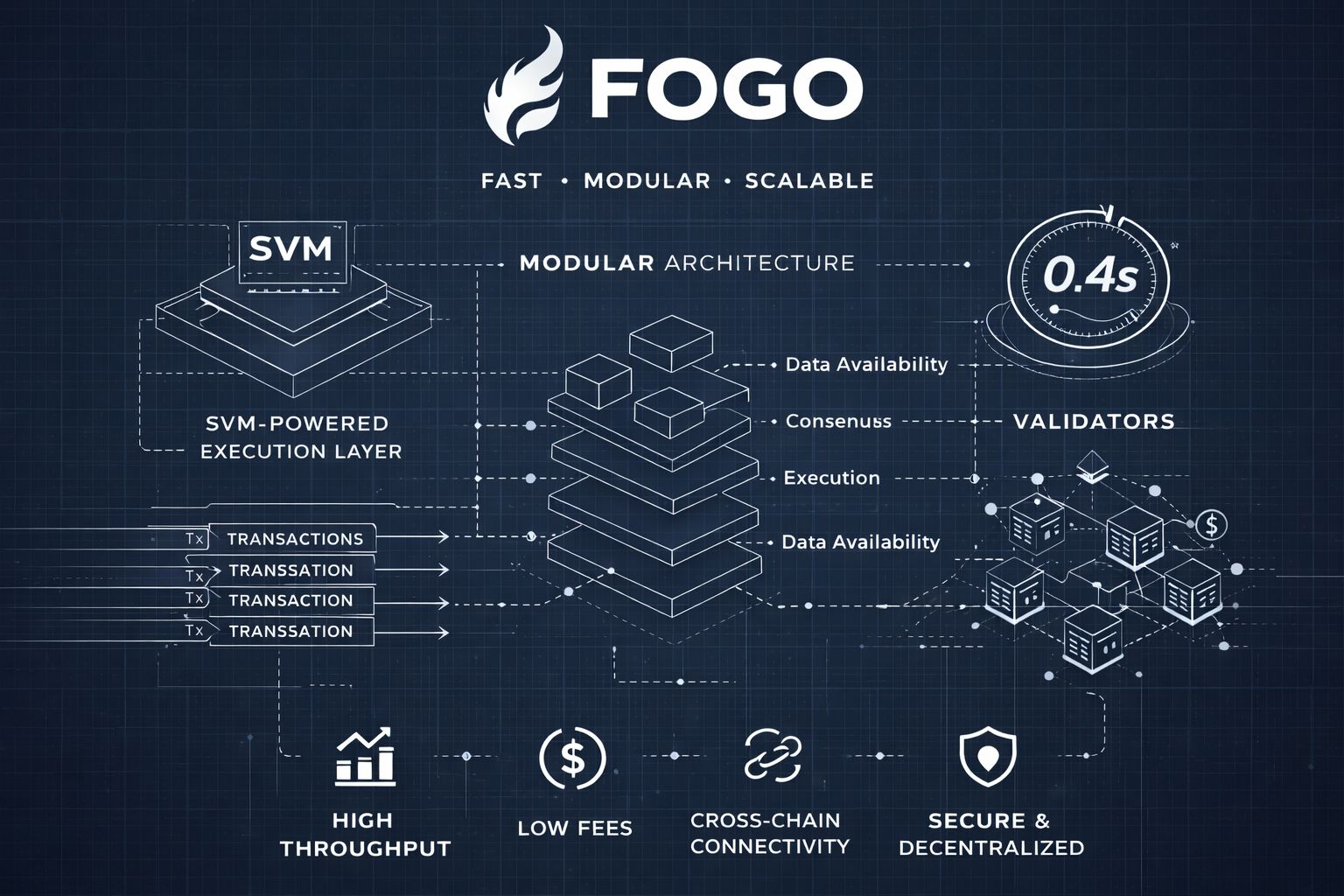
When I dug into Fogo’s design, what struck me wasn’t just that it runs on the Solana Virtual Machine. SVM already has the execution performance profile traders care about. That’s not controversial anymore.
What stood out was the deliberate narrowing of coordination.
Multi-Local Consensus sounds technical, but the core idea is simple: don’t force globally scattered validators to agree in the same tight time window if that distance adds delay. Group them. Optimize their communication paths. Shorten the loop.
It’s an admission that physics matters.
And honestly, that honesty is refreshing.
Crypto has a tendency to talk about decentralization as if geography is abstract. It isn’t. Signals travel through cables. Distance adds milliseconds. Milliseconds compound when volatility hits.
Fogo seems to accept that constraint instead of pretending to transcend it.
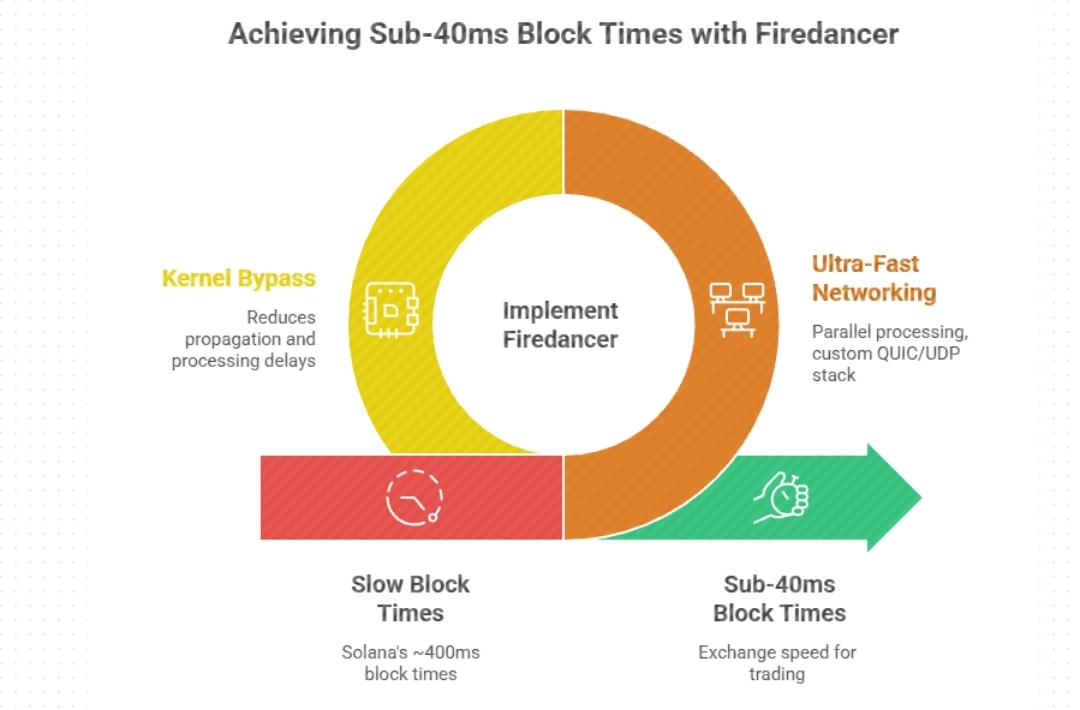
Then there’s the Firedancer-only approach.
That decision told me more about the project than any marketing could. By standard crypto logic, you diversify validator clients for resilience optics. Fogo narrowed to maximize deterministic performance.
That’s not a move you make if you’re trying to please everyone.
That’s a move you make if you know exactly who you’re building for.
And that’s what changed my own behavior.
When I imagine deploying strategies on Fogo, I don’t instinctively build in extra safety buffers for network lag. I don’t mentally pad execution assumptions. That might sound minor, but it changes how aggressively you can operate.
Confidence in coordination alters risk tolerance.
That’s powerful.
I’m still cautious about ecosystem gravity. Solana has a cultural and liquidity moat. Ethereum has ideological depth. Fogo is carving out something narrower — more surgical.
It’s targeting use cases where latency isn’t cosmetic, it’s economic.
The risk, of course, is adoption. Specialization works only if enough participants share the same need. Otherwise, you become a technically elegant solution waiting for demand.
But what Fogo has already done for me is recalibrate how I evaluate L1s.
I don’t ask “how fast are blocks?” anymore.
I ask “how stable is agreement under pressure?”
If a chain can’t answer that convincingly, its TPS headline means very little.
Fogo isn’t loud. It’s not trying to win the narrative cycle. It feels more like infrastructure shaped by people who’ve experienced coordination failure firsthand and decided to engineer around it.
Maybe that discipline compounds.
Maybe it doesn’t.
But the fact that it subtly changed how I think about timing risk is enough for me to keep watching.
And in crypto, attention earned through architecture — not hype — is rare.