
In the fast evolving world of blockchain technology, high performance networks like Solana, Ethereum, and Avalanche are pushing the boundaries of speed and scalability. These systems process thousands of transactions per second, enabling everything from decentralized finance to real-time applications. At the heart of their operation are validators nodes responsible for verifying transactions, proposing blocks, and maintaining consensus. But as networks grow more demanding, traditional validator models are showing their limits. High hardware requirements, centralization risks, and misaligned incentives are prompting a rethink of how validators participate. This article delves into the current challenges, emerging innovations, and what the future might hold for more inclusive and resilient validation systems.
The Current Landscape of Validator Participation
Validators are the backbone of proof of stake blockchains, where they stake cryptocurrency as collateral to participate in network security. Unlike proof of work miners who compete via computational power, PoS validators are selected based on their stake, performing duties like block proposal and attestation to earn rewards. In high-performance networks, this role is critical for achieving low latency and high throughput.
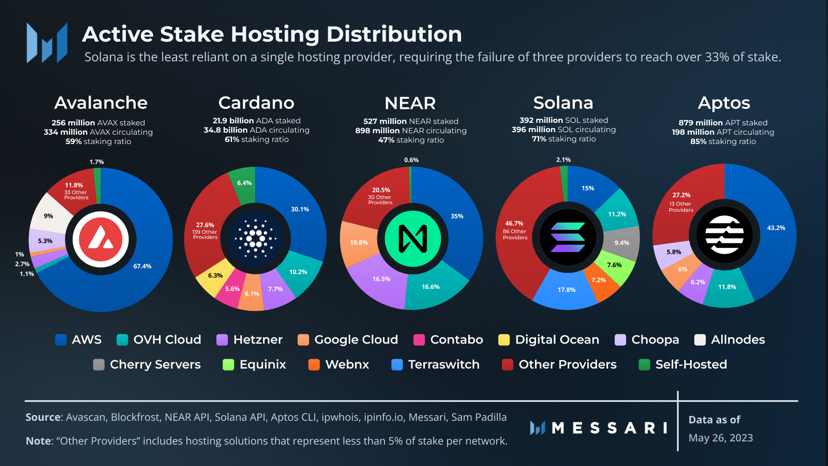
For instance, in Ethereum, validators must stake a minimum of 32 ETH and maintain high uptime to avoid penalties. Solana, known for its blistering speed, requires validators to handle massive data loads, often necessitating powerful servers. This setup has driven impressive participation rates: Solana boasts a 71% staking ratio, while Aptos reaches 85%. However, these figures mask underlying issues, such as the concentration of stake among a few large operators.
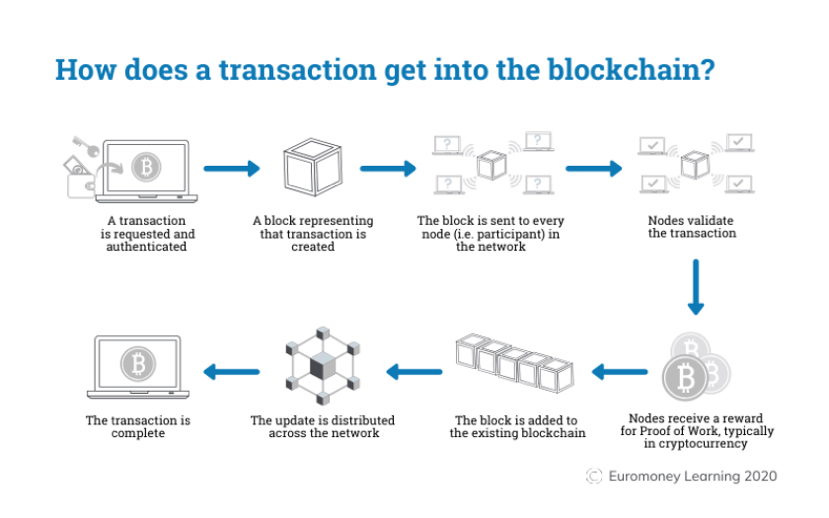
To visualize how validators interact within a network, consider this diagram showing the flow of transactions and consensus:
Challenges in High-Performance Environments
High performance networks demand validators to process data at scale, but this comes at a cost. Hardware barriers are a primary hurdle: Running a Solana validator requires high end CPUs, ample RAM, and fast storage, pricing out smaller participants and leading to centralization. In Avalanche, proposals to lower staking requirements aim to boost decentralization, but economic incentives often fail when rewards dip, causing validators to exit.
Another issue is maximal extractable value (MEV), where validators can prioritize profitable transactions, sometimes at the expense of network health. In Solana, aggressive MEV tactics can introduce latency and undermine consensus stability. Privacy concerns also loom; Ethereum’s peer-to-peer network has vulnerabilities that could deanonymize validators, risking targeted attacks.
Geographic and infrastructure distribution further highlights centralization risks. A Messari report shows that in networks like NEAR, over 20% of stake is hosted by a single provider, making the system vulnerable to outages. Here’s a graph illustrating active stake hosting distribution across major PoS networks:
 Latency plays a subtle yet crucial role. As networks scale, delays in block propagation can disadvantage validators, affecting rewards and overall efficiency. This is especially pronounced in dense, multi layered systems where traditional gossip protocols struggle.
Innovative Approaches to Rethink Participation
To address these pain points, the industry is exploring new models. One promising avenue is Decentralized Validator Technology which distributes validation tasks across multiple nodes, reducing single points of failure and lowering entry barriers. Vitalik Buterin has advocated for native Ethereum integration of DVT, potentially allowing shared staking below the 32 ETH threshold.
Aptos is pioneering “local sharding,” where a single validator is partitioned into multiple machines, achieving up to 1 million TPS on commodity hardware. This node partitioning avoids the pitfalls of mega-sequencers while scaling throughput.
Liquid staking and delegation are also gaining traction. Platforms like those from Blockdaemon and Figment enable users to stake without running nodes, distributing rewards more equitably and boosting participation. In Solana, efforts to balance MEV through better incentive alignment could prevent short-term profiteering from harming long-term health.
Moreover, hybrid consensus algorithms integrating machine learning are being proposed to enhance security and adaptability. Networks like Monad and Somnia are redesigning architectures for extreme TPS, emphasizing validator efficiency.
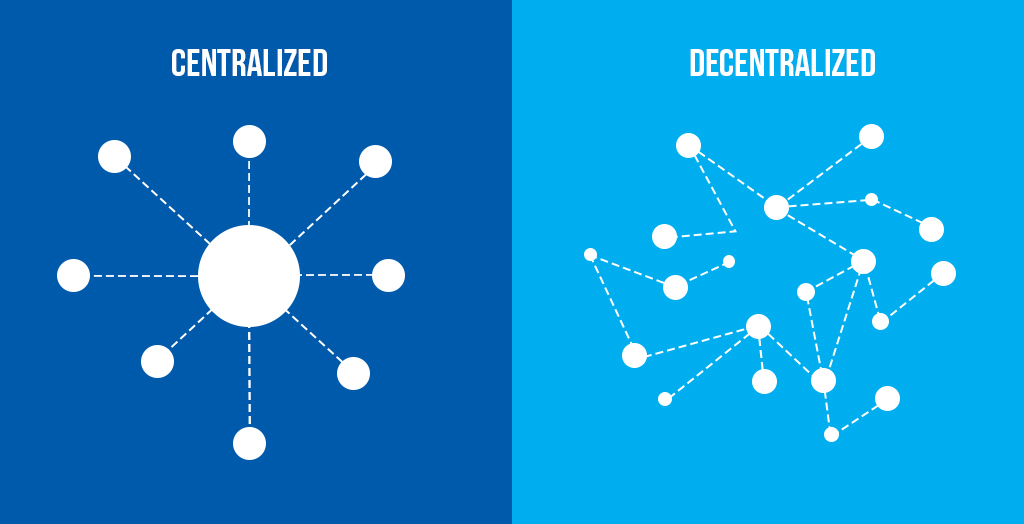
The shift from centralized to decentralized validation can be seen in this illustration:
 Case Studies: Lessons from Leading Networks
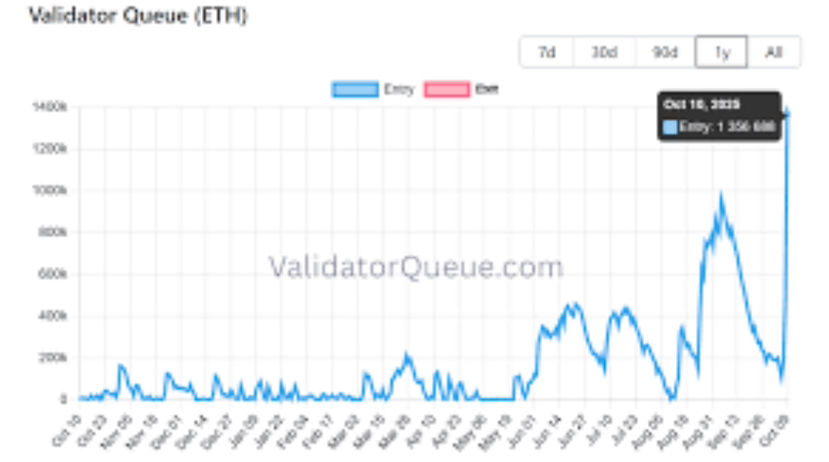
Ethereum’s validator queue recently hit record highs, signaling strong interest but also highlighting activation delays. With over 1 million validators, the network’s focus on performance metrics like block proposals underscores the need for optimization.
Solana’s ecosystem reveals a stark revenue disparity among top validators, driven by MEV and fees. Recent infrastructure updates by groups like Validators DAO have improved reproducibility by aligning nodes with financial network hubs like Chicago and Frankfurt.
In supply chain contexts, blockchain validators are rethinking operations for transparency, as seen in studies on blockchain’s role in manufacturing and utilities.
This graph tracks Ethereum’s validator entry queue over time, reflecting growing participation:
 Looking Ahead: A More Inclusive Future
Rethinking validator participation isn’t just about technical tweaks it’s about fostering true decentralization. By lowering barriers, aligning incentives, and leveraging innovations like DVT and sharding, high-performance networks can become more resilient and accessible. As blockchain integrates with AI and IoT, as in projects like Raiinmaker, robust validation will be key to building trust at scale.
The path forward involves balancing speed with security, ensuring that validators aren’t just participants but stewards of a sustainable ecosystem. As these models evolve, they promise to democratize blockchain, making high-performance networks viable for a broader range of users and applications.
