
Przemysł aktywów cyfrowych wchodzi w nową fazę. Podczas gdy nastroje rynkowe osłabły, a ceny pozostają niestabilne, podstawowa infrastruktura kryptowalut nigdy nie była silniejsza. W centrum tej transformacji stoi Binance, platforma, która ewoluowała daleko poza swoje pierwotne przeznaczenie jako giełda kryptowalut. Pod przewodnictwem dyrektora generalnego Richarda Tenga i współzałożyciela He Yi, Binance pozycjonuje się jako globalna warstwa infrastruktury finansowej, łącząc innowacje z natywnych kryptowalut z tradycyjnymi finansami.
Ta ewolucja nie jest napędzana przez szum czy krótkoterminowe cykle rynkowe. Zamiast tego odzwierciedla głębokie zmiany strukturalne w tym, jak przepływa kapitał, jak są handlowane aktywa i jak systemy finansowe są odbudowywane na szynach blockchain. Wnioski z badań Binance, DeFi Llama i szerszych danych branżowych pokazują, że skala i ekspansja produktów Binance odgrywają kluczową rolę w kształtowaniu przyszłości globalnych finansów.
Rynek w przejściu
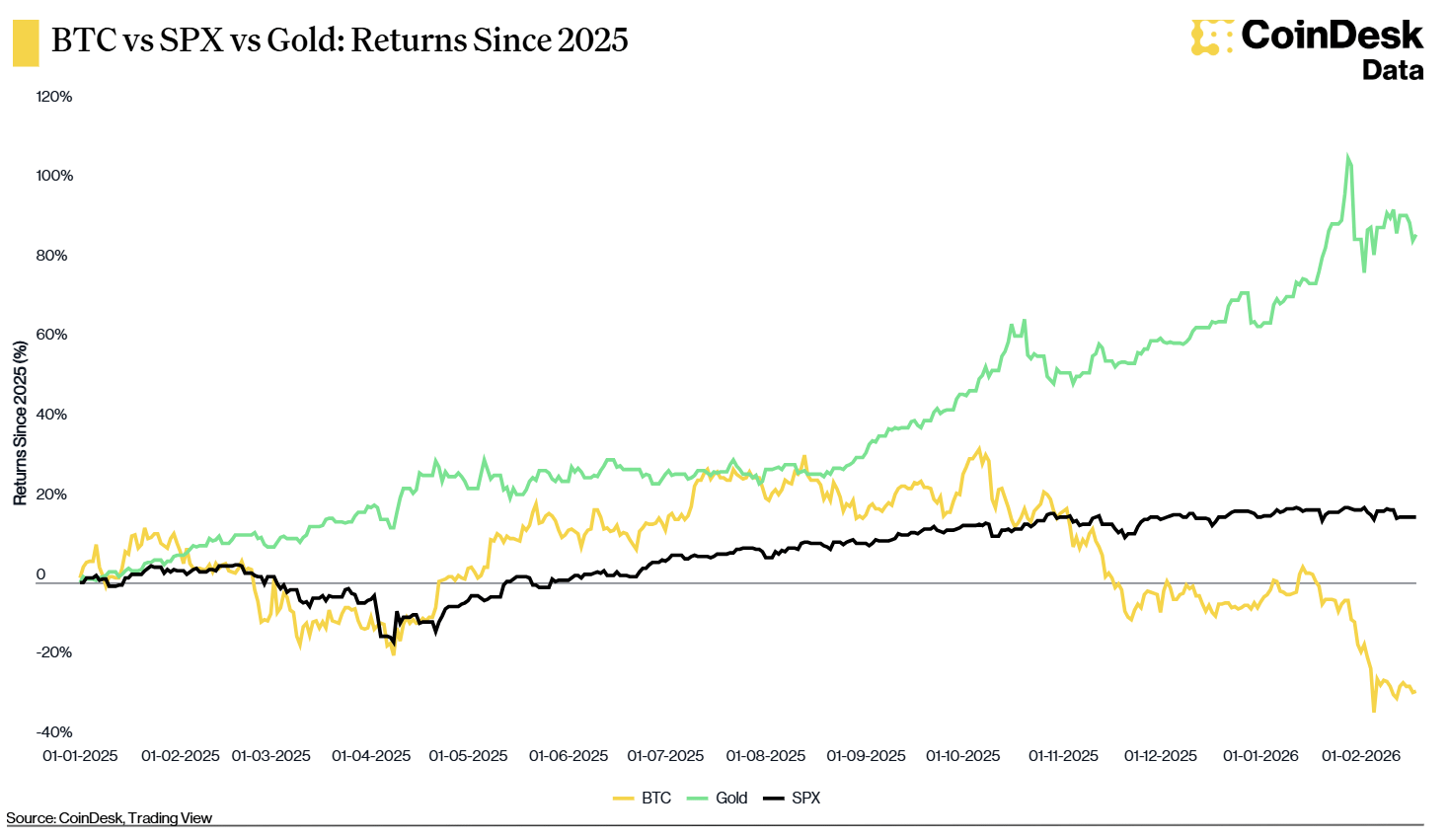
Rynki kryptowalut wchodzące w 2026 przedstawiają paradoks. Na powierzchni nastroje wydają się przytłumione. Bitcoin doświadczył znaczących spadków, Indeks Strachu i Chciwości jest na historycznych minimach, a wpływy instytucjonalne spowolniły w porównaniu do szybkiego wzrostu widzianego w poprzednich cyklach. Wiele altcoinów handluje znacznie poniżej swoich wcześniejszych szczytów, a szeroko oczekiwana "sezon altcoinów" jeszcze się nie zmaterializowała.
Jednak pod tym działaniem cenowym leży znacznie silniejsza podstawa niż w poprzednich cyklach. Całkowita kapitalizacja rynku stablecoinów przekroczyła 300 miliardów dolarów, co oznacza sześciokrotny wzrost w porównaniu do poziomów z początku 2020 roku. Stablecoiny stały się podstawową warstwą płynności w ekosystemie kryptowalut, działając jako pomost między tradycyjnymi finansami a rynkami opartymi na blockchainie.
Jednocześnie aktywność on-chain działa na wyższym poziomie podstawowym niż kiedykolwiek wcześniej. Tygodniowe wolumeny stablecoinów osiągnęły szczyty na poziomie 160 miliardów dolarów na początku 2025 roku, a obecnie średnio wynoszą około 60 miliardów dolarów, co jest podwójnym poziomem w stosunku do utrzymujących się poziomów widzianych podczas cyklu z 2021 roku. To wskazuje nie tylko na zwiększoną adopcję, ale także na bardziej odporną i dojrzałą strukturę rynku.
W tym ewoluującym środowisku, skala Binance zapewnia unikalną przewagę. Jako największa scentralizowana giełda na świecie, stanowi krytyczne przejście dla płynności, handlu i formowania kapitału.
Binance jako wieloaspektowa instytucja finansowa
Jednym z najważniejszych wydarzeń w ostatnich latach jest przekształcenie platform kryptowalutowych w wieloaspektowe instytucje finansowe. Binance stoi na czołowej linii tej zmiany.
Tradycyjnie scentralizowane giełdy koncentrowały się wyłącznie na aktywach cyfrowych. Dziś Binance rozszerza swoją działalność na towary, instrumenty pochodne i inne instrumenty finansowe. Wprowadzenie kontraktów terminowych na złoto i srebro oznacza punkt zwrotny, sygnalizując zbieżność kryptowalut i tradycyjnych finansów.
Od momentu uruchomienia tych produktów Binance zarejestrował około 70 miliardów dolarów wolumenu kontraktów towarowych. Ten wzrost podkreśla silny popyt na alternatywne aktywa w rynku kryptonatywnym i pokazuje, jak użytkownicy coraz bardziej postrzegają Binance jako coś więcej niż tylko giełdę kryptowalut.
Ta zmiana odzwierciedla szerszą transformację "mikro do makro". To, co zaczęło się jako niszowy handel kryptowalutami, ewoluuje w kompleksowy ekosystem finansowy, w którym użytkownicy mogą uzyskać dostęp do szerokiego zakresu aktywów na jednej platformie. Infrastruktura, płynność i globalny zasięg Binance pozycjonują ją jako kluczowego gracza w tej transformacji.
Stablecoiny: Fundament cyfrowej płynności
Stablecoiny stały się jednym z najważniejszych elementów budulcowych gospodarki kryptowalut. Ich szybki wzrost jest wyraźnym wskaźnikiem rosnącej adopcji i integracji instytucjonalnej.
Rynek stablecoinów wzrósł z poniżej 50 miliardów dolarów w 2020 roku do ponad 300 miliardów dolarów dzisiaj. Ta ekspansja odzwierciedla nie tylko zwiększone wpływy kapitałowe, ale także głębszy poziom zaufania do systemów finansowych opartych na blockchainie.
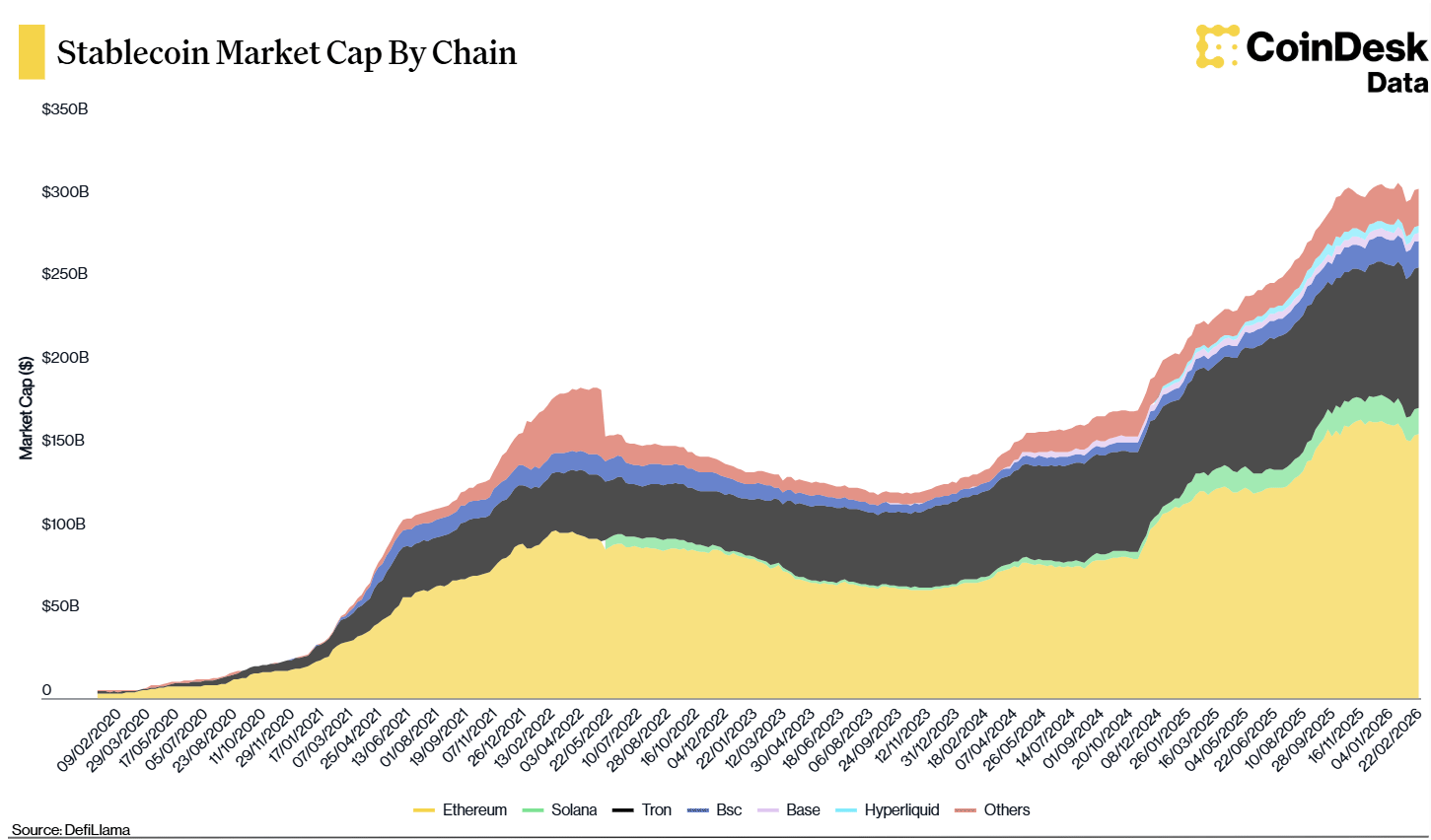
Ethereum pozostaje dominującą siecią dla stablecoinów, ale inne ekosystemy zyskują na znaczeniu. BNB Chain, w szczególności, odnotował znaczący wzrost, z aktywnością stablecoinów szybko rosnącą rok po roku. Ten wzrost jest wspierany przez infrastrukturę Binance, która ułatwia bezproblemowe transfery, handel i integrację między różnymi łańcuchami.
Stablecoiny nie są już ograniczone do handlu kryptowalutami. Coraz częściej są wykorzystywane do płatności, przekazów pieniężnych i zarządzania skarbcem. Płatności między firmami z wykorzystaniem stablecoinów wzrosły, a ich udział w całkowitych transakcjach stablecoinów znacznie wzrósł w ostatnich latach.
Oczekuje się, że ten trend przyspieszy, gdy instytucje finansowe zintegrowują stablecoiny w swoje operacje. Banki, dostawcy płatności i globalne korporacje badają systemy rozliczeniowe oparte na blockchainie, a ekosystem Binance odgrywa kluczową rolę w umożliwieniu tej transformacji.
Wzrost aktywów rzeczywistych (RWA)
Kolejnym kluczowym czynnikiem wzrostu w przestrzeni aktywów cyfrowych jest tokenizacja aktywów rzeczywistych. RWA reprezentują tradycyjne instrumenty finansowe, takie jak skarby, kredyty prywatne i towary, przeniesione na sieci blockchain.
Całkowita wartość zablokowana w protokołach RWA znacznie wzrosła, osiągając ponad 20 miliardów dolarów. Ten wzrost odzwierciedla zarówno zainteresowanie instytucjonalne, jak i popyt na aktywa generujące dochód w ekosystemie kryptowalut.
Tokenizacja oferuje kilka zalet. Umożliwia ułamkową własność, zapewnia globalny dostęp i pozwala na niemal natychmiastowe rozliczenie. Te cechy obniżają bariery wejścia i tworzą nowe możliwości dla inwestorów.
Binance aktywnie przyczynia się do tego trendu, dostarczając infrastrukturę dla tokenizowanych aktywów i ułatwiając dostęp do szerokiego zakresu produktów finansowych. Integrując RWA na swojej platformie, Binance pomaga zniwelować przepaść między tradycyjnymi finansami a systemami zdecentralizowanymi.
BNB Chain i gospodarka wielołańcuchowa
Ewolucja ekosystemu kryptowalut jest coraz bardziej określona przez wielołańcuchowy krajobraz. Zamiast jednej dominującej sieci, różne blockchainy specjalizują się w konkretnych zastosowaniach.
BNB Chain stał się kluczowym graczem w tym środowisku. Wykazał silny wzrost zarówno w aktywności użytkowników, jak i wolumenach transakcji. Z prawie 1,9 miliona dziennych aktywnych użytkowników, znajduje się w czołówce najbardziej aktywnych sieci blockchain.
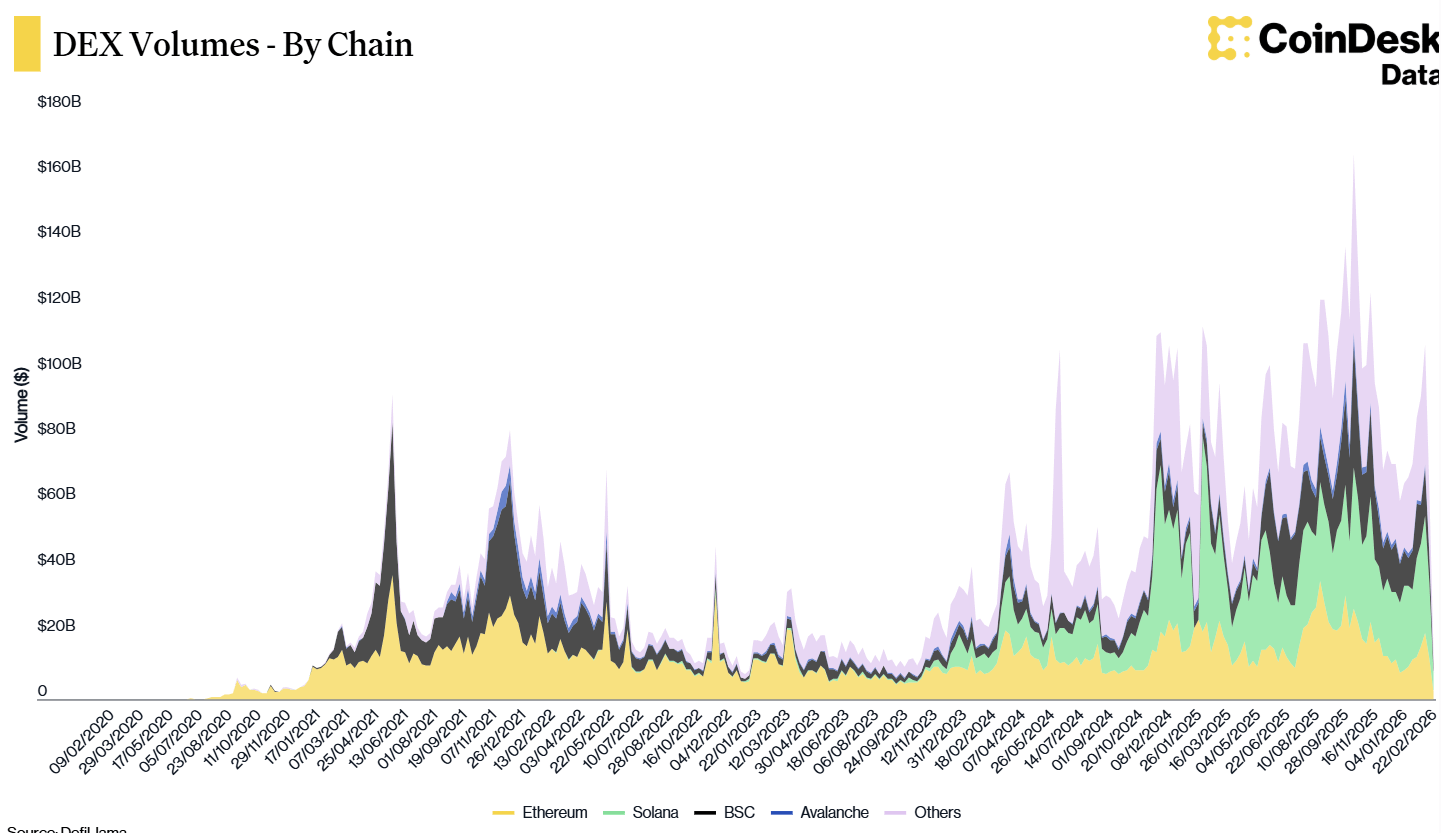
Aktywność zdecentralizowanej giełdy BNB Chain również odnotowała znaczący wzrost, z rocznymi wolumenami handlowymi zwiększającymi się o ponad 100 procent. W okresach szczytowych zdobyła znaczną część globalnego rynku DEX.
Ten wzrost podkreśla znaczenie skalowalnej, efektywnej kosztowo infrastruktury blockchain. Wydajność BNB Chain jest ściśle związana z szerszym ekosystemem Binance, który zapewnia płynność, onboardowanie użytkowników i wsparcie dla deweloperów.
Wspierając szeroki zakres aplikacji, od DeFi po gry i płatności, BNB Chain odgrywa kluczową rolę w przyspieszaniu adopcji kryptowalut.
Przychody On-Chain: Powstanie prawdziwej działalności gospodarczej
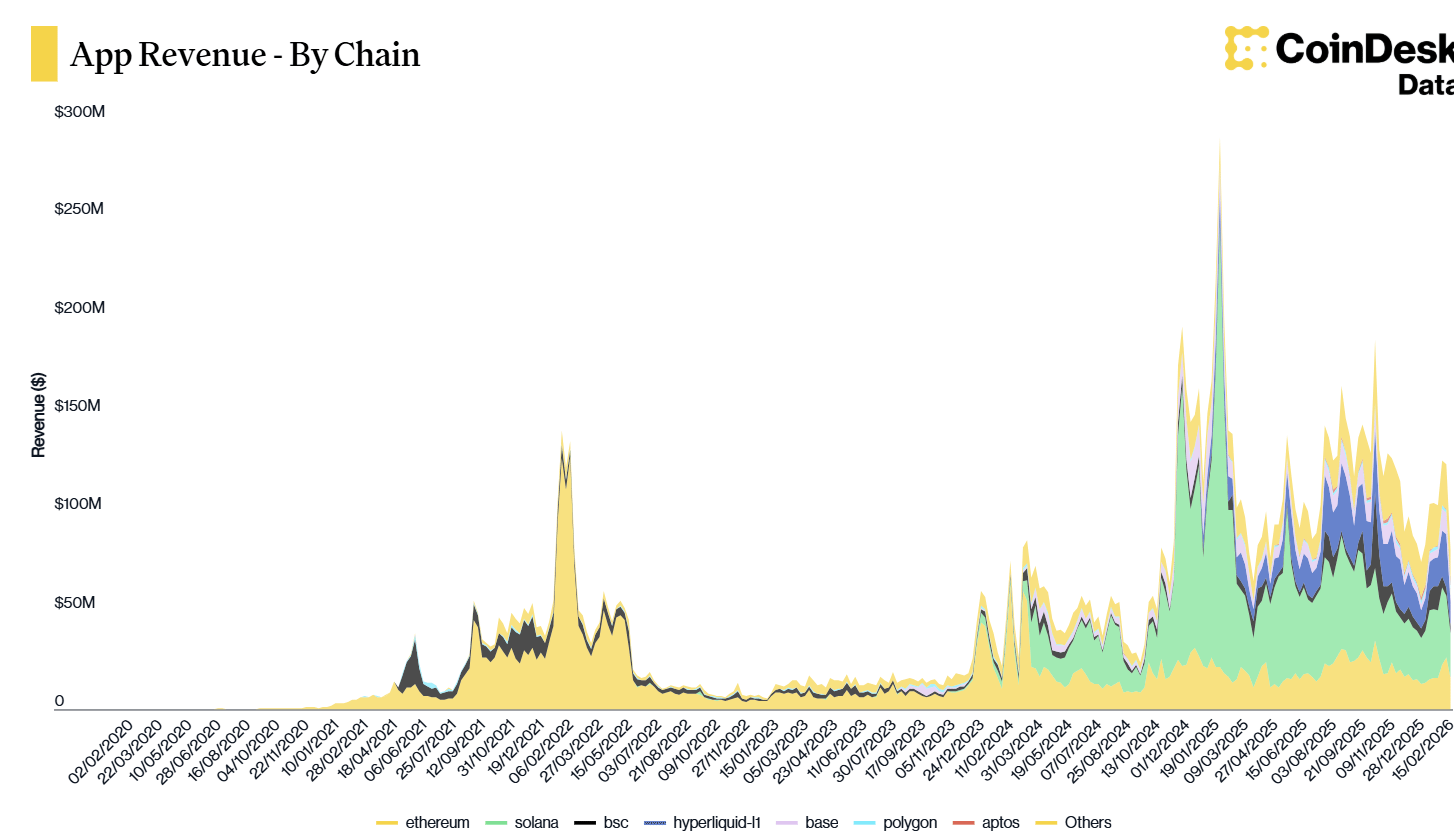
Poza płynnością i aktywnością handlową, jednym z najclejwszych wskaźników prawdziwej adopcji są przychody z aplikacji. W przeciwieństwie do poprzednich cykli, gdzie generowanie przychodów było w dużej mierze skoncentrowane w Ethereum, obecny ekosystem jest znacznie bardziej zróżnicowany, z wieloma łańcuchami generującymi stały dochód z aktywności on-chain.
Tygodniowe przychody z aplikacji obecnie średnio wynoszą od 50 do 70 milionów dolarów, z szczytami przekraczającymi 250 milionów dolarów w okresach wysokiej aktywności. To oznacza znaczną zmianę w porównaniu do wcześniejszych cykli, w których przychody były ograniczone do niewielkiej liczby protokołów i sieci.
W miarę jak ekosystem dojrzewa, generowanie przychodów staje się kluczowym wskaźnikiem oceny adopcji blockchaina. Zamiast polegać wyłącznie na spekulacyjnym handlu, protokoły coraz częściej generują zrównoważony dochód od prawdziwych użytkowników i usług.
Integracja instytucjonalna i struktura rynku
Adopcja instytucjonalna przekształca rynek kryptowalut. Posiadania skarbcowe Bitcoina znacznie wzrosły, a główne instytucje finansowe coraz częściej alokują kapitał w aktywa cyfrowe.
Chociaż dane z ostatnich lat pokazują spowolnienie wpływów, strukturalny wpływ uczestnictwa instytucjonalnego pozostaje znaczący. Spot ETF, alokacje w skarbcach korporacyjnych i regulowane produkty wprowadziły nowe formy kapitału na rynek.
Skupienie Binance na zgodności, bezpieczeństwie i infrastrukturze było kluczowe dla przyciągania użytkowników instytucjonalnych. Pod przewodnictwem Richarda Tenga firma podkreślała zgodność regulacyjną i przejrzystość, pozycjonując się jako zaufany partner dla instytucji.
Ta zmiana jest kluczowa dla długoterminowego wzrostu branży. W miarę jak uczestnictwo instytucjonalne rośnie, rynek staje się bardziej stabilny, płynny i zintegrowany z tradycyjnymi systemami finansowymi.
Od platformy kryptograficznej do super-aplikacji finansowej
Przyszłość Binance leży w jego ewolucji w kierunku super-aplikacji finansowej. Zamiast koncentrować się wyłącznie na handlu kryptowalutami, Binance buduje kompleksowy ekosystem, który obejmuje handel, płatności, produkty inwestycyjne i usługi finansowe.
Ta wizja jest zgodna z szerszymi trendami w globalnej gospodarce. W miarę jak systemy finansowe stają się coraz bardziej cyfrowe, użytkownicy poszukują platform, które oferują bezproblemowy dostęp do wielu klas aktywów.
Technologia blockchain umożliwia tę transformację, zapewniając zjednoczoną infrastrukturę do emisji, handlu i rozliczania aktywów. Skala Binance pozwala jej wykorzystać te możliwości i dostarczać szeroki zakres usług użytkownikom na całym świecie.
Wzrost rynków prognozowania, tokenizowanych aktywów i transakcji napędzanych przez maszyny dodatkowo rozszerza zakres tego ekosystemu. Sieci blockchain umożliwiają przejrzyste, programowalne interakcje finansowe, zmniejszając ryzyko kontrahenta i zwiększając efektywność.
Droga naprzód
Przemysł aktywów cyfrowych wychodzi poza swoje wczesne etapy. Chociaż cykle cenowe nadal kształtują krótkoterminowe nastroje, długoterminowa trajektoria jest określona przez infrastrukturę, adopcję i integrację.
Niezrównana skala Binance pozycjonuje ją w centrum tej transformacji. Rozszerzając się na nowe klasy aktywów, wspierając adopcję stablecoinów oraz budując solidną infrastrukturę blockchain, Binance pomaga kształtować przyszłość finansów.
Zbieżność kryptowalut i tradycyjnych rynków nie jest już odległą możliwością. Dzieje się to w czasie rzeczywistym. Stablecoiny wprowadzają się do globalnych płatności, aktywa rzeczywiste przenoszą się na blockchain, a scentralizowane platformy ewoluują w kierunku wieloaspektowych hubów finansowych.
W tym nowym krajobrazie Binance nie jest tylko uczestnikiem. Jest siłą napędową nowej fazy globalnej innowacji finansowej.