
#ROBO # ROBO: Wzrost robotyki i automatyzacji
## Wprowadzenie do ROBO

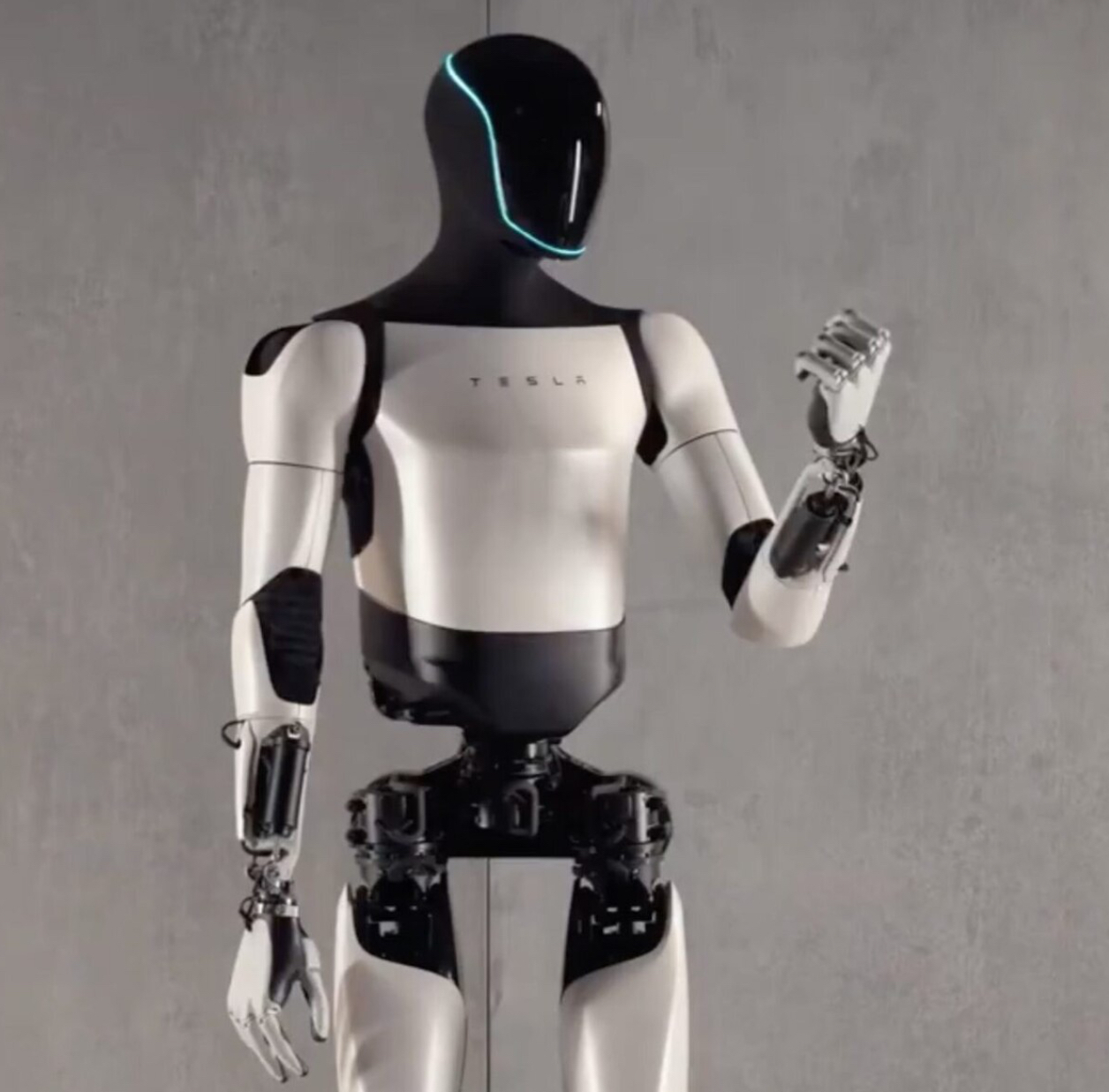

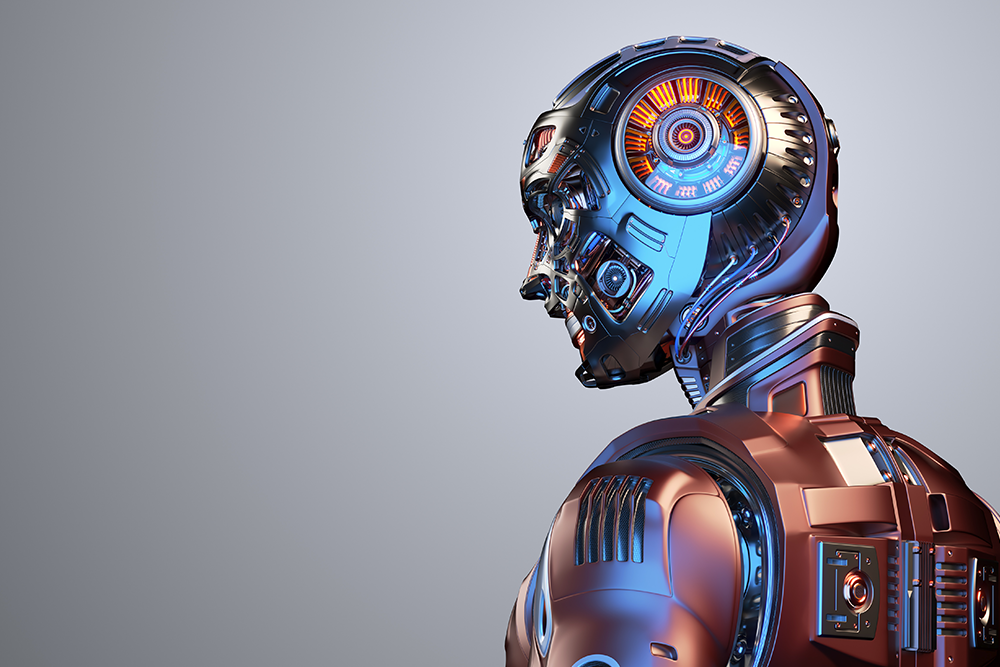

ROBO reprezentuje szybko rozwijający się świat robotyki, automatyzacji i technologii sztucznej inteligencji, które przekształcają przemysły na całym świecie. Od zakładów produkcyjnych po szpitale, a nawet nasze domy, systemy robotyczne stają się coraz mądrzejsze, szybsze i bardziej wydajne. Termin „ROBO” jest często kojarzony z ekosystemem robotyki i automatyzacji, w tym firmami projektującymi sprzęt robotyczny, rozwijającymi oprogramowanie AI i budującymi inteligentne maszyny zdolne do wykonywania złożonych zadań.
Rewolucja robotyki jest napędzana postępem w mocy obliczeniowej, uczeniu maszynowemu, czujnikach i łączności. Te innowacje pozwalają robotom interagować z ich otoczeniem, analizować dane w czasie rzeczywistym i podejmować autonomiczne decyzje. W rezultacie robotyka nie ogranicza się już do powtarzalnej pracy w fabrykach – teraz obejmuje opiekę zdrowotną, logistykę, rolnictwo, obronę i technologię konsumencką.
---
## Kluczowe komponenty technologii ROBO


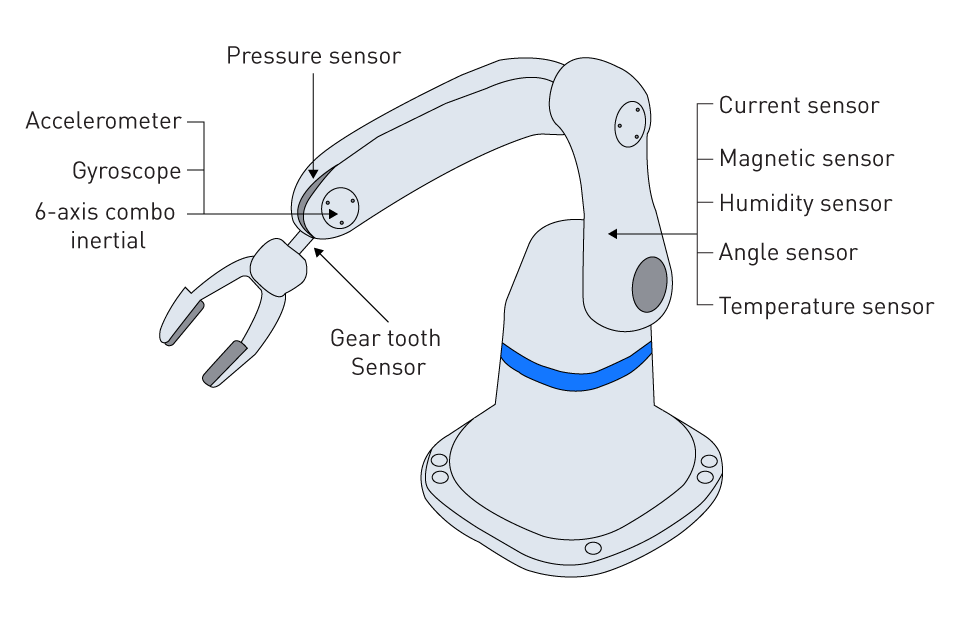
Systemy ROBO zazwyczaj składają się z czterech głównych komponentów:
1. **Struktura mechaniczna** – Fizyczne ciało, takie jak ramiona robotyczne, koła lub ramy humanoidalne.
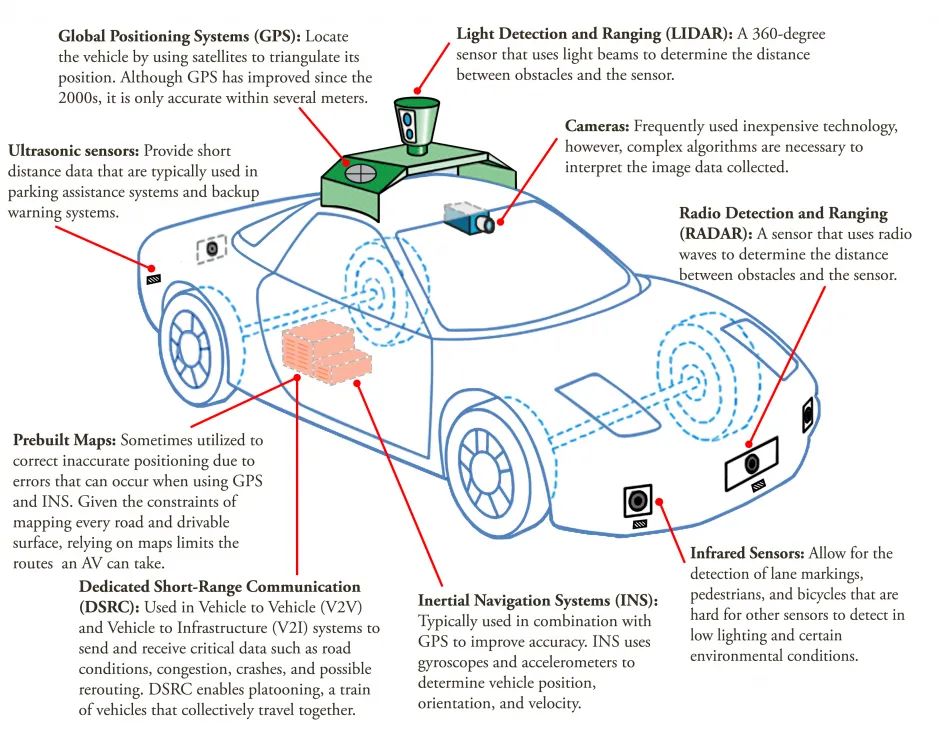
2. **Czujniki** – Kamery, LiDAR, czujniki podczerwieni i dotykowe, które zbierają dane środowiskowe.
3. **Systemy sterowania** – Wbudowane procesory i oprogramowanie, które analizują dane wejściowe i kontrolują ruch.
4. **Sztuczna inteligencja (AI)** – Algorytmy, które umożliwiają uczenie się, adaptację i podejmowanie decyzji.
Te elementy współpracują ze sobą w ciągłej pętli: czujniki zbierają dane, AI je przetwarza, system sterujący wysyła polecenia, a części mechaniczne wykonują działania. Ten cykl umożliwia robotom wykonywanie zadań z precyzją i spójnością.
---
## Zastosowania ROBO w nowoczesnym społeczeństwie

### 1. Produkcja
Przemysłowe roboty montują samochody, elektronikę i maszyny z niezwykłą precyzją. Automatyzacja zwiększa wydajność, jednocześnie zmniejszając narażenie ludzi na niebezpieczne zadania.
### 2. Opieka zdrowotna
Robotyczne systemy chirurgiczne wspierają lekarzy w przeprowadzaniu minimalnie inwazyjnych procedur. Narzędzia diagnostyczne zasilane AI również pomagają analizować obrazy medyczne bardziej dokładnie.
### 3. Transport
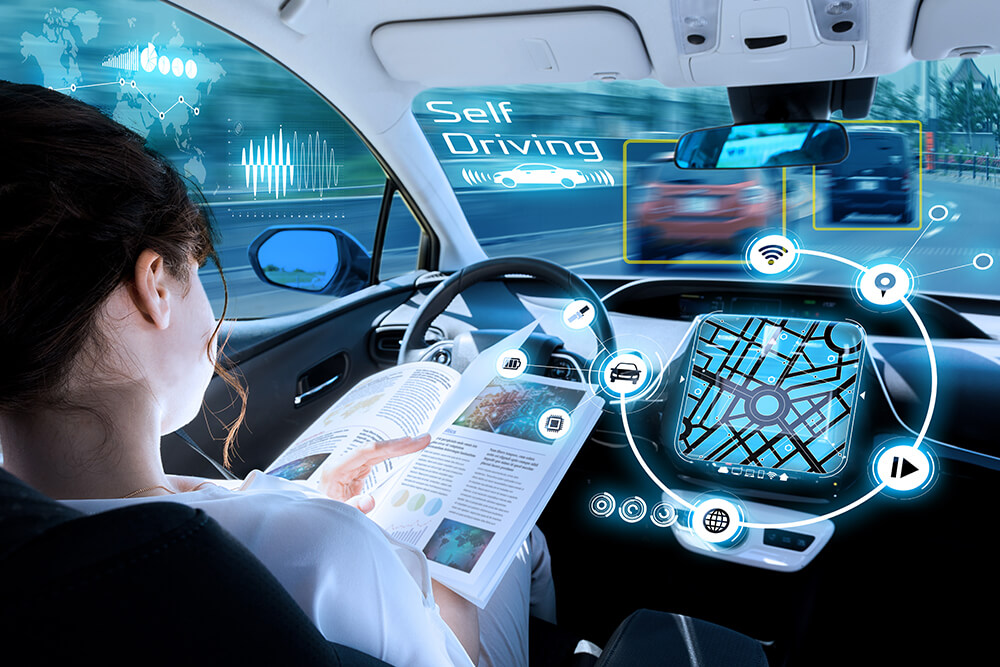
Pojazdy autonomiczne i drony przekształcają logistykę i usługi dostawcze. Technologie autonomiczne mają na celu poprawę bezpieczeństwa na drogach i wydajności.
### 4. Rolnictwo
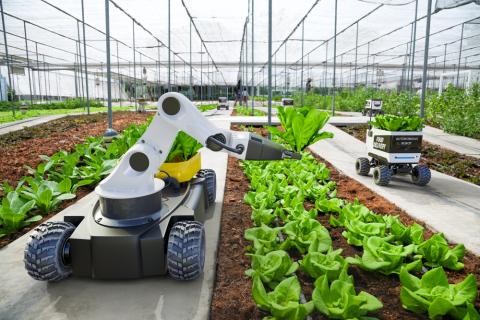
Robotyczne żniwiarki i drony monitorujące optymalizują produkcję plonów, redukują odpady i wspierają zrównoważone praktyki rolnicze.
---
## Korzyści z technologii ROBO
Technologie ROBO oferują kilka zalet:
* **Zwiększona wydajność:** Roboty mogą działać 24/7 bez zmęczenia.
* **Wyższa precyzja:** Zaawansowane czujniki zapewniają dokładne działanie.
* **Redukcja kosztów:** Automatyzacja zmniejsza długoterminowe koszty pracy i operacyjne.
* **Zwiększone bezpieczeństwo:** Roboty wykonują niebezpieczne zadania w górnictwie, budownictwie i produkcji.
Ponadto robotyka wspiera innowacje, umożliwiając całkowicie nowe branże, takie jak robotyka do eksploracji kosmosu i zaawansowane protezy.
---
## Wyzwania i przyszłość ROBO
Pomimo swoich zalet, technologia ROBO stawia wyzwania. Utrata miejsc pracy z powodu automatyzacji jest dużym problemem. Kwestie etyczne związane z podejmowaniem decyzji przez AI i prywatnością danych muszą być również rozwiązane. Dodatkowo wysokie koszty rozwoju i wdrożenia mogą ograniczać dostępność dla mniejszych firm.
Jednak przyszłość ROBO pozostaje obiecująca. Dzięki ciągłym badaniom w dziedzinie AI, obliczeń kwantowych i inteligentnych materiałów, roboty staną się bardziej elastyczne i współpracujące. Współpraca człowiek-robot (coboty) ma się rozwijać, gdzie maszyny wspierają, a nie zastępują pracowników.
Podsumowując, ROBO reprezentuje siłę transformacyjną kształtującą przyszłość pracy i społeczeństwa. W miarę jak technologie robotyki i automatyzacji ewoluują, będą nadal redefiniować przemysły, poprawiać standardy życia i otwierać nowe możliwości innowacji w XXI wieku.