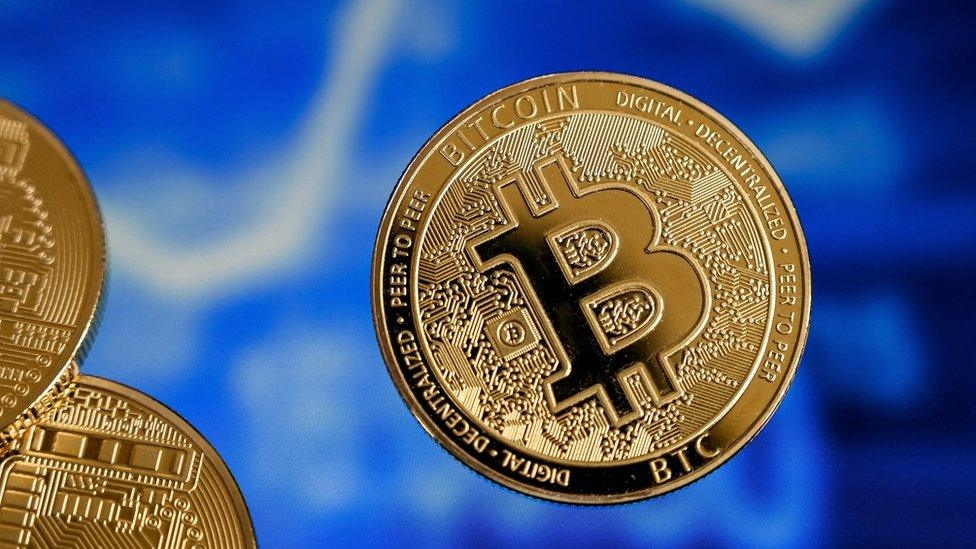
Chociaż rynek kryptowalut doświadcza normalnych wahań w 2026 roku, a cena Bitcoina przeszła ostatnie korekty, długoterminowe fundamenty największego cyfrowego aktywa na świecie są silniejsze niż kiedykolwiek. Globalne instytucje finansowe, takie jak Bitwise i Fidelity, nie tylko utrzymują swoje zaufanie, ale także publikują szczegółowe analizy, które przedstawiają jasną drogę do globalnej dojrzałości i adopcji .
Poza spekulacjami i cyklami halvingu, istnieją trzy obiektywne, mierzalne metryki, które wspierają tezę, że Bitcoin może osiągnąć symboliczny próg 1 000 000 USD w ciągu następnej dekady. Oto one.
1. Atak Instytucjonalny: Od "Aktywa Spekulacyjnego" do Zabezpieczenia Finansowego
Pierwszy wskaźnik, a być może najważniejszy, to radykalna transformacja profilu inwestora. Rynek nie jest już napędzany wyłącznie entuzjazmem detalicznym, ale przez strukturalną falę kapitału instytucjonalnego.
· ETF-y i dostęp do Wall Street: Uruchomienie ETF-ów na Bitcoinie otworzyło wrota dla kapitału z USA. W 2026 roku ten fenomen przyspiesza. Instytucje takie jak Bitwise szacują, że w tym roku na rynek wejdzie dziesiątki miliardów dolarów z funduszy emerytalnych, fundacji i funduszy majątkowych, ponieważ główne platformy, takie jak Merrill Lynch i Morgan Stanley, teraz ułatwiają dostęp dla swoich klientów.
· Integracja z Tradycyjnym Systemem: Niedawno potężne banki, takie jak Citi i Morgan Stanley, ogłosiły konkretne plany integracji Bitcoina z istniejącą infrastrukturą finansową. Citi uruchomi usługi depozytowe dla instytucji, pozwalając klientom na przechowywanie Bitcoina w tym samym ramie prawnym i raportowym co tradycyjne akcje. Ponadto zamierzają umożliwić użycie BTC jako zabezpieczenia. To potwierdza Bitcoina jako legitmacyjną klasę aktywów, a nie tylko narzędzie spekulacyjne.
· Supercykl i płytsze spadki: Fidelity mówi o wejściu w "supercykl", podtrzymywany przez ten stały popyt instytucjonalny. Gdy przepływy stają się bardziej stabilne, zmienność maleje (Bitcoin był mniej zmienny niż główne akcje, takie jak Nvidia w 2025 roku), a korelacja z S&P 500 zmniejsza się, co czyni go idealnym narzędziem do dywersyfikacji portfela.
2. Szok Podażowy: Programowana Rzadkość vs. Nieskończony Popyt
Drugi wskaźnik dotyczy niezmienności matematyki Bitcoina. Gdy popyt instytucjonalny eksploduje, nowa podaż staje się coraz bardziej ograniczona.
· Wskaźnik Stock-to-Flow osiąga nowe szczyty: Ostatnie dane z CryptoQuant pokazują historyczną rozbieżność między ceną Bitcoina a wskaźnikiem Stock-to-Flow (S2F). Krótko mówiąc, "Płynność" (nowa podaż wchodząca na rynek) dramatycznie maleje w porównaniu do całkowitego "Zapas" (istniejąca podaż). Ten wskaźnik "rzadkości" wzrósł do poziomów, które, historycznie, poprzedzają duże ruchy cenowe.
· Efekt "Sprężyny Kompresyjnej": Gdy wskaźnik S2F wzrasta, ale cena stagnuje lub koryguje się, powstaje efekt "sprężyny kompresyjnej". Rynek tymczasowo ignoruje solidne fundamenty z powodu makro-obaw, ale to tylko służy wzmocnieniu długoterminowego wsparcia. Za każdym razem, gdy nowa podaż została zmniejszona o połowę (halving), cena następnie eksplodowała, ponieważ popyt absorbuje coraz rzadszą podaż.
· Przepływy dominują nad emisją: Analitycy podkreślają, że popyt instytucjonalny za pośrednictwem ETP przekracza roczną redukcję podaży po halvingu o ponad 7 razy. Innymi słowy, nowy kapitał wchodzący przez tradycyjne kanały ma znacznie większe znaczenie dla ceny niż sam halving.
3. Kontekst Makro: Globalna Płynność i Słabość Dolara
Trzeci wskaźnik, kluczowy dla prognoz długoterminowych, to globalne środowisko makroekonomiczne, które staje się niezwykle korzystne dla rzadkich aktywów, takich jak Bitcoin.
· Koniec cyklu podwyżek stóp: Prognozy na 2026 rok wskazują na dalszy spadek stóp procentowych przez Rezerwę Federalną. Co więcej, istnieje prawdopodobieństwo bardziej "gołębiego" (przyjaznego rynkowi) kierownictwa Fedu, co prowadzi do strukturalnego osłabienia dolara amerykańskiego. Słaby dolar jest, historycznie, potężnym katalizatorem dla Bitcoina.
· Oddzielenie od tradycyjnych aktywów i rotacja z złota: W miarę jak globalna płynność rośnie, Bitcoin już nie ślepo podąża za S&P 500. Bitwise zauważa wyraźną rozbieżność: podczas gdy akcje i złoto osiągają szczyty, Bitcoin koryguje, sygnalizując historyczny "błąd wyceny". Aby cena osiągnęła 1 milion dolarów, rotacja zaledwie ~5% kapitału zainwestowanego na rynku złota w kierunku Bitcoina byłaby wystarczająca.
· Dojrzałość i Stabilność: Adam Back, jeden z fundamentów Bitcoina, porównuje jego obecną zmienność do zmienności akcji Amazon w ich wczesnych latach. W miarę wzrostu adopcji i pojawiania się kolejnych narodów lub korporacji na scenie, zmienność będzie nadal malała, zbliżając się do poziomu złota.