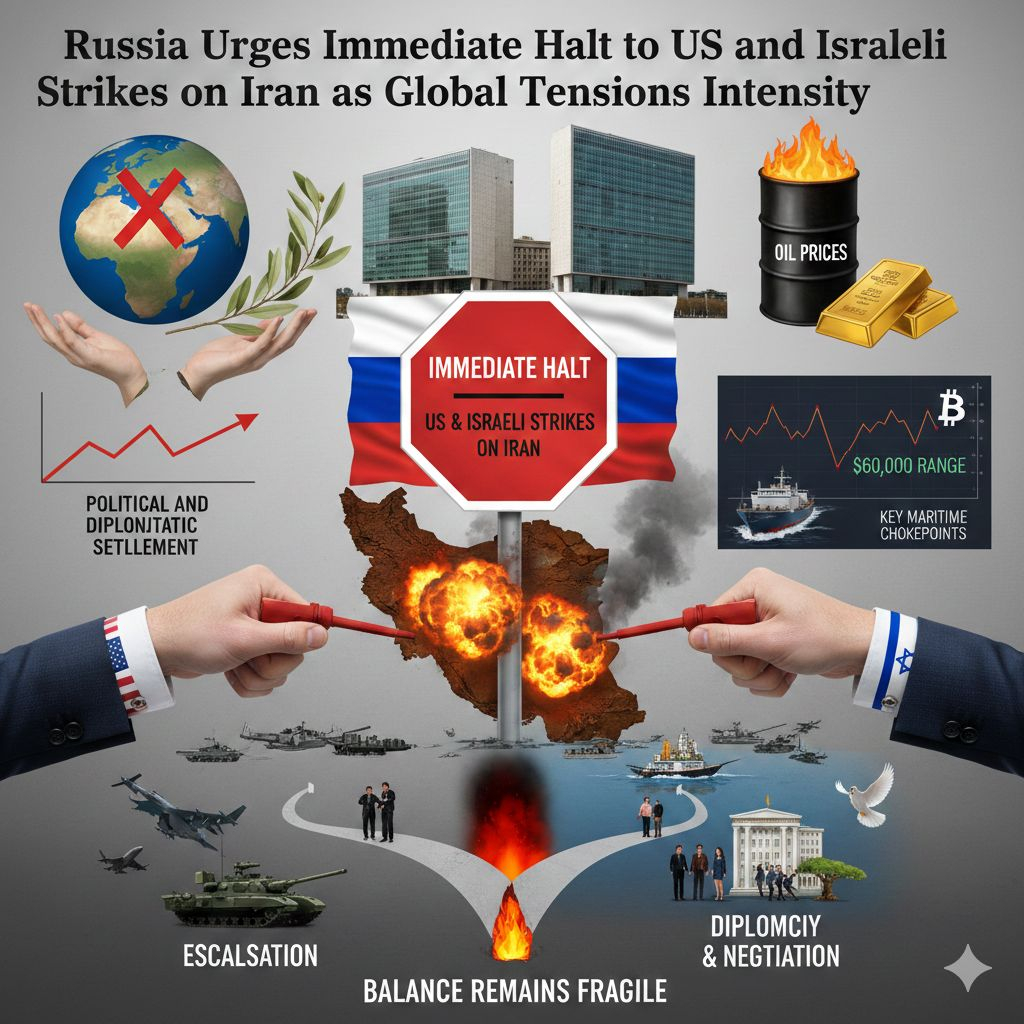
Russia has formally called for an immediate cessation of military strikes conducted by the United States and Israel against Iran, marking a significant escalation in diplomatic rhetoric. In an official statement, the Russian Foreign Ministry emphasized that the situation must be “returned to the path of political and diplomatic settlement,” warning that continued military actions risk destabilizing an already volatile region.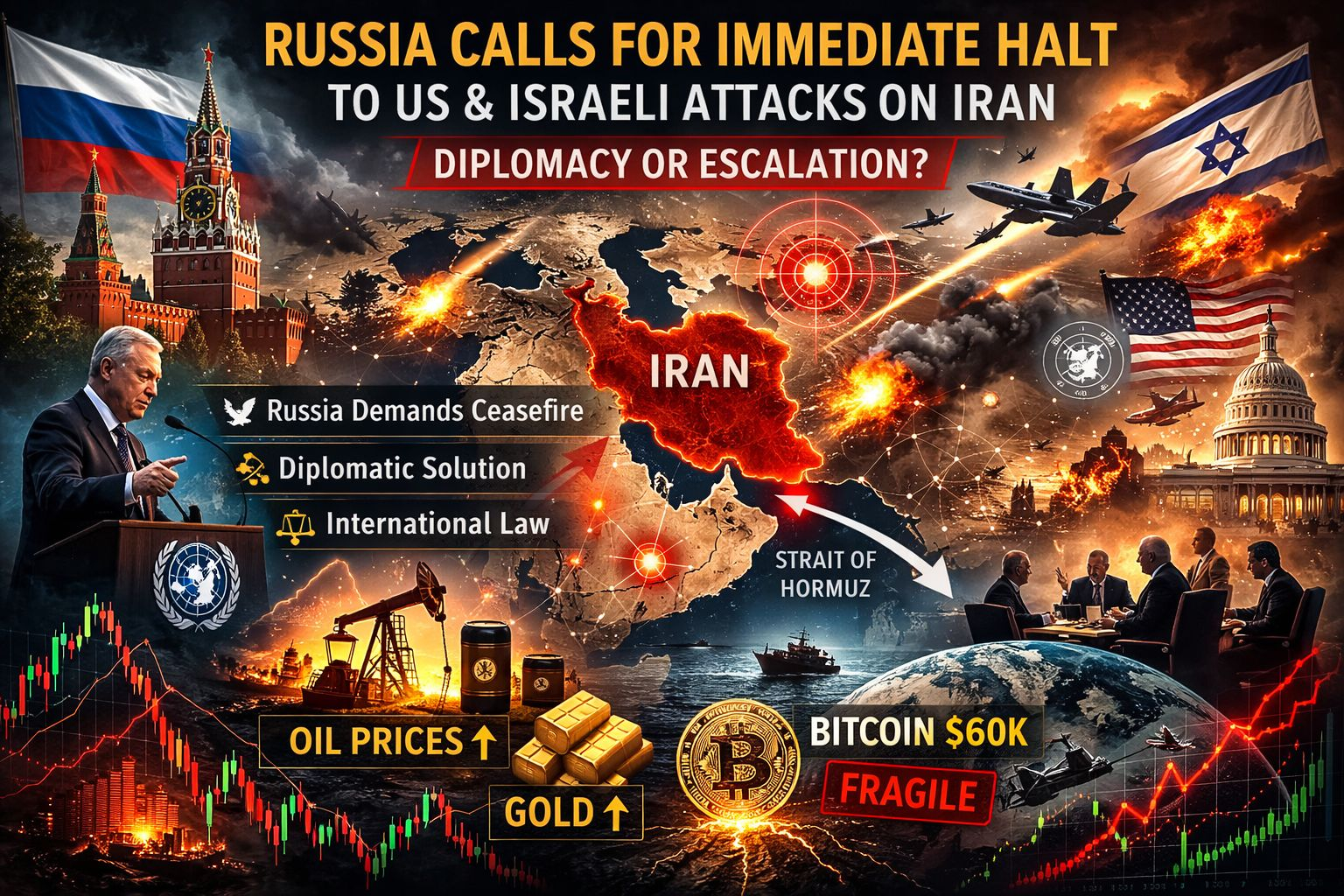
Moscow described the strikes as irresponsible and urged the international community to provide an objective assessment of developments on the ground. The statement reinforced Russia’s position that conflicts of this magnitude must be addressed through international law, mutual respect, and a balanced consideration of national interests. Russia also declared its readiness to assist in facilitating peaceful dialogue.
The geopolitical implications are substantial. When a major global power like Russia publicly opposes military operations involving the United States and Israel, the crisis transitions from a regional security issue to a broader strategic confrontation. The involvement of multiple state actors raises the probability of diplomatic standoffs within international institutions and increases the risk of miscalculation.
Energy markets have already reacted. Oil prices remain elevated amid concerns about supply disruptions, particularly given Iran’s proximity to key maritime chokepoints. Gold has strengthened as investors seek traditional safe-haven assets during periods of uncertainty. Bitcoin continues to trade in the low 60,000 range but appears vulnerable to further volatility if risk sentiment deteriorates.
The central issue now is whether diplomatic channels can be reopened before escalation accelerates. Military actions may provide short-term tactical outcomes, but prolonged confrontation could widen the conflict and draw additional actors into the theater.
With diplomatic pressure building and financial markets responding defensively, the coming days will be critical. The balance between escalation and negotiation remains fragile, and global stakeholders are closely monitoring whether restraint or retaliation will define the next phase of this crisis.