
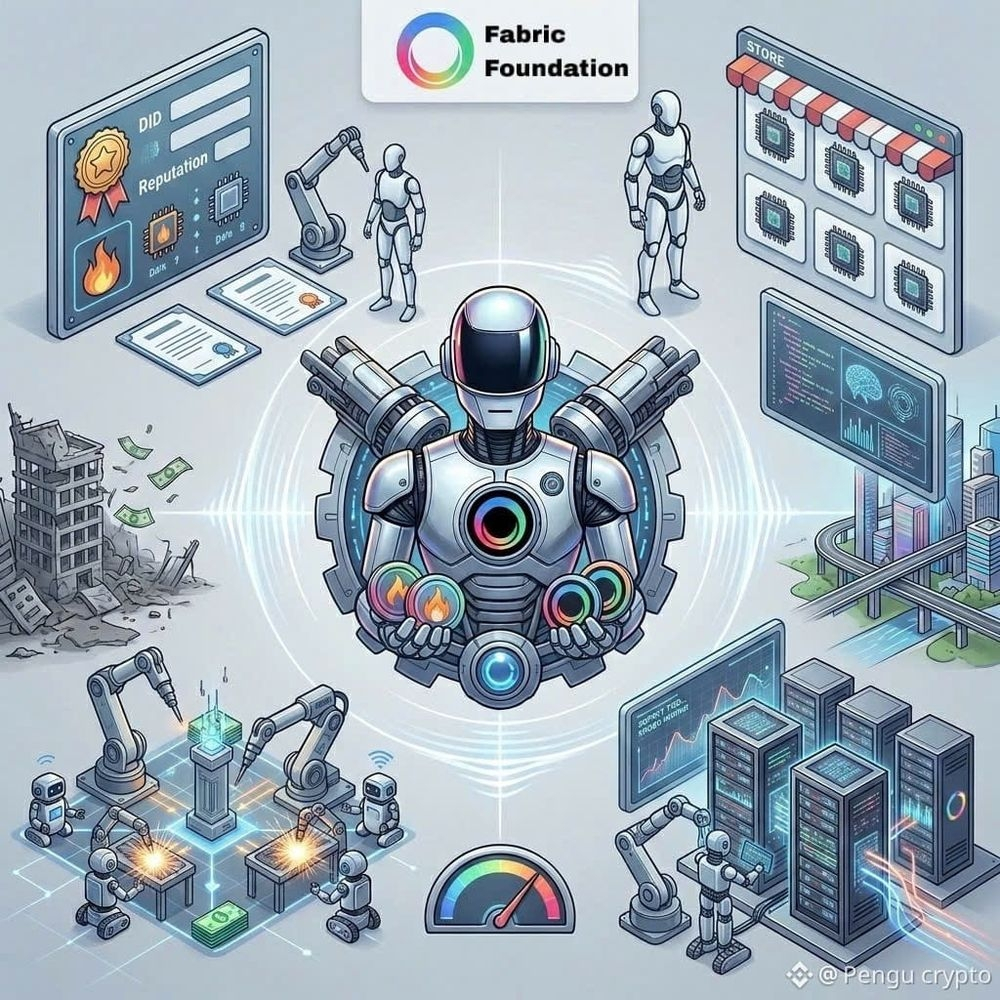
I want to sit with you for a while and talk about something at once quiet and huge. Imagine a world where robots and software agents are not mysterious black boxes but neighbors you can meet, check up on, and trust a little more every day. That is the aim behind the work of the Fabric Foundation and the open network it supports. They are building a shared space where machines can prove what they did, where people can see the trails those machines leave, and where whole communities can set and change the rules that govern machine behavior. This is not a rush to make robots take over. It is an attempt to help all of us live with them in a way that feels safer and more human.
At the heart of the network is a simple feeling we can all relate to. When something you do affects others you want it to be fair and clear. Fabric tries to give that same feeling to machines. A robot in this system has an identity, a recorded history, and the ability to show small proofs that the work it did followed agreed rules. Those proofs are not big blobs of private data. They are short, checkable signals that say this action followed this rule at this time. When I read about this it calms me. It turns guessing and blame into facts you can inspect and learn from.
The network itself is made of parts that each do one job well. One part handles identities and registries so every robot, skill, and agent can have a name and a living record. Another part handles verifiable computing so work can be attested without giving away sensitive inputs. A governance layer helps groups decide rules and change them when needed. And an economic layer helps value move fairly between builders, operators, and communities. Because these parts are modular they can improve separately. That matters emotionally because it means no single group gets to decide everything for everyone. It means different places and teams can choose priorities that match their values and needs.
There are new features and tools the network brings that are important to understand. One is the idea of agent native infrastructure, which lets robots and software agents directly talk to the network in their own language. This makes the ledger not just a human record but a working memory that machines use to coordinate and be honest about their steps. Another feature is registries and certified skill stores where developers can publish abilities a robot can use. A business can pick a skill that has tests and proofs attached so they do not have to trust only words. There are also mechanisms to register a robot's hardware fingerprint and link it to permissions and responsibilities so devices cannot be swapped or faked without trace. These building blocks make everyday scenes like package delivery, care assistance, and automated repairs feel more accountable and less scary.
Money and coordination are part of the picture too, because work needs to be paid for and networks need incentives to stay honest. The protocol introduces a network asset used to pay fees, stake for security, and fund governance. This is built so that people who run nodes, verify proofs, and build useful skills can be recognized and rewarded. The network design also includes ways for the system to help bootstrap itself when new hardware or fleets come online, by using participation units or staking in the early phases so initial tasks can be allocated fairly. For many readers this raises strong feelings. Some will worry about tokens and speculation. Others will feel hopeful that builders and caretakers can earn a living while they help software and robots become safer. The key is that the system ties economic signals to real activity so value flows where real work happens.
Safety sits at the center of every design choice here. Were seeing more powerful models and more autonomous machines every month, and that means the cost of mistakes rises. Fabric treats alignment and auditability as engineering requirements, not optional extras. That means logs, proofs, and registries are meant to give auditors and communities true tools to test whether a robot behaved within safety limits, who changed a robot's policy, and exactly when that change happened. When things go wrong this record helps heal harm more quickly and fairly, because you have evidence to guide repair and better rules. The hope is that transparency, when done carefully to respect privacy, becomes a balm against fear and a spur to responsibility.
I know this raises honest questions that tug at our feelings. Who gets to write the rules? How do we protect private data while still allowing proof of correct action? What if people game the proofs or rig votes? Fabric does not pretend these are solved. It offers a place to work on them together. Governance is built into the network so rules can be proposed, debated, and updated. Communities can set thresholds, audits, and checks that fit their context. This is not a finished morality. It is a workshop where many hands can shape the tools and the limits. That model makes me feel less alone as we figure out the future.
Let us talk about the near future in plain scenes so the idea stops feeling abstract. Picture a small grocery store that uses a robot to fetch shelves and bring them for restocking. The robot is registered on the network. Its stocking skill has a test suite that runs on the ledger. When it completes a task the system produces a proof that the task met safety and timing rules. If a shelf falls and someone is hurt there is a clear, inspectable trail to understand what failed and who should fix it. Or picture a neighborhood delivery robot whose route choices are governed by a public policy the local community agreed on. If you do not like those rules the community can vote to change them tomorrow. Those moments matter because they turn frustration into repairable facts and give people tools to act, not just to complain.
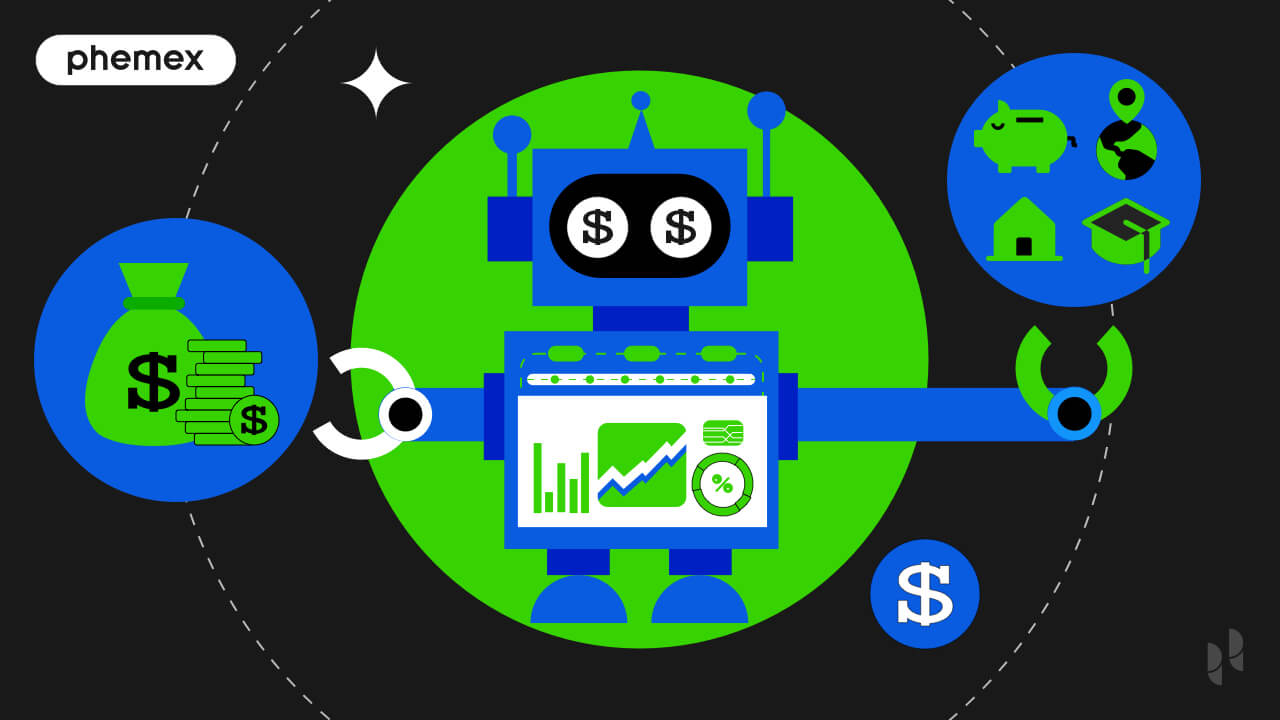
There are features rolling out and planned that show how the network is trying to be practical. Live registries, verifiable skill markets, hardware activation processes, staking and participation primitives, and audit toolkits are all part of the roadmap. There are also early community steps such as portals to register for participation or to claim early access so builders and curious people can join tests. The roadmap emphasizes steady work, safety audits, and transparent governance rather than a sudden launch and vanish approach. That makes me feel like they are trying to grow the network in a way that respects the people who will live with these machines.
If you are wondering how to join or how to help, there are clear and kind ways in. Developers can build skill tests and publish verifiable packages. Operators can run nodes to verify proofs and help secure the network. Auditors and researchers can design safety checks and reusable policy modules. Everyday people can join governance discussions or local pilots so the rules reflect a wide range of views, not just a few voices. None of this requires perfection from day one. It asks for curiosity, care, and a willingness to try small things in public and learn. That path is not easy, but it is human.
Finally I want to leave you with what moves me most about this work. At its best this project is not trying to make us passive users of smarter machines. It is trying to make us stewards. It asks us to build systems where machines can show their steps, where people can ask for reasons, and where communities can change how machines behave as we learn more. We are not building a future where decisions hide behind locked code. We are trying to build a future where machines earn our trust a little more every day, and where that trust can be checked with simple proofs and shared records. If that sounds hopeful to you then this work matters in a very human way.
Sources for the statements above, chosen so you can read more if you want
The Fabric whitepaper which lays out the protocol design, proofs, registries, and governance model.
The Fabric Foundation blog posts that explain ROBO, participation portals, and the project roadmap.
A focused discussion on how verifiable proofs and on chain context address disputes in real work like delivery and inspection.
A technical view on the modular network and how tokens and staking are used to coordinate network activity.
An extended write up that explains agent native infrastructure and how agents interact with the ledger in real time.
If you want I can now do one of these next steps for you without delay. I can write a clear simple checklist that shows how a developer would publish a skill and attach verifiable tests. Or I can write a friendly guide that explains the token, staking, and participation units in plain steps with examples. Pick one for me to do right now and I will build it out in full.
@Fabric Foundation #ROBO $ROBO
