
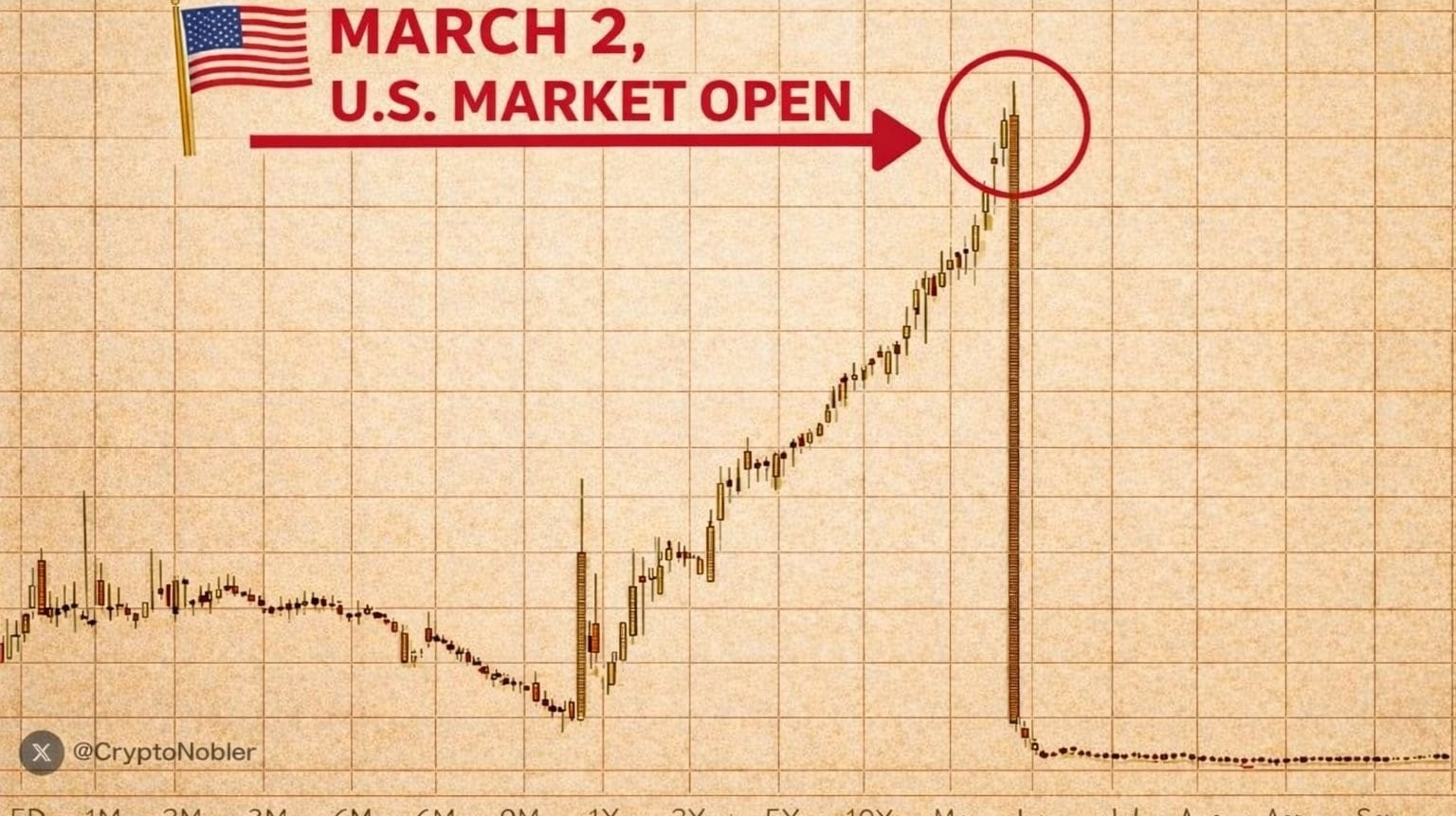
Kluczowy punkt: Około 20% światowej podaży ropy naftowej przechodzi przez Cieśninę Ormuz, wąski punkt wąskiego gardła. Jeśli transport tam jest zagrożony przez konflikt, ceny już reagują. �
Reuters
Ropa wzrosła o około 10% w kierunku 80 dolarów za baryłkę w odpowiedzi na konflikt z Iranem i obawy o zakłócenia w dostawach. �
Reuters
Analitycy ostrzegają, że dalsze napięcia mogą doprowadzić cenę ropy Brent do 100 dolarów za baryłkę lub wyżej, jeśli szlaki dostaw zostaną zakłócone. �
Business Insider
Rynki obserwują wzrost kosztów transportu i premii ryzyka wojennego, co również wpływa na ceny ropy. �
Business Insider
Co mówią ekonomiści:
Nawet napędzany strachem wzrost cen (przed fizycznym zakłóceniem) może znacznie podnieść ceny. �
AP News
Utrzymująca się lub rzeczywista blokada w Hormuzie zaostrzyłaby podaż i podniosłaby ceny jeszcze bardziej. �
AP News
📈 Inflacja & wstrząs gospodarczy
Jak wyższe ceny ropy wpływają na inflację:
Koszty energii wpływają na ceny dla konsumentów: Wyższe ceny ropy na ogół podnoszą koszty paliwa i transportu, co z kolei zwiększa inflację dla gospodarstw domowych i firm. �
Reuters
Banki centralne reagują na inflację: Jeśli oczekiwania inflacyjne wzrosną, banki centralne mogą utrzymać stopy procentowe na wyższym poziomie przez dłuższy czas, co wpływa na koszty kredytów i wzrost gospodarczy. �
AP News
Eksperci zauważają, że nawet tymczasowe wstrząsy mogą zmienić trajektorie inflacji, jeśli rynki wyceniają długoterminowe ryzyka. �
AP News
📉 Rynki finansowe & aktywa ryzykowne
Aktywa ryzykowne, takie jak akcje technologiczne i kryptowaluty, często reagują negatywnie w czasie napięć geopolitycznych, ponieważ są postrzegane jako aktywa o wyższym ryzyku i wyższej zmienności:
W okresach zwiększonej niepewności inwestorzy mają tendencję do przestawiania się na bezpieczniejsze aktywa (takie jak obligacje rządowe i złoto), co zmniejsza popyt na ryzykowne akcje i aktywa cyfrowe. �
Business Insider
Rynki kryptowalut w szczególności często poruszają się gwałtownie w wydarzeniach związanych z zmiennością, nie dlatego, że technologia stojąca za nimi jest nieodpowiednia, ale ponieważ traderzy sprzedają pozycje, aby zachować płynność. To jest zgodne z szerszym zachowaniem rynku w czasie napięcia. �
Business Insider
📦 Koszty transportu & globalnego handlu
Transport i fracht:
Konflikt w pobliżu Hormuzu również podnosi koszty ubezpieczenia transportu i frachtu, ponieważ przewoźnicy unikają stref ryzyka. Wyższe koszty transportu mogą wpływać na ceny konsumenckie na całym świecie, nie tylko na ceny ropy. �
Khaleej Times
Niektórzy operatorzy statków już zmieniają trasy lub unikają regionu, co zaostrza zdolności transportowe. �
S&P Global
🧠 Czas trwania vs. Wielkość wstrząsu
Komentarz rynkowy rozróżnia między:
Krótkoterminowe wzrosty cen — głównie napędzane strachem i przestawianiem się. �
AP News
Strukturalna repricing — gdy konflikt trwa wystarczająco długo, aby zagrozić rzeczywistym szlakom dostaw lub zaufaniu inwestorów. �
AP News
Jeśli konflikt się zaostrzy lub utrzyma, analitycy twierdzą, że rynki mogą zacząć przechodzić od reagowania na krótkoterminowe nagłówki do wyceny długoterminowego ryzyka gospodarczego, co może wpłynąć na inflację, stopy zwrotu i wyceny aktywów w szerszym zakresie. �
AP News
📌 Podsumowanie tego, co obserwują rynki
1. Ropa & dostawy energii — szczególnie Cieśnina Hormuz, krytyczna trasa dla globalnej ropy. �
2. Oczekiwania inflacyjne — wyższe koszty paliwa podnoszą ceny w szerszych częściach gospodarki. �
3. Stopy zwrotu z obligacji & płynność — podwyższone ryzyko inflacyjne może utrzymać stopy na wysokim poziomie i zaostrzyć płynność na rynku. �
4. Zmienność aktywów ryzykownych — akcje i kryptowaluty często spadają w czasie napięć geopolitycznych, gdy inwestorzy zmniejszają ryzyko. �
Reuters
AP News
AP News
Business Insider
💡 Podsumowanie:
Obecny konflikt już wpływa na rynki — głównie poprzez wzrosty cen ropy i efekty premii ryzyka na aktywach finansowych. Dłużej trwające lub poważniejsze zakłócenia (jak przerwy w przewozach) mogłyby wzmocnić te efekty i przenieść rynki z reakcji na krótkoterminowe wstrząsy do szerszej repricingu gospodarczego$BTC $ETH