
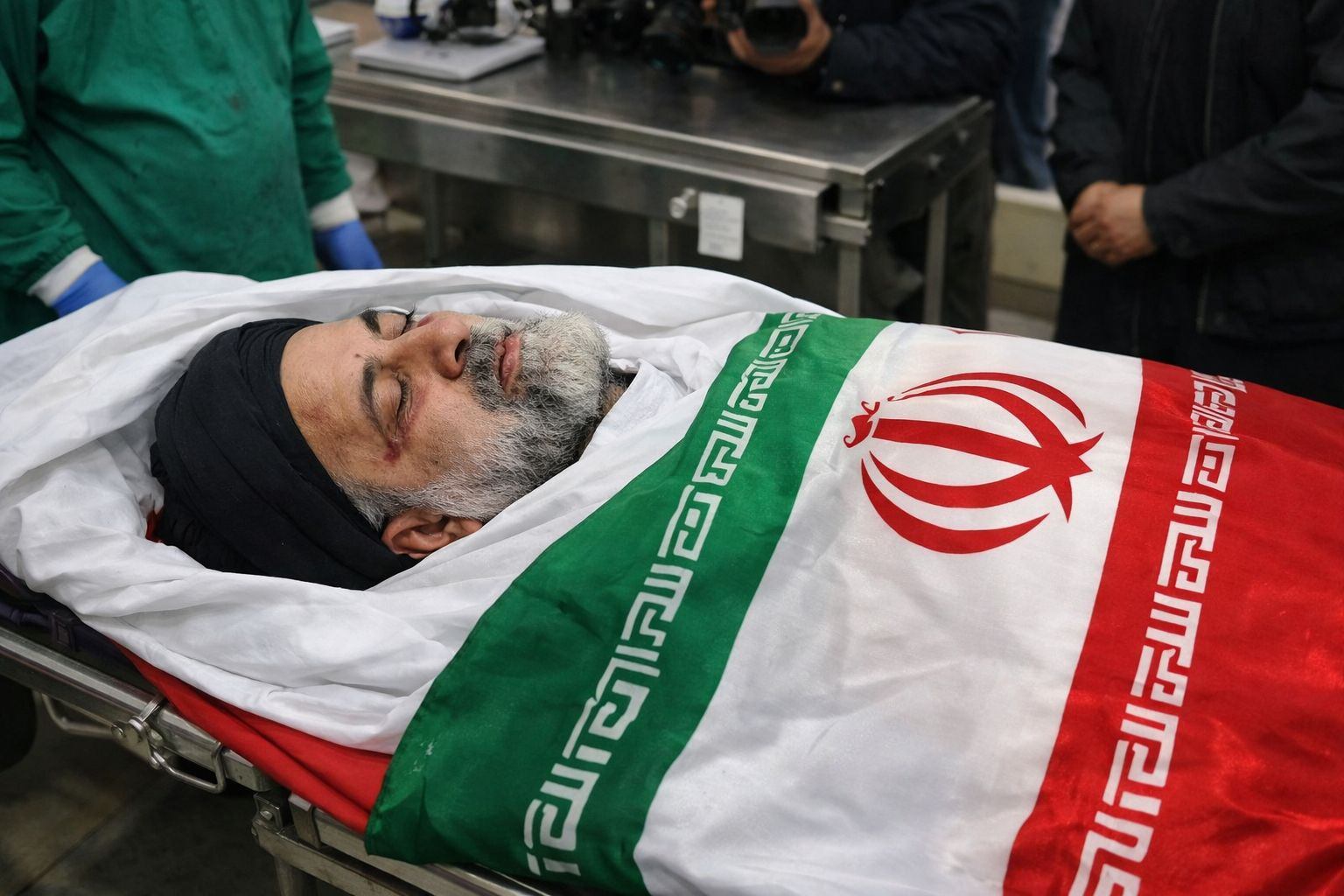

In recent days, the world has been gripped by reports surrounding the alleged death of Iran’s Supreme Leader, Ayatollah Ali Khamenei. Multiple news outlets and international observers have reported conflicting accounts, leaving the global community anxious about the geopolitical consequences. This article explores the verified details, the surrounding rumors, and the potential impact on Iran’s political landscape and the wider Middle East region.
The Verified News and Conflicting Reports
According to several sources, including state media in Iran and global outlets, Ayatollah Khamenei has reportedly passed away following targeted attacks in Iran. While some early reports suggested that the Supreme Leader was alive, subsequent confirmations by Iranian state television have led to widespread speculation about the future of the nation.
Key points include:
Reports of targeted attacks on high-ranking Iranian officials.
Initial denial followed by confirmation of Khamenei’s reported death.
A national mourning period declared, with government offices temporarily closed.
These conflicting reports highlight the uncertainty and instability in Iran, where information is often tightly controlled, and external reports can vary in accuracy.
Understanding Iran’s Political Hierarchy
To comprehend the significance of these reports, it is essential to understand Iran’s political structure:
Supreme Leader: The highest authority in Iran, overseeing the military, judiciary, and government policies.
President: The head of the government responsible for administrative functions but subordinate to the Supreme Leader.
The death of a Supreme Leader would represent a historic and transformative event in Iran, far exceeding the implications of the death of a President.
Geopolitical Ramifications
The potential death of Khamenei has far-reaching consequences:
Regional Stability: Neighboring countries, including Iraq, Syria, and the Gulf states, may experience heightened tensions. Military posturing and border security measures could intensify.
Global Markets: Uncertainty in Iran can impact oil prices and global energy markets, given the nation’s role as a major oil exporter.
Diplomatic Relations: Western countries, particularly the United States and EU members, are closely monitoring developments. This event may influence sanctions, negotiations, and regional diplomacy.
Why the Confusion Exists
Several factors contribute to the contradictory reports:
Media Restrictions: Iran controls most domestic media outlets, limiting independent verification.
Political Motives: Both internal factions and external powers may spread selective information to influence public perception.
Rapid Escalation: Ongoing military operations and strikes in the region complicate the verification of information.
These elements combine to create an environment where rumors and misinformation spread quickly, requiring careful analysis of credible sources.
International Reactions
World leaders have responded cautiously:
United States: Officials have emphasized the need for verification before issuing formal statements.
European Union: Leaders have called for restraint and diplomatic engagement.
Middle Eastern Neighbors: Mixed reactions, with some expressing concern over potential instability, and others advocating for a diplomatic approach.
The international community is acutely aware of the risks of regional escalation, which could trigger broader conflicts in the Middle East.
Implications for Iran’s Citizens
For ordinary Iranians, the reported death of Khamenei is a source of uncertainty and concern. Key impacts include:
National Mourning: Schools, government offices, and public services may close temporarily.
Economic Anxiety: Potential disruptions to trade, business, and employment.
Social Tension: Heightened security measures and political uncertainty may affect daily life.
Understanding the human impact is critical to fully appreciating the gravity of the situation.
Possible Succession Scenarios
If the reports are confirmed, the succession process is crucial:
Assembly of Experts: Responsible for selecting the next Supreme Leader.
Potential Candidates: High-ranking clerics and political figures with strong military or religious influence.
Political Factions: Competing internal factions could influence the decision-making process.
The succession will shape Iran’s domestic policy, regional strategy, and global relations for years to come.
The Role of Media in Crisis Reporting
The conflicting news about Khamenei’s reported death illustrates the importance of reliable media:
Avoid spreading unverified reports.
Analyze multiple sources to determine credibility.
Recognize the role of propaganda and misinformation.
Readers must approach news with a critical eye, particularly during politically sensitive periods.
SEO-Optimized Keywords
For online visibility, key phrases include:
“Ayatollah Khamenei death news 2026”
“Iran Supreme Leader reported dead”
“Middle East political crisis 2026”
“Iran geopolitical instability”
“Impact of Iran leader death”
Incorporating these keywords naturally throughout the article ensures better reach and search engine ranking.#IranConfirmsKhameneiIsDead #IranConfirmsKhameneiIsDead #BitcoinGoogleSearchesSurge