

When I first heard about Fabric Protocol and ROBO, I almost ignored it. Crypto has trained many of us to be suspicious whenever a big narrative is paired with a token. The “robot economy” sounds powerful, even inevitable. But powerful narratives don’t automatically create working systems. So instead of getting excited, I tried to look at it calmly and ask one simple question: is there a real problem here?
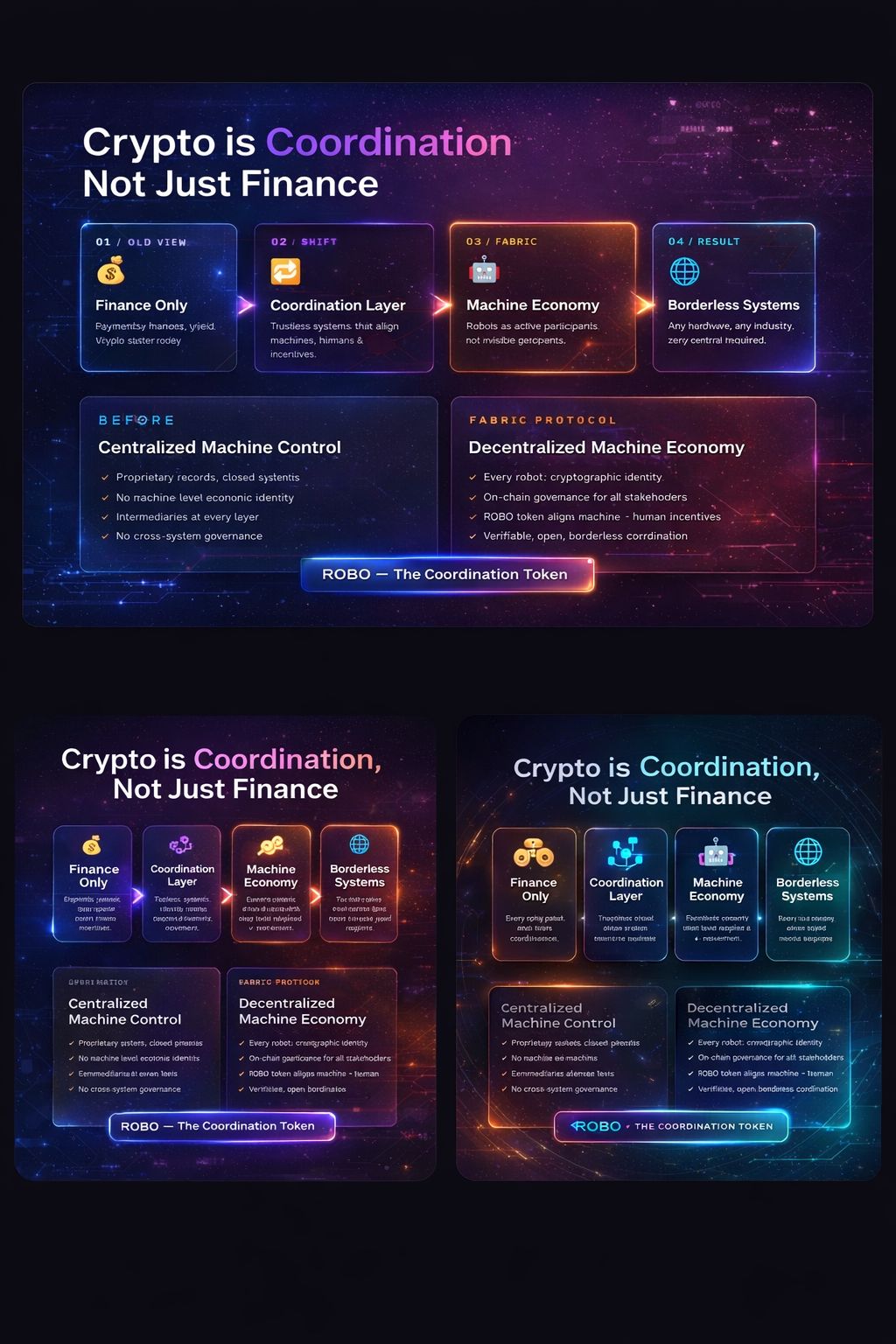
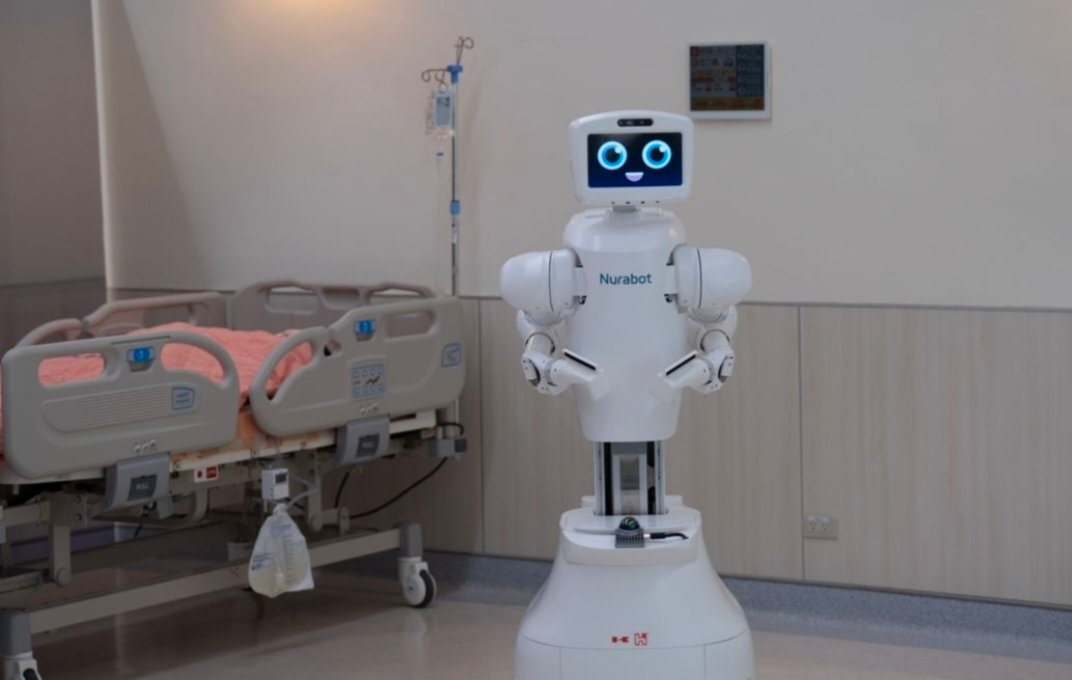
NoThe honest answer is yes. As AI systems begin to operate inside physical machines, we are entering unfamiliar territory. Robots making decisions in hospitals, warehouses, and public spaces cannot just be anonymous hardware. They need identity. They need a way to transact. And most importantly, they need accountability. If something goes wrong, there must be a transparent record of what happened and why. Right now, that infrastructure is fragmented or controlled by private companies.
Fabric’s idea of using a public ledger to give machines verifiable identity and traceable activity is interesting because it targets this exact gap. It acknowledges that autonomous systems cannot rely on traditional banking or legacy legal structures designed for humans. In that sense, the vision feels grounded.
Where things become uncertain is around the token. Incentives can create short-term excitement, but they don’t always create long-term demand. Real value will only appear if developers build without being paid to hype, and if robots are registered because the system is useful — not because rewards are available. That’s the difference between a trend and a foundation.

For me, the real question isn’t price. It’s durability. If Fabric continues to grow when incentives fade, then it’s solving something real. If activity disappears when rewards stop, then it was just another well-packaged story.
@Fabric Foundation #ROBO $ROBO
