
@Fabric Foundation The first time I heard about Fabric Protocol, I didn’t react with excitement. I reacted with a kind of quiet pause. After watching enough crypto projects arrive with bold promises and dramatic timelines, you develop a reflex. You look for the gap between what is being said and what is actually being built. Fabric didn’t feel like it was trying to impress me. It felt like it was trying to solve something that most people don’t notice until it becomes a problem.
Robotics today carries this image of precision and intelligence, but behind that image, the coordination is often messy. One company builds the hardware. Another team maintains the software. Data comes from different environments. Regulators observe from a distance, stepping in when something goes wrong. Each participant keeps its own records, its own version of events. For a long time, that was enough. Robots stayed in controlled spaces. Their tasks were predictable. But as machines move into shared human environments, the complexity increases quietly. It’s no longer just about whether the machine works. It’s about how decisions are tracked, who is responsible for updates, and how trust is maintained when many hands are involved.
Fabric seems to start from that tension. Instead of focusing on making robots smarter or faster, it focuses on how the people and institutions around them stay aligned. The idea of using a public ledger isn’t presented as a revolution. It’s more like a shared notebook that everyone agrees to write in. A place where updates, changes, and governance decisions are recorded in a way that can’t simply be rewritten later. There’s something almost old-fashioned about that instinct. Before building more power, build clearer memory.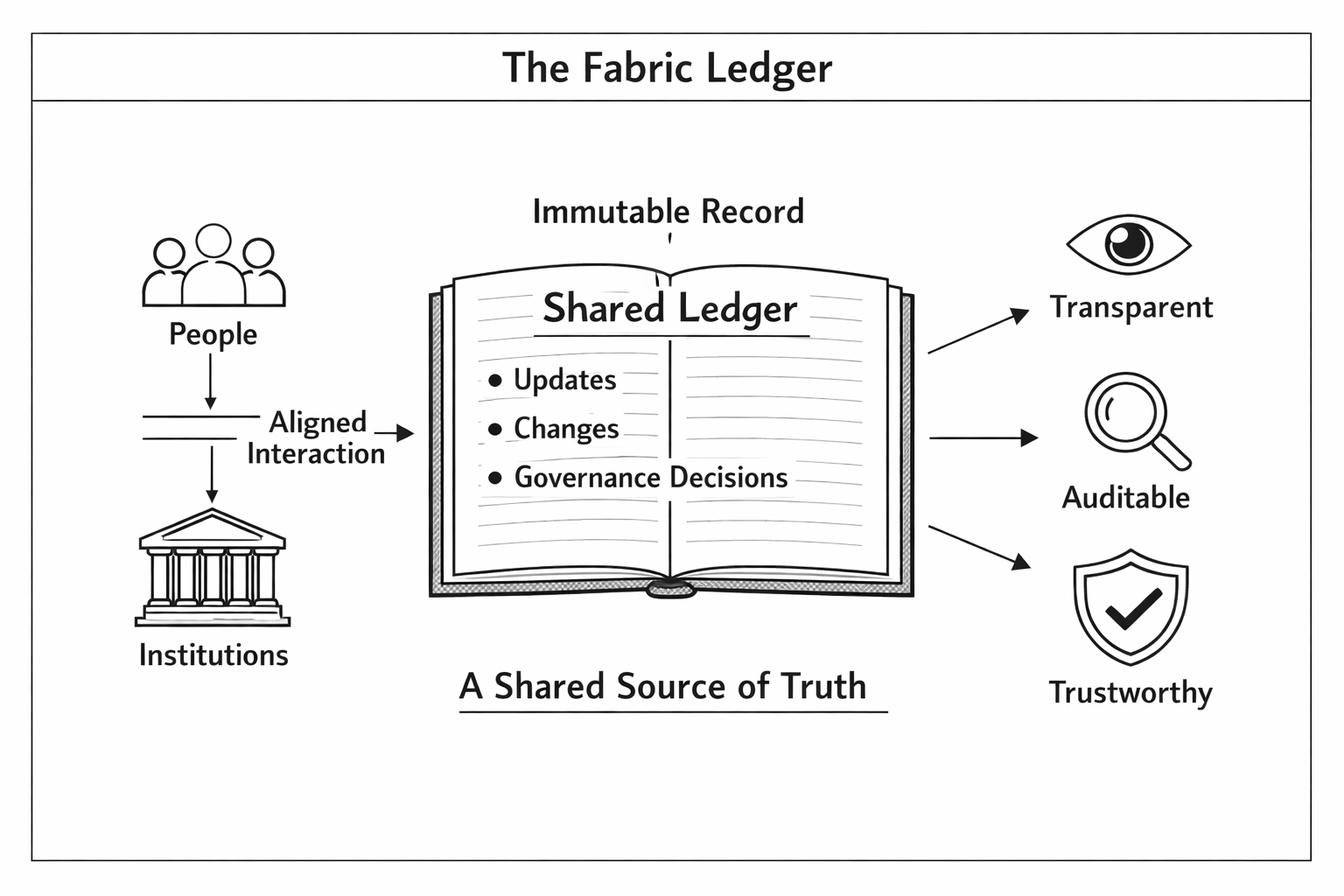
What struck me is that Fabric doesn’t treat trust as an emotional concept. It treats it as something structural. In fragmented systems, misunderstandings accumulate slowly. A software patch gets deployed in one region but not another. A hardware revision isn’t documented consistently. An oversight body receives partial data. Nothing catastrophic happens immediately, but the system grows brittle. Fabric’s response is to create a single layer where those actions are anchored. It doesn’t eliminate human error or disagreement. It just reduces the fog.
There’s a trade-off embedded in that choice. Shared infrastructure means shared visibility. That can slow things down. It can also make participants uncomfortable. Companies are used to operating within controlled boundaries. Opening coordination to a public framework requires a shift in mindset. Fabric seems willing to accept slower momentum in exchange for clearer accountability. That’s not always a popular decision in markets that reward speed. But in environments where machines interact with real people, speed without clarity can become risky.
What I also find thoughtful is what Fabric avoids doing. It doesn’t try to dictate how robots should be built. It doesn’t attempt to standardize creativity out of the ecosystem. The hardware can evolve independently. The applications can vary. Fabric stays in the background, focusing on the connective layer. That restraint feels deliberate. In earlier crypto cycles, projects often tried to own the entire stack. Here, the ambition feels more contained, almost patient.
Growth in something like this will never look explosive. Robotics adoption is tied to contracts, compliance, real-world testing. Integration happens through conversations and careful pilots. Fabric’s expansion will likely mirror that reality. It won’t trend on social media because a new partnership was signed. It will grow through slow institutional trust. For some observers, that might look like stagnation. For others, it looks like durability forming quietly.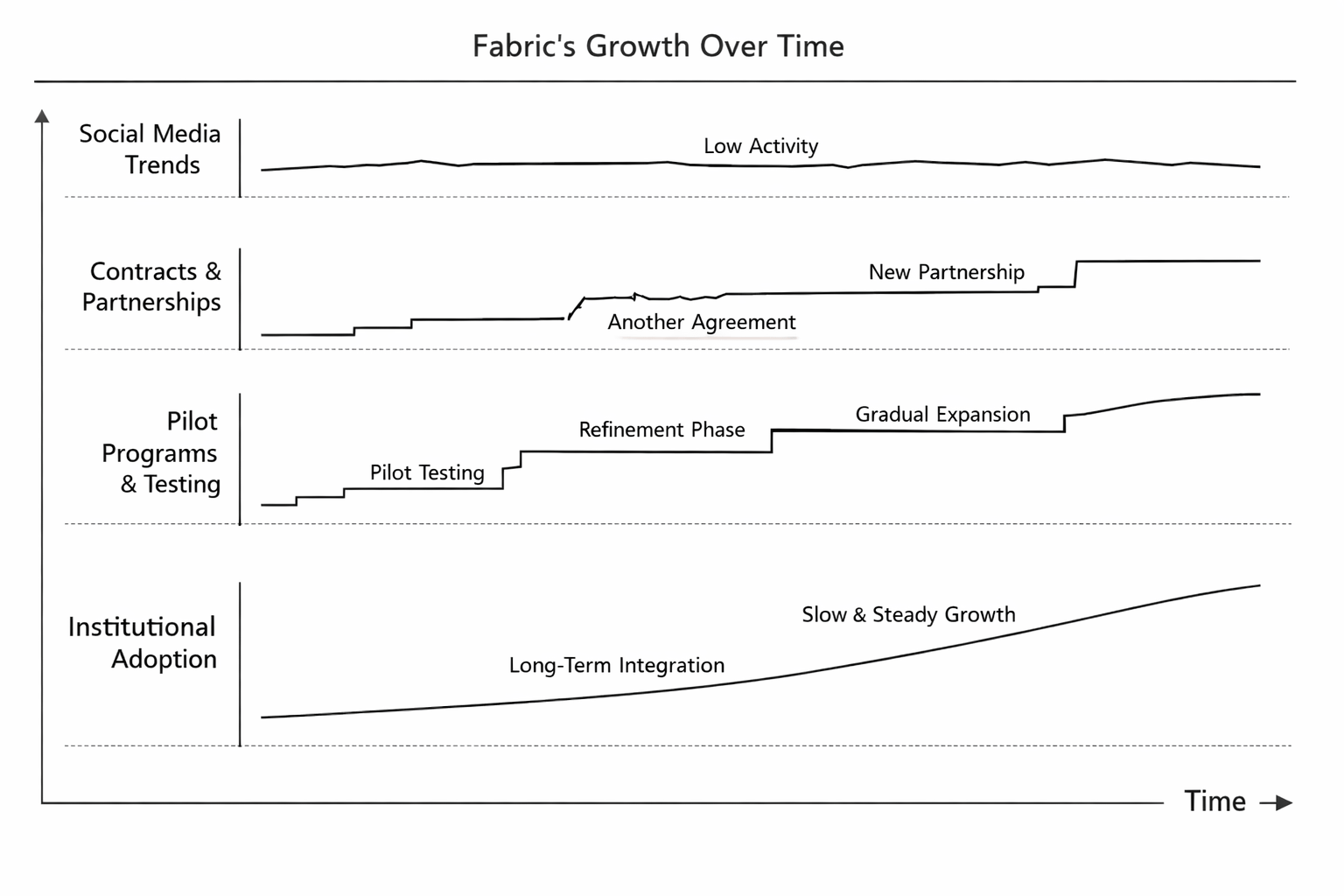
There are still open questions, and they matter. Governance structures can drift over time. Foundations depend on people, and people change. Incentives need to be clear. Why should competitors collaborate on shared coordination? The answer can’t just be philosophical. It has to be practical. If Fabric genuinely reduces friction and simplifies oversight, participation will feel rational. If it adds overhead without visible benefit, enthusiasm will fade.
Transparency itself is complicated. Recording actions immutably creates accountability, but it also creates exposure. Not every mistake needs to become permanent public history. Balancing openness with practicality will require care. The ledger can document what happened, but it doesn’t resolve the human side of correction and growth. That responsibility remains outside the protocol.
What makes Fabric feel relevant, at least to me, is its tone. It doesn’t speak loudly. It doesn’t promise to transform robotics overnight. It assumes that the future will be complex and that coordination will matter more than spectacle. After watching cycles where narratives outran infrastructure, that restraint feels grounded.
I don’t know whether Fabric will become foundational infrastructure or remain a specialized layer used in certain sectors. Both outcomes are possible. But I do sense that the problem it addresses is real. As machines become more capable, the challenge shifts from building them to managing them together. Fabric is an attempt to prepare for that shift, not by predicting the future, but by making shared responsibility easier to navigate.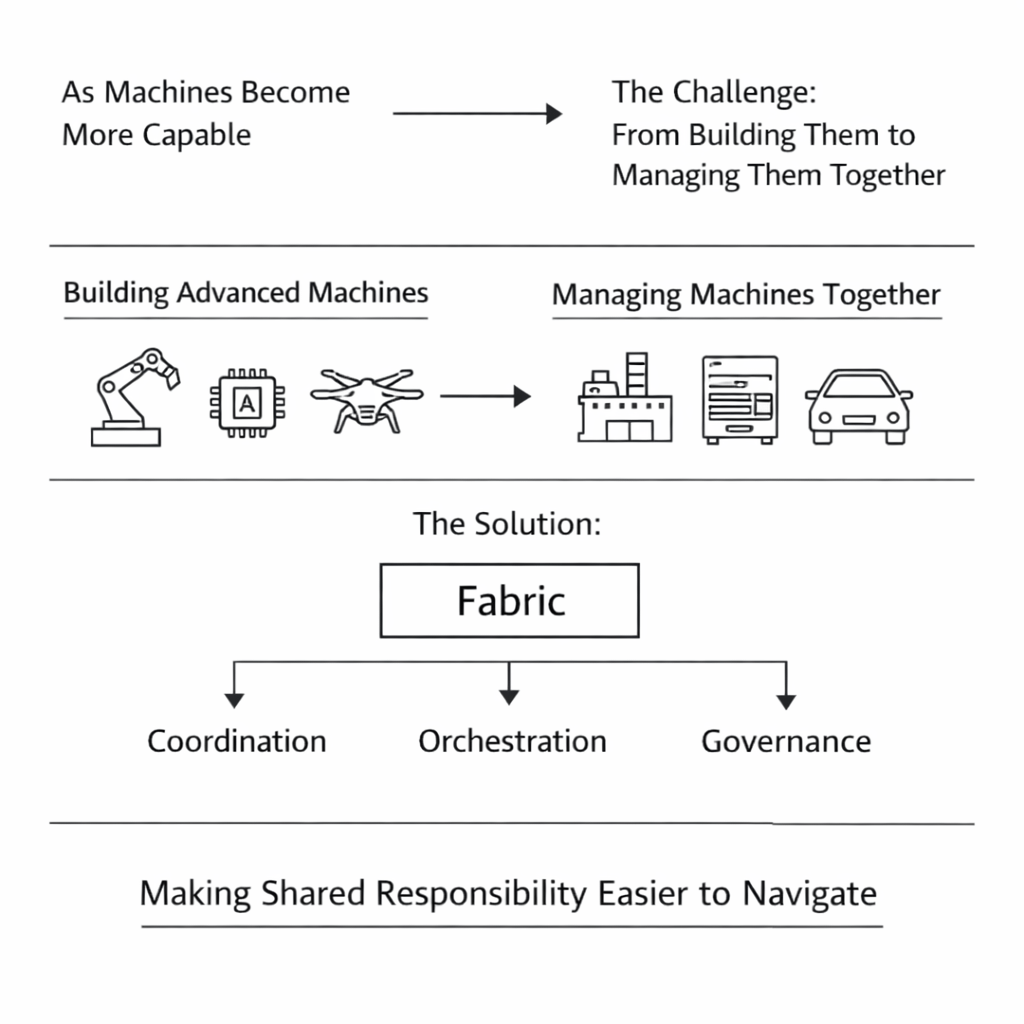
There’s something steady about that approach. It doesn’t chase attention. It builds structure. And in systems that are meant to last, structure often matters more than noise.