
I don’t look at ROBO as a thematic robotics token; I see it as a coordination primitive embedded inside a much harder problem — how autonomous machines transact, validate work, and resolve disputes without relying on centralized control. Fabric Foundation is approaching robotics as an economic system rather than a hardware race, and that framing changes everything. Capability is no longer the bottleneck; coordination is. Machines can already execute tasks, analyze environments, and make decisions. What they lack is a neutral settlement layer that enforces performance, aligns incentives, and anchors accountability. $ROBO exists precisely in that gap.
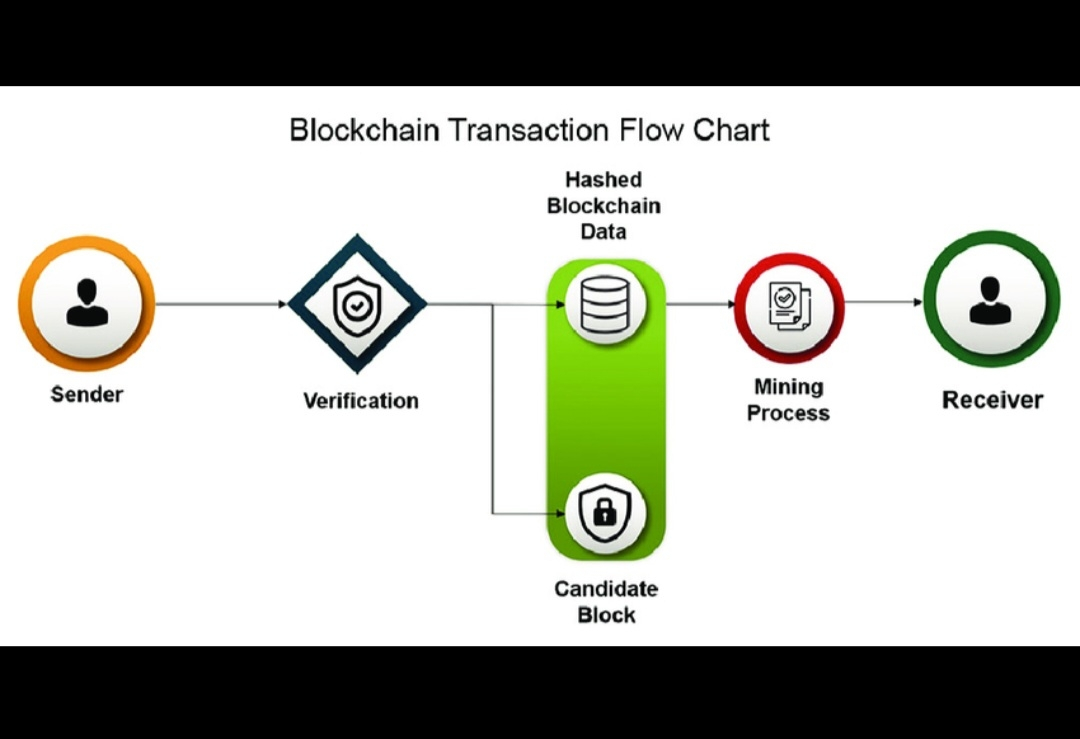
When a robot or autonomous agent completes a task inside a decentralized network, completion cannot simply be assumed — it must be validated under defined rules, and that validation must carry economic weight. Staking introduces that weight. Validators risk capital, attest to outcomes, and are exposed to slashing or reward depending on accuracy. That is not cosmetic token utility; it is enforceable coordination logic. The result is a robotics network where execution, verification, and settlement form a closed economic loop.
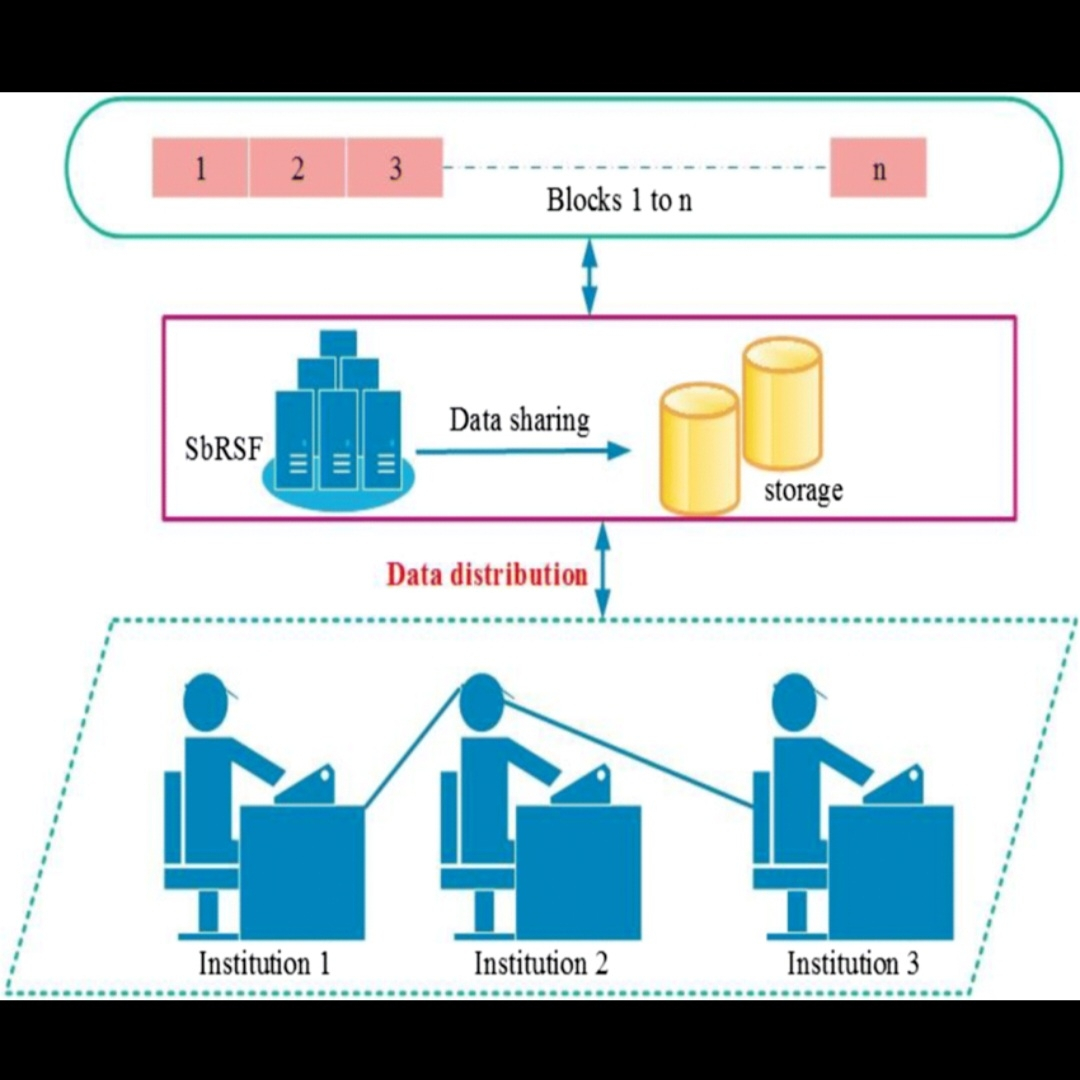
The structural importance of this model becomes clearer as robotics scales. Warehouse automation, drone fleets, distributed manufacturing, and AI-driven agents will increasingly operate across fragmented environments. Without a shared verification and incentive layer, each network becomes a silo with proprietary trust assumptions. Fabric’s architecture treats validation as a protocol-level function rather than an internal company process. ROBO secures that function by bonding capital to correctness. Governance mechanisms then allow stakeholders to evolve task definitions and system parameters without breaking neutrality.
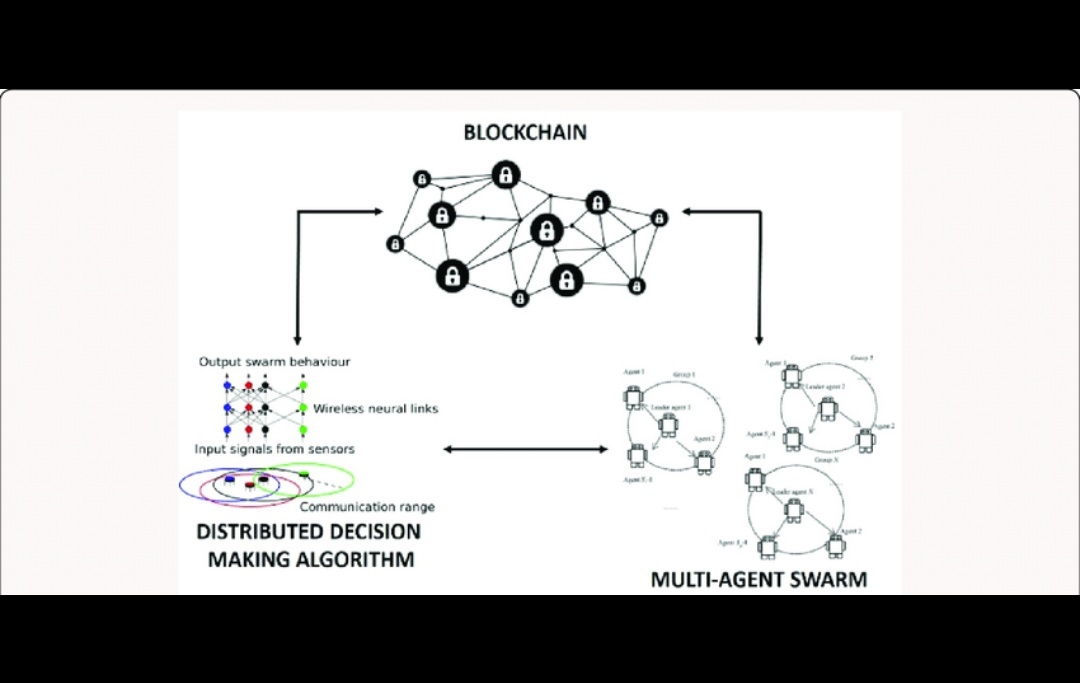
I focus on enforceability when evaluating infrastructure, and here the enforcement is economic: dishonest reporting becomes irrational, honest participation becomes rational, and coordination becomes programmable. If autonomous systems are going to form open, interoperable networks rather than closed platforms, they will require settlement-grade primitives that align machines the way markets align humans. $ROBO is being positioned as that primitive — not a narrative extension of robotics innovation, but the economic substrate that makes decentralized machine collaboration viable at scale.