
Introduction
When I first encountered $ROBO and the vision behind the Fabric Foundation, it looked like another ambitious Web3 launch: a token, decentralization rhetoric, and bold claims about a “robot economy.” But a deeper look reveals something more radical. Fabric is not merely launching crypto infrastructure — it is attempting to redefine robots as economic actors.
The core proposition is striking: robots should possess blockchain-based identities and wallets, enabling them to earn, transact, and operate across borders. If machines can autonomously buy energy, pay for maintenance, or execute contracts, they cease to be passive tools and become participants in markets.
This raises profound questions:
What happens to human labor when robots compete directly in marketplaces?
Who captures the value robots generate?
Can decentralization meaningfully reduce inequality — or will it simply digitize existing hierarchies?
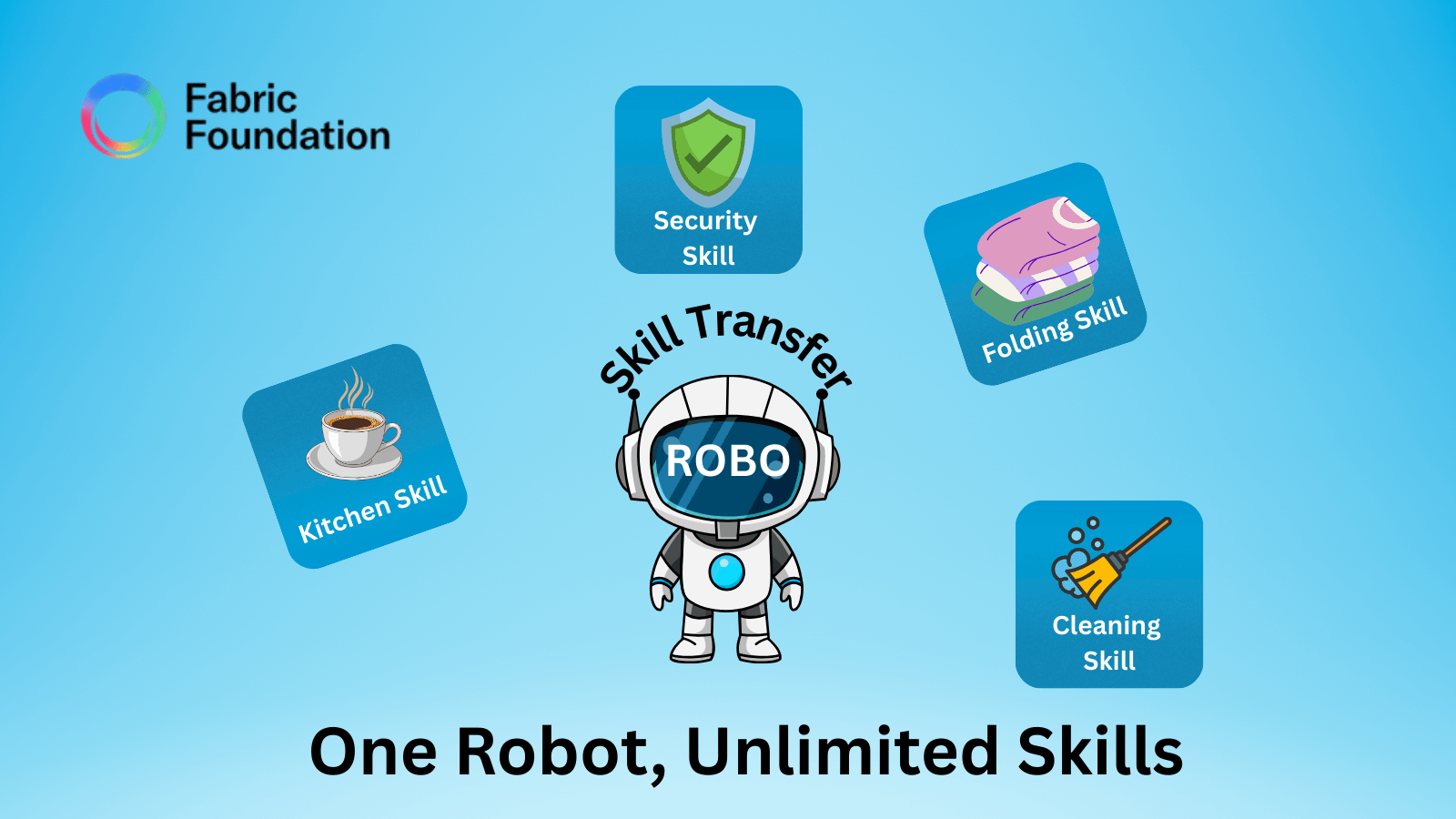
Why Give Robots Bank Accounts?
Today, robots are property. They cannot open bank accounts, sign contracts, or hold assets. Fabric challenges this limitation by proposing verifiable on-chain identities for machines.
Blockchain, in this framework, acts as a coordination layer between the physical and digital worlds. As robots increasingly perform logistics, repairs, deliveries, and data collection, they must transact. Traditional financial rails are not built for autonomous machine-to-machine payments. Crypto systems are.
However, identity introduces liability. If a robot causes harm, who pays damages — the robot’s wallet, the owner, or the manufacturer? Granting machines financial agency forces legal systems to confront digital personhood, accountability, and insurance structures for non-human actors.
Labour in the Age of Machine Agents
Automation anxiety is not new. Research from Brookings Institution suggests that while robots can displace workers, they also transform tasks and create new roles. Some studies estimate that each industrial robot replaces several workers — yet long-term effects depend heavily on policy, retraining, and redistribution.
More subtle is the issue of meaning. Evidence indicates that robot adoption can erode workers’ sense of autonomy and purpose, especially in routine occupations. Even if new jobs emerge, transitions are uneven and often painful.
Fabric proposes community-owned robot fleets — sometimes described as “Robot Birthplace” models — where citizens collectively invest in robots and share revenue. This resembles a decentralized universal basic income funded by automation. It is an intriguing idea, but without built-in redistribution mechanisms, token concentration could undermine its promise.
Technological shifts historically create unrest before stability. The Industrial Revolution expanded wealth but also produced decades of inequality and labor conflict. A robot economy could repeat this pattern if human capital investment lags behind machine deployment.
Governance and Token Concentration
Fabric’s token distribution allocates substantial shares to ecosystem incentives, investors, and the core team. While vesting schedules may limit short-term selling, governance risks remain.
Blockchain governance research shows a common pattern: token-weighted voting often leads to power concentration among large holders. Without mechanisms like quadratic voting or strict caps, decentralization can quietly re-centralize.
If robot-generated wealth flows primarily to early token holders, the “robot economy” may resemble traditional capital concentration — simply automated.
Because robots produce tangible services — logistics, cleaning, healthcare assistance — governance decisions may directly impact essential sectors. The stakes are higher than typical DeFi protocols.
When Robots Hold Tokens
Allowing robots to earn and spend tokens unlocks new models:
Autonomous service providers that pay for electricity and maintenance.
Fractional ownership of robots via tokenization.
Revenue-sharing across global investors.
But autonomy introduces strategic behavior. Machines optimized for profit may cut corners unless reward structures emphasize quality and safety. Incentive design becomes critical.
Additionally, regulators will face novel dilemmas:
Can robots pay taxes?
Can they declare bankruptcy?
Can they own property independently?
Legal systems worldwide are unprepared for non-human capital actors.
Social Safety Nets and the Robot Dividend
Some proponents argue that robot profits can support displaced workers. Yet this outcome is not automatic.
A more structured approach would be a robot dividend — a tax or protocol-level levy on robotic income redistributed as universal basic income or invested in public goods. This idea mirrors resource-sharing models like the Alaska Permanent Fund, which distributes oil revenues to residents.
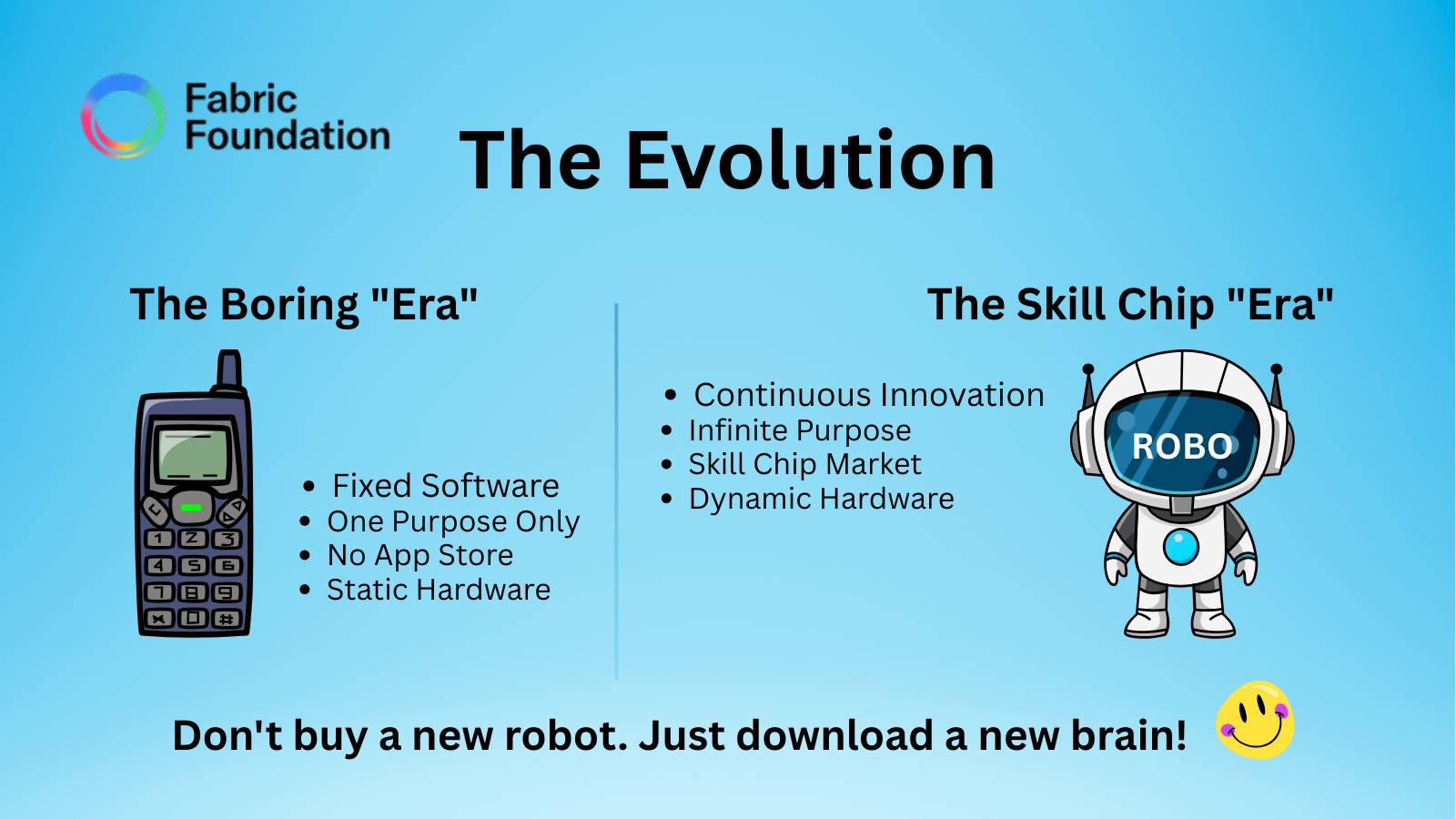
Automation relies on public infrastructure, research funding, and shared data. A dividend acknowledges that robotic wealth builds on collective foundations.
But income alone does not replace meaning. Studies show that displacement harms psychological well-being even when financial compensation exists. Retraining, education, and new civic roles are essential complements to redistribution.
Data: The New Intangible Asset
Robots generate continuous streams of data — sensor readings, navigation paths, user interactions. In the 21st century, data may be more valuable than hardware.
Fabric’s ledger model could authenticate and monetize these records. Transparent ownership and controlled marketplaces might emerge around robot-generated data.
Yet risks are significant:
Data ownership laws remain unclear in many jurisdictions.
Immutable ledgers conflict with privacy frameworks like GDPR.
Surveillance concerns intensify when machines operate in homes and hospitals.
Zero-knowledge proofs and off-chain storage may mitigate risks, but they increase complexity. Without strong safeguards, transparency could become pervasive surveillance.
Second-Order Effects
Even decentralized systems produce intermediaries. Identity providers, verification oracles, and leasing firms may emerge — potentially reintroducing centralization.
Platform dominance is another concern. If Fabric’s operating layer becomes ubiquitous, network effects could concentrate influence despite open-source claims. History shows that “open” ecosystems can still be dominated by a few actors.
Global equity also matters. Wealthy nations may deploy robotic infrastructure faster, widening the digital divide. Without international coordination, automation gains may accumulate disproportionately.
Conclusion
Fabric is not just another token launch. It is an experiment in redefining labor, capital, and machine agency.
Granting robots identities and wallets blurs the boundary between asset and worker. The outcome will depend less on technical capability and more on governance design, redistribution mechanisms, and policy foresight.
Decentralization alone does not guarantee equality. Without intentional safeguards, the robot economy could replicate existing wealth hierarchies — only faster and more efficiently.
The real challenge is alignment:
Aligning machine incentives with human well-being.
Aligning token governance with community benefit.
Aligning innovation with justice.
If designed thoughtfully, robot networks could expand prosperity. If not, they may simply automate inequality.