
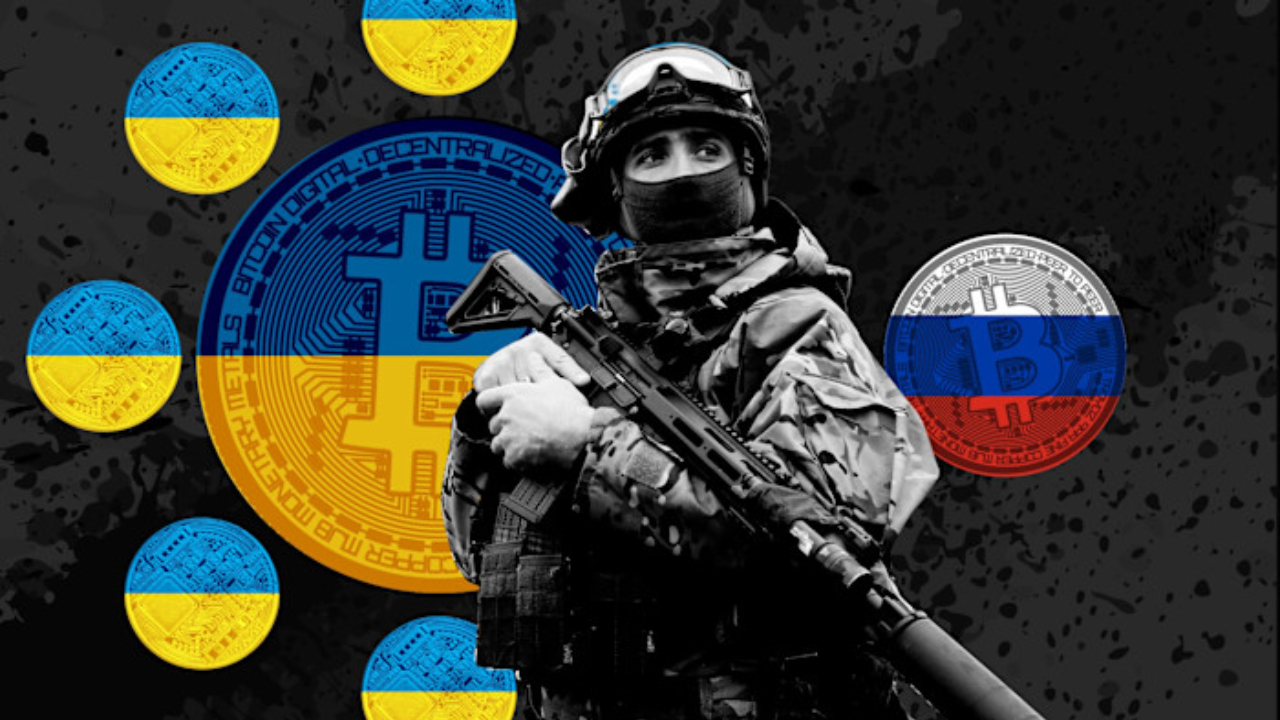
W zintegrowanej globalnej gospodarce 2026 roku tradycyjne powiedzenie, że "wojna jest zdrowiem państwa", zyskało wymiar cyfrowy. W miarę jak napięcia geopolityczne się zmieniają, rynek kryptowalut często pełni rolę barometru wysokiego ryzyka dla globalnego niepokoju i zmian finansowych. Dla początkującego zrozumienie, jak wojna wpływa na kryptowaluty, nie polega tylko na śledzeniu wykresów cenowych; chodzi o rozpoznanie, jak technologia zdecentralizowana wchodzi w interakcje z najstarszą formą ludzkiego konfliktu. Ten przewodnik bada wieloaspektowy wpływ wojny na ekosystem kryptowalut, od jej roli jako "zaworu ciśnienia płynności" po jej funkcję jako humanitarnej linii życia.
Przejście z aktywa spekulacyjnego do narzędzia geopolitycznego zasadniczo zmieniło sposób, w jaki Bitcoin i Ethereum zachowują się w czasie wojny. Chociaż wielu wczesnych inwestorów wierzyło, że krypto będzie "niezależnym" bezpiecznym przystaniem, dane z początku 2026 roku pokazują znacznie bardziej zniuansowaną rzeczywistość. Gdy konflikty wybuchają lub eskalują, często widzimy natychmiastową reakcję "ryzyka" w postaci spadków cen, gdy traderzy uciekają do bezpieczeństwa dolara amerykańskiego lub złota. Jednak często towarzyszy temu okres odporności, gdy unikalna użyteczność blockchainu — jego bezgraniczna natura i odporność na cenzurę — staje się głównym punktem zainteresowania. Zrozumienie tych dynamik pozwala na poruszanie się po rynku z jaśniejszą perspektywą na "niewidzialne ręce" globalnej polityki.
Natychmiastowy szok i zawór ciśnieniowy płynności
Pierwszym i najbardziej widocznym skutkiem dużego ataku wojskowego lub wypowiedzenia wojny jest ostry, nagły "flash crash" na rynku kryptowalut. Dzieje się tak, ponieważ zarówno inwestorzy instytucjonalni, jak i detaliczni zazwyczaj reagują na niepewność, sprzedając "ryzykowne" aktywa, aby zachować gotówkę. Pod koniec 2025 roku i na początku 2026 roku wydarzenia takie jak ataki na Bliskim Wschodzie spowodowały spadek Bitcoina o nawet 4% w ciągu jednego dnia, podczas gdy altcoiny doświadczyły jeszcze większych strat w dwucyfrowych procentach. Analitycy często opisują Bitcoina jako "zawór ciśnieniowy płynności" w tych czasach. Ponieważ rynek krypto działa 24/7, w przeciwieństwie do rynków akcji czy obligacji, jest to jedyne miejsce, gdzie inwestorzy mogą wyrazić swój strach i zlikwidować pozycje podczas weekendu lub świąt, prowadząc do wyolbrzymionych ruchów cenowych.
Ponadto, ta zmienność jest napędzana przez rynek instrumentów pochodnych, gdzie wysokolewarowane pozycje są "wypłukiwane" podczas początkowego szoku. Gdy dochodzi do niespodziewanego wydarzenia geopolitycznego, zautomatyzowane silniki likwidacyjne na giełdach takich jak Binance czy Bybit sprzedają miliardy dolarów w pozycjach "długich" (zakładach, że cena wzrośnie). Na przykład, w lutym 2026 roku, jedna godzina eskalacji geopolitycznej wywołała sprzedaż wartości ponad 1,8 miliarda dolarów. To tworzy efekt "wodospadu," gdzie cena spada znacznie niżej, niż wynikałoby to z samych fundamentów. Jednak słowa przejściowe, takie jak "przeciwnie," są tutaj ważne: po zakończeniu początkowych likwidacji rynek często znajduje tymczasowe dno, gdy rzeczywista podaż i popyt tokenów zaczynają odzwierciedlać ich rzeczywistą użyteczność w zniszczonym wojną środowisku.
Debata na temat bezpiecznego przystania i historyczna wydajność
Od lat narracja "złota cyfrowego" sugerowała, że Bitcoin będzie działał jako bezpieczne przystanie podczas wojny, podobnie jak złoto fizyczne. Rzeczywistość w 2026 roku jest taka, że ta właściwość jest "zależna od reżimu." Gdy warunki ekonomiczne są stabilne, krypto podąża za rynkiem akcji; ale gdy awersja do ryzyka osiąga ekstremalne poziomy, Bitcoin zaczyna wykazywać cechy bezpiecznego przystania. Historyczne dane z wojny rosyjsko-ukraińskiej w 2022 roku i napięć izraelsko-irańskich w 2025 roku pokazują, że chociaż Bitcoin często początkowo spada, to zwykle odbija się szybciej niż tradycyjne rynki akcji. Dla początkującego lekcją jest to, że krypto jest "aktywem zabezpieczającym" szczególnie w okresach wysokiego ryzyka, ale nie jest "magiczną tarczą," która pozostaje zielona, gdy świat jest w chaosie.
W 2026 roku obserwujemy "odłączenie" Bitcoina od tradycyjnych akcji wzrostowych w czasie wojny. Gdy indeks dolara amerykańskiego (DXY) rośnie z powodu popytu na bezpieczne przystanie, Bitcoin może mieć trudności, ale często przewyższa tradycyjne waluty w krajach bezpośrednio zaangażowanych w konflikt. Dla obywatela, którego lokalna waluta upada z powodu wojny i sankcji, roczny zwrot z Bitcoina wynoszący -17% może w rzeczywistości oznaczać ogromny wzrost siły nabywczej w porównaniu z ich lokalną gotówką, która doświadcza hiperinflacji. Ten status "relatywnego bezpiecznego przystanku" jest kluczową postacią: na początku 2026 roku, gdy tradycyjne rynki odnotowały 6% korekty, odporność Bitcoina w obliczu uderzeń na Bliskim Wschodzie pokazała, że jest on stopniowo akceptowany jako legitymna klasa aktywów do zarządzania ryzykiem geopolitycznym.
Krypto jako humanitarna linia życia dla cywilów
Być może naj"aktywniejszą" rolą kryptowalut podczas wojny jest ich wykorzystanie przez cywilów wplątanych w ogień krzyżowy. Gdy tradycyjne systemy bankowe zawodzą, bankomaty kończą się gotówką lub przelewy są wstrzymywane, zdecentralizowane protokoły pozostają operacyjne. Podczas głównych konfliktów na początku 2026 roku tysiące uchodźców używało stablecoinów takich jak Tether (USDT), aby przenieść swoje oszczędności przez granice na prostym telefonie komórkowym lub "frase seed" zapamiętanym w ich głowach. To eliminuje fizyczne ryzyko noszenia gotówki lub złota, które można skonfiskować lub stracić. Dla tych osób "rynkowa cena" Bitcoina jest mniej ważna niż "dostępność" sieci.
Ponadto, szybkość tych transakcji — często trwających mniej niż godzinę w porównaniu do 24 godzin lub więcej w przypadku tradycyjnych przelewów — ratuje życie. Organizacje charytatywne coraz częściej zwracają się ku krypto, aby wysyłać "mikro-dotyki" bezpośrednio do ludzi w strefach konfliktów. W cyklach konfliktów 2025-2026, zdecentralizowane struktury "DAO" (Zdecentralizowana Autonomiczna Organizacja) zebrały miliony na zaopatrzenie medyczne i żywność. To pokazuje przejście od krypto jako "spekulacyjnej zabawki" do stania się "kluczową infrastrukturą." Chociaż szerszy rynek może być w dół, wolumen "on-chain" w specyficznych regionach dotkniętych konfliktem często wzrasta, gdy ludzie przenoszą swoje pozostałe bogactwo w cyfrowe aktywa, aby uniknąć całkowitej straty, która wiąże się z upadającym lokalnym rządem.
Unikanie sankcji i Cień Gospodarki Krypto
Z drugiej strony, wojna podkreśla również ciemniejsze wykorzystanie kryptowalut jako narzędzia do "unikania sankcji." W 2026 roku, globalne instytucje nadzorcze, takie jak RUSI, zidentyfikowały to, co nazywają "Cieniem Gospodarki Krypto." Ukarańskie państwa i "reżimy pariasów" używają kryptowalut — szczególnie stablecoinów — do pozyskiwania "Wysokoprorytetowych Wspólnych Przedmiotów" (CHPIs) takich jak mikroelektronika i sprzęt nawigacyjny potrzebny do ich maszyn wojennych. Ponieważ stablecoiny pozwalają na transakcje powiązane z dolarem bez przechodzenia przez regulowany amerykański system bankowy, stały się preferowanym medium do "zakupów wojskowych," które w przeciwnym razie byłyby sygnalizowane przez kontrole zgodności.
Ta operacyjna rola krypto w gospodarkach wojennych doprowadziła do poważnego "zaostrzenia regulacji" w 2026 roku. Rządy coraz częściej celują w "miksery" i "tumblerów," które zaciemniają źródło funduszy. Jednak zdecentralizowany charakter technologii utrudnia całkowite zatrzymanie. Gdy międzynarodowe banki zaostrzają swoje kontrole, ukarani aktorzy poszukują "permisyjnych jurysdykcji," gdzie regulacje dotyczące krypto są luźne. Dla początkującego, to mówi, że wojna często przynosi falę "negatywnej regulacji" na rynek krypto. Gdy rządy widzą, że krypto jest używane do finansowania "złych aktorów," często reagują "całkowitymi zakazami" lub restrykcyjnym ustawodawstwem, które może obciążyć długoterminowy wzrost i adopcję rynku.
Wpływ na rynki wydobywcze i energetyczne
Wojna często wpływa na "fizyczną" stronę rynku kryptowalut: obiekty wydobywcze. Wydobycie wymaga ogromnych ilości energii elektrycznej, a wojna często celuje w sieci energetyczne i infrastrukturę energetyczną. Na początku 2026 roku operacje wojskowe w regionach bogatych w energię doprowadziły do znaczącej migracji "hash rate," ponieważ górnicy byli zmuszeni do zamknięcia lub przeniesienia swoich rigów do bezpieczniejszych krajów. Gdy hash rate spada, "bezpieczeństwo" sieci technicznie się zmniejsza, chociaż mechanizm "dostosowania trudności" Bitcoina zapewnia, że sieć pozostaje stabilna w czasie. Ta migracja może prowadzić do "krótkoterminowej presji sprzedażowej," gdy górnicy sprzedają swoje zmagazynowane monety, aby pokryć koszty przenoszenia lub utracone przychody.
Ponadto, ukarani krajami z dużymi zasobami energetycznymi często zwracają się ku "wydobyciu wspieranemu przez państwo," aby generować nowo wybite monety, które nie mają "skazanej" historii transakcji. Umożliwia to generowanie przychodów, które są całkowicie oddzielone od międzynarodowego systemu finansowego. W latach 2025 i 2026 widzieliśmy przypadki egzekwowania prawa zajmującymi obiekty wydobywcze używane przez sieci przestępcze do prania funduszy związanych z wojną. Lekcja tutaj jest taka, że wojna przekształca "zasób energetyczny" krypto w strategiczny atut. Jeśli wojna podnosi globalne ceny ropy i gazu, koszty wydobycia wzrastają, co może stworzyć "podłogę" dla ceny Bitcoina, ponieważ górnicy odmawiają sprzedaży swoich monet poniżej kosztów produkcji.
Zajęcia rządowe i rola giełd
Podczas wojny "neutralność" giełd kryptowalutowych jest poddawana ostatecznemu testowi. Rządy często wywierają presję na giełdy, aby zamrażały konta obywateli z ukaranego kraju. W konfliktach w 2025 roku, główne giełdy, takie jak Binance i Kraken, znalazły się w trudnej sytuacji: chciały zachować "decentralizowaną etykę" krypto, ale musiały dostosować się do prawa międzynarodowego, aby utrzymać swoje licencje operacyjne. Doprowadziło to do "masowej ucieczki" funduszy z centralnych giełd do "własnych" portfeli sprzętowych. Dla rynku, to jest obosieczna broń; zmniejsza "płynność" monet na giełdach, co może prowadzić do "ekstremalnej zmienności cen," gdy mała transakcja znacznie wpływa na cenę.
Ponadto, widzieliśmy, że same rządy stały się dużymi "wielorybami" na rynku krypto, zajmując nielegalne fundusze związane z przestępstwami wojennymi. W lutym 2026 roku Departament Sprawiedliwości USA ogłosił poważne oskarżenie dotyczące odzyskania milionów w krypto, które było przenoszone za granicę w celu sfinansowania zbuntowanego reżimu. Gdy rządy trzymają duże ilości "zajętego krypto," rynek staje się nerwowy, że "sprzedadzą" te monety, aby sfinansować swoje własne wydatki wojskowe. Ta "presja sprzedażowa rządu" jest unikalnym wskaźnikiem, na który traderzy uważnie zwracają uwagę w 2026 roku. Przeniesienie swoich aktywów do prywatnego portfela to główny sposób, w jaki inwestorzy chronią się przed tymi "geopolitycznymi zajęciami," które mogą się zdarzyć na poziomie wymiany.
Wzrost "Obligacji Wojennych" i Tokenizowanych Aktywów
W miarę jak konflikt na Bliskim Wschodzie i w Europie Wschodniej trwał w 2026 roku, pojawił się nowy instrument finansowy: "Obligacja Krypto Wojenna." Rządy zaczęły eksperymentować z tokenizacją "Aktywów Rzeczywistych" (RWA), aby zebrać fundusze na ich obronę. Emitując tokenizowane obligacje na blockchainie, mogą ominąć tradycyjne rynki obligacyjne i pozyskiwać kapitał bezpośrednio od globalnych zwolenników. To dodało nowy "fundamentalny przypadek użycia" do rynku krypto. Zamiast po prostu kupować monetę i mieć nadzieję, że wzrośnie, inwestorzy używają teraz swojego krypto, aby "finansować stronę" w konflikcie, jeszcze bardziej wplatając technologię w serce globalnego bezpieczeństwa.
Ten trend ma "mieszany wpływ" na rynek. Z jednej strony przynosi ogromną ilość "legitymnego" kapitału do ekosystemu; z drugiej strony wiąże sukces niektórych protokołów z wynikiem wojny. Jeśli kraj przegra wojnę, a jego "tokenizowane obligacje" staną się bezwartościowe, może to wywołać "ryzyko systemowe" dla platform DeFi, które hostowały te obligacje. Dla początkujących podkreśla to znaczenie "ryzyka protokołu." Musisz przyjrzeć się, czy platforma, z której korzystasz, jest "narażona" na długi kraju dotkniętego wojną. W "wysokich stawkach" środowisku 2026, granica między "inwestycją finansową" a "oświadczeniem politycznym" stała się niemal niewidoczna.
Odbicie "Ryzyka" i psychologia rynku
Mimo "przerażających" nagłówków wojennych, rynek kryptowalut słynie z "V-kształtnych odbić." Gdy "szczyt niepewności" minie — na przykład po zakończeniu ataku i ogłoszeniu "przerwy" — rynek często doświadcza "odbicia ulgi." Na początku marca 2026 roku rynek odnotował znaczące odbicie zaledwie dzień po dużej operacji wojskowej w Iranie. Bitcoin wzrósł o 2,21%, a Ethereum o 4,58%, odzyskując prawie 32 miliardy dolarów wartości rynkowej w ciągu zaledwie kilku godzin. Dzieje się tak, ponieważ "mądrzy inwestorzy" zdają sobie sprawę, że "najgorszy scenariusz" (taki jak wojna światowa) się nie wydarzył, i "kupują krew" na ulicach.
Ta zmiana psychologiczna to "klasyczny wzór," który każdy początkujący powinien badać. Rynek "cenia" wojnę na długo przed jej faktycznym zakończeniem. W momencie, gdy wiadomości są pełne "aktualizacji wojennych," techniczne "dno" może być już osiągnięte. Przejście od "handlu opartego na strachu" do "inwestora opartego na danych" oznacza spojrzenie na wskaźniki "wyprzedane" w szczytowych momentach konfliktu. Jeśli aktywo takie jak Ethereum spadnie poniżej swojej "wewnętrznej wartości" z powodu nagłówka wojennego, często przedstawia to "okazję do zakupu raz na cykl." Jednak musisz być zdyscyplinowany: jak zauważył ekonomista Kraken w lutym 2026 roku, "prawdziwe dno" wymaga zmiany właścicieli, a sentyment "ryzyka" może utrzymywać się przez miesiące, zanim naprawdę zacznie się hossa.
Przyszłość "Wspieranych przez Państwo" Cyfrowych Walut (CBDC)
Wojna działa jako "katalizator" dla rozwoju cyfrowych walut banków centralnych (CBDC). Rządy zdają sobie sprawę, że aby skutecznie egzekwować sankcje i kontrolować swoje własne gospodarki wojenne, potrzebują cyfrowej wersji swojej waluty, którą mogą monitorować i "programować." W 2026 roku projekty "Cyfrowego Dolara" i "Cyfrowego Euro" zostały przyspieszone w odpowiedzi na "unikanie sankcji" umożliwiane przez krypto, obserwowane w ostatnich konfliktach. Dla rynku krypto, to jest "zagrożenie konkurencyjne." Jeśli rząd oferuje "stabilną, wspieraną przez państwo" walutę cyfrową, która jest łatwiejsza w użyciu niż Bitcoin, może to osłabić "funkcję środka wymiany" z zdecentralizowanego świata.
Jednak wielu analityków uważa, że CBDC w rzeczywistości zwiększy popyt na "prywatne" kryptowaluty. Gdy rządy zyskują władzę do "zamrażania" portfeli CBDC na naciśnięcie przycisku podczas wojny, obywatele prawdopodobnie jeszcze bardziej docenią "niepodległość" Bitcoina. Ta "szarpanina" między kontrolą państwową a wolnością indywidualną jest "definiującą narracją" rynku w 2026 roku. Dla początkującego lekcją jest jasna: wojna sprawia, że "prywatność" i "decentralizacja" są najcenniejszymi cechami aktywa. Chociaż CBDC mogą zapewnić więcej "stabilności," nie mogą zapewnić "suwerenności," którą Bitcoin oferuje osobie żyjącej w regionie, gdzie rząd jest głównym źródłem ich problemów.
W definitywnym krajobrazie 2026 roku, wojna okazała się "ostatecznym testem stresowym" dla rynku kryptowalut. Zobaczyliśmy, że chociaż konflikty początkowo wywołują "sprzedaże oparte na strachu" i "kaskady likwidacyjne," również podkreślają "rewolucyjny potencjał" blockchainu jako linii życia humanitarnej i narzędzia geopolitycznego. Niezależnie od tego, czy działa jako "zawór ciśnieniowy płynności" dla rynków globalnych, "cienka kolej" dla zakupów wojskowych, czy "suwerenny magazyn wartości" dla uchodźców, krypto jest teraz głęboko osadzone w mechanice globalnego konfliktu. Przejście od przypadkowego obserwatora do poinformowanego uczestnika oznacza spojrzenie poza "krótkoterminowy hałas" związany z wojną i skupienie się na "długoterminowej odporności" technologii. W miarę jak świat kontynuuje nawigację przez "geopolityczne wiatry" 2026 roku, rynek krypto pozostanie "zmienny, ale niezbędny" lustrem naszego zbiorowego zmagania o bezpieczeństwo i wolność. Era "krypto obojętnego na wojnę" dobiegła końca; era "krypto jako aktywa geopolitycznego" oficjalnie się rozpoczęła.