
Gold and silver prices are rising again as investors react to escalating tensions in the Middle East. Reports of missile strikes involving Israel and Iran have heightened fears of a broader conflict, pushing investors toward traditional safe-haven assets such as gold and silver.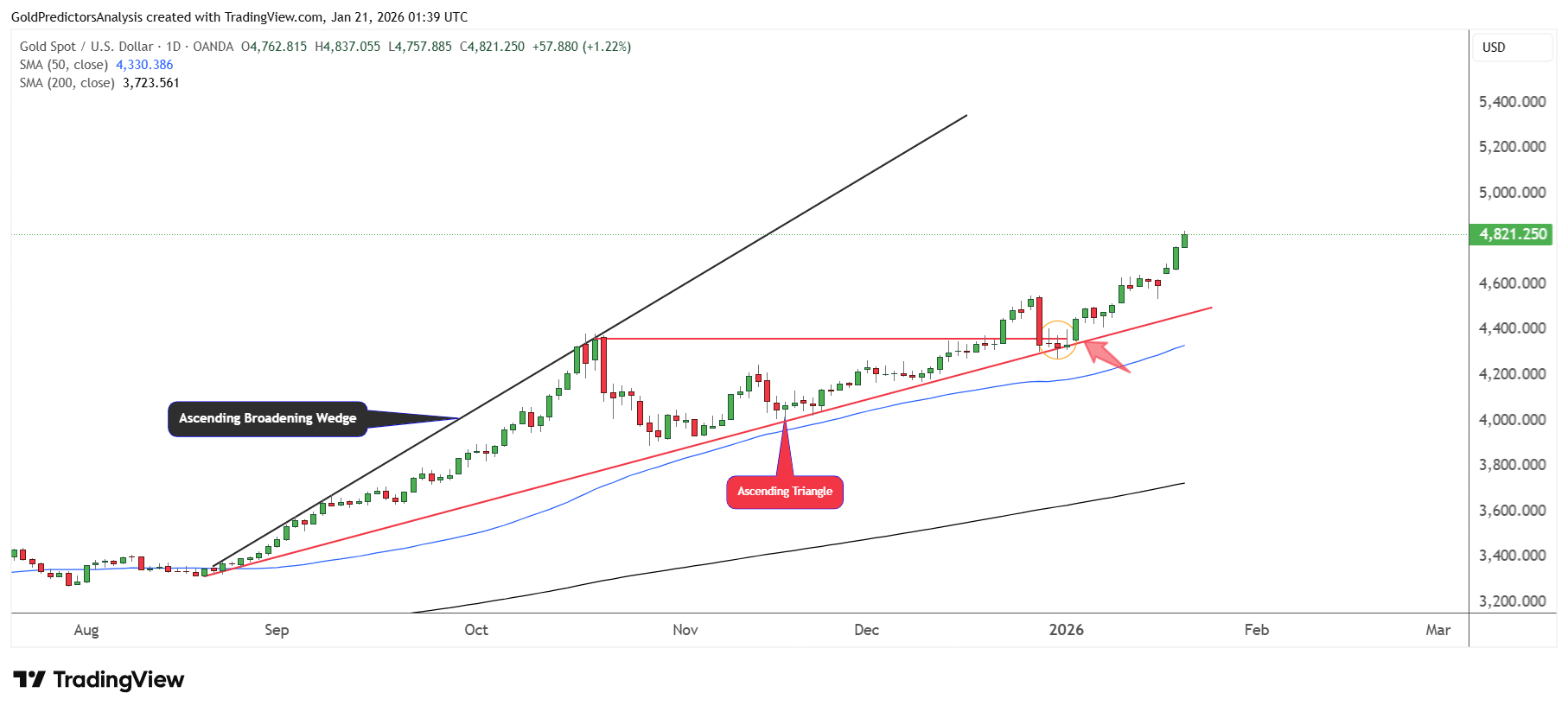
When geopolitical uncertainty increases, investors tend to prioritize protecting their wealth rather than seeking high returns. Concerns that the conflict could spread, disrupt global supply chains, or drive energy prices higher have added to market anxiety. Gold, long viewed as a hedge against inflation, currency instability, and geopolitical risk, is seeing strong demand. Silver is also benefiting, supported by both its role as a store of value and its industrial uses.
Market sentiment is playing a major role in the current price action. In uncertain times, fear-driven buying can push prices higher very quickly. At the same time, speculative trading is increasing volatility, causing sharp moves as traders react to headlines and changing expectations.
The key question now is what happens next. If tensions in the Middle East escalate further, gold and silver could continue to climb. If the situation stabilizes, prices may pull back. Some bullish forecasts suggest gold could reach $6,000 per ounce and silver $200, but such levels would likely require a combination of persistent inflation, weakening currencies, and sustained investment demand for precious metals.
For now, gold and silver remain highly sensitive to geopolitical developments. Investors are watching the news closely, aware that conditions can shift rapidly during periods of global tension. Despite short-term volatility, precious metals continue to attract interest as reliable safe-haven assets in uncertain times.
$XAU $XAG