
Fabric Protocol begins with an observation that many discussions about robotics quietly overlook. As autonomous machines become more capable, the subtle problem emerges: how can humans and robots collaborate safely and reliably in shared environments? This challenge is less about intelligence and more about coordination and trust.

Fabric Protocol, supported by the non-profit Fabric Foundation, addresses this by creating a global open network for the construction, governance, and collaborative evolution of general-purpose robots. Instead of isolated systems, it treats robots and intelligent agents as participants in a shared ecosystem, allowing their actions to align with human priorities and broader operational goals.

The protocol’s infrastructure leverages verifiable computing, agent-native systems, and public ledger coordination. By organizing data, computation, and governance in a transparent and decentralized way, Fabric Protocol ensures that robotic behaviors can be observed, verified, and safely integrated with human activities. This creates a framework for trusted and accountable human-machine collaboration.
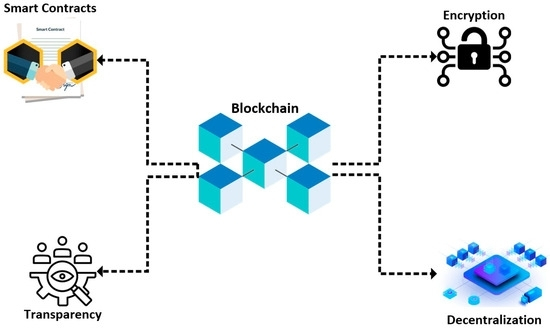
Looking ahead, the real question may not be how intelligent robots become, but how reliably their actions can be coordinated with humans and other machines. Fabric Protocol quietly explores this infrastructure challenge, offering a vision where trust, transparency, and verifiable coordination define the future of autonomous systems.
@Fabric Foundation #ROBO $ROBO
