
When I first started looking into Fabric Protocol, I honestly thought it was just another crypto experiment with a futuristic story attached to it. There was a token called ROBO, talk about decentralization, and big promises about a “robot economy.” It sounded bold, maybe even a little exaggerated.
But the more time I spent understanding it, the more I realized they’re not just launching a token. They’re questioning something much deeper. What happens when robots stop being simple tools and start acting as economic participants?
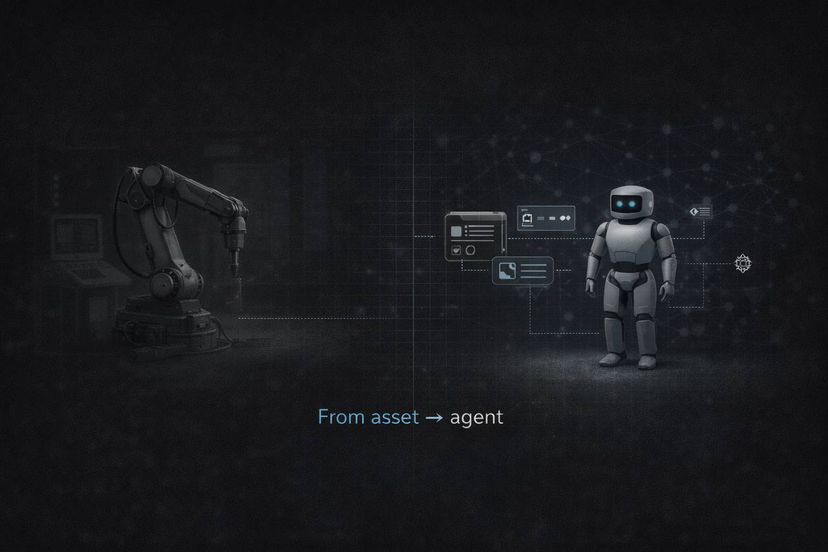
Right now, robots are owned assets. They work, they produce, they generate value, but everything they earn flows directly to whoever owns them. They can’t hold money. They can’t pay for their own maintenance. They can’t transact across borders. Fabric is challenging that structure. They’re building a system where robots can have a verifiable blockchain identity and a wallet. Not because robots need rights, but because coordination in a global digital economy demands infrastructure.
If a delivery robot completes a task, that activity can be logged on-chain. Payment can be released automatically through smart contracts. If a robot needs electricity, repairs, or software updates, it could theoretically pay for those services itself. I’m not saying this makes robots independent beings, but it does make them autonomous economic agents in a technical sense.
That shift changes how we think about work.
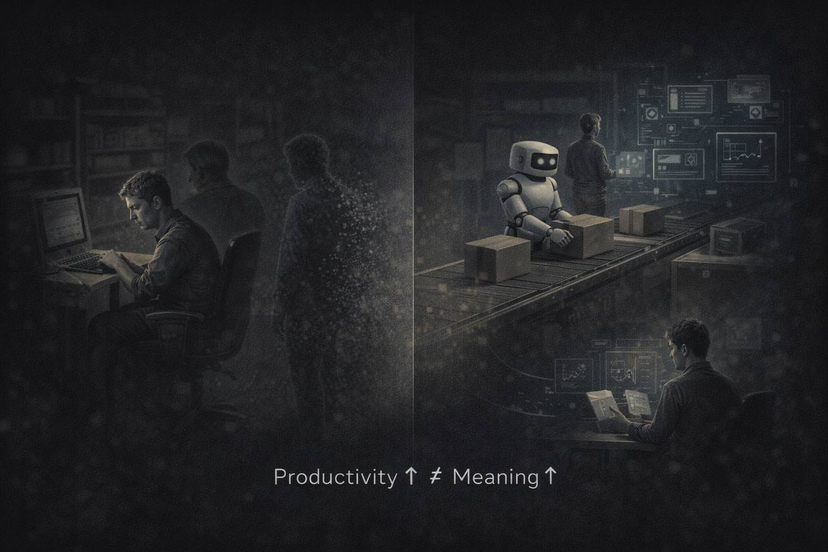
We’re already seeing automation reshape industries. Research shows robots can replace repetitive jobs while creating new technical roles. But transitions are rarely smooth. People lose jobs before new opportunities fully appear. Fabric’s answer is shared ownership. Instead of a few corporations controlling massive fleets, communities or investors could own fractions of robots and share in the revenue they generate.
If it becomes widely adopted, we’re seeing a model where automation doesn’t automatically concentrate wealth in one place. But that outcome isn’t guaranteed. Token governance always carries the risk that large holders gain more influence. Early investors can shape decisions. The design tries to balance ecosystem incentives, team allocations, and long-term vesting, yet power dynamics will ultimately depend on participation.
There’s also the data layer to consider. Robots produce enormous amounts of information. Delivery routes, environmental scans, operational metrics. That data can become valuable. Fabric’s ledger can make ownership and usage transparent, but privacy and regulation complicate everything. Once information touches blockchain systems, it becomes harder to control. They’re exploring privacy-preserving methods, but balancing openness and protection is not simple.
What fascinates me most is the indirect impact. If robots operate with wallets and compete openly in markets, they could lower service prices dramatically. That might benefit consumers, but it could also push human wages down if safeguards don’t exist. Fabric doesn’t automatically solve inequality. It provides tools. How those tools are used depends on governance and social policy.
The project’s future depends on real-world integration. Robots must actually connect to the protocol. Developers must build applications around it. Communities must participate in decisions. Without physical adoption, it remains theoretical.
But if it works, we’re looking at something new. Cross-border robot fleets settling payments instantly. Shared machine ownership models. Automation embedded in open financial infrastructure instead of closed corporate systems.
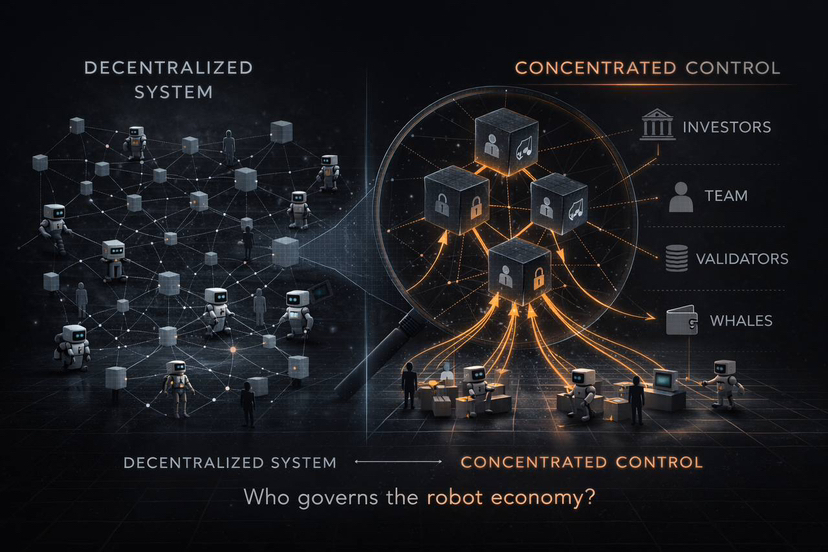
As I reflect on everything, Fabric Protocol isn’t really about robots having bank accounts. It’s about redefining economic participation in a world where machines increasingly create value. It forces us to ask uncomfortable questions. If robots generate wealth, who benefits? If automation expands, how do we protect dignity and opportunity?
We’re moving toward a future where machines don’t just assist us. They transact. They coordinate. They earn.
The real challenge isn’t building robots that can work.
It’s building systems that decide where the value of that work flows.