
Four days into $ROBO trading on Binance, most analysis focuses on price action. Instead I concentrated on the architecture. The only question to ask whether this protocol is worth the long-term is whether it is implemented by builders and hardware is executed by scale operators. This is what the research demonstrates.
The Open-Source Base
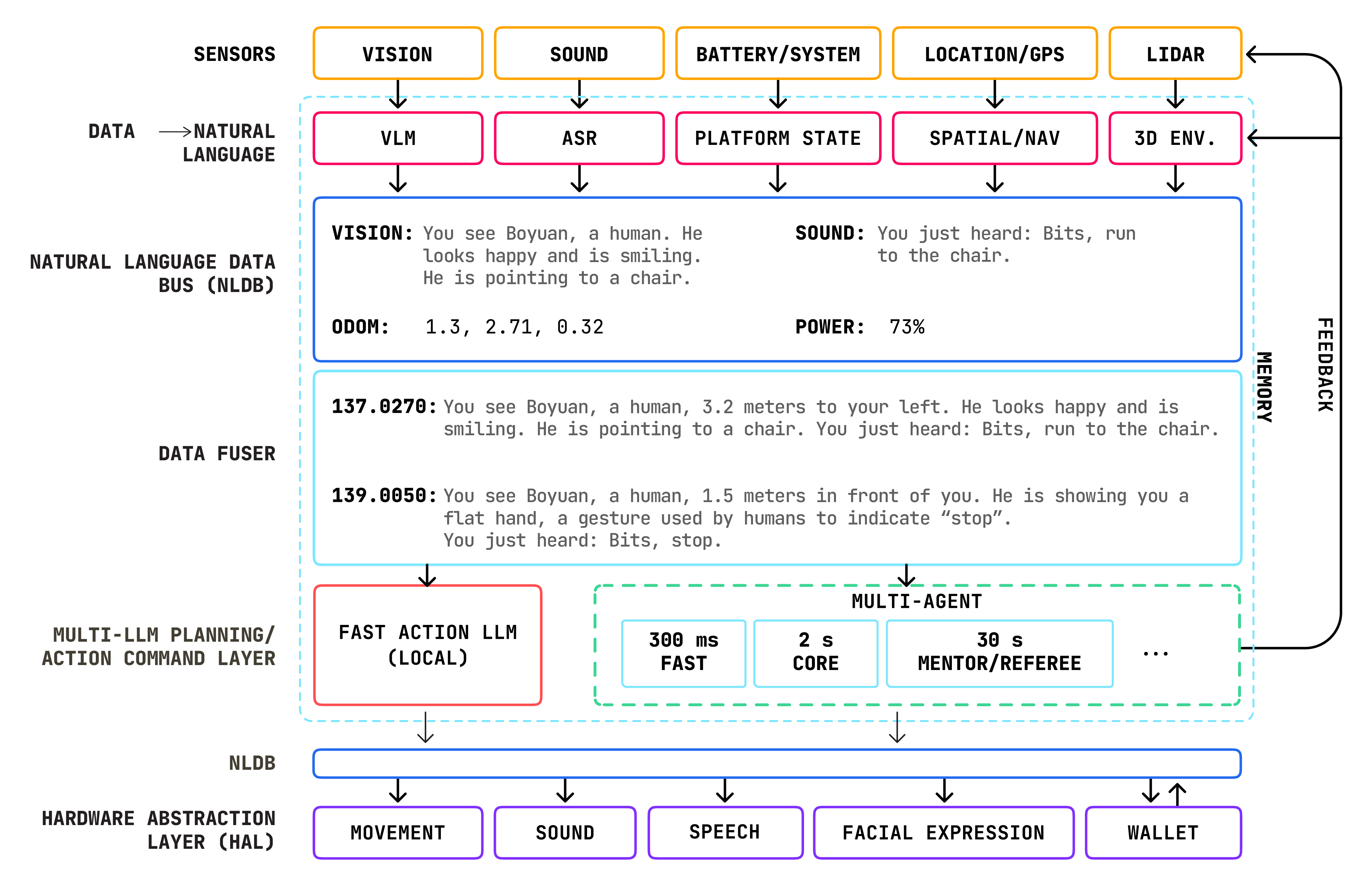
OM1 runs under an MIT License. The code is free to audit, fork, and deploy, addressing the core challenge of multi-manufacturer interoperability. OpenMind published the codebase with JSON5 config templates defining behavior logic, sensor inputs, and task structures as portable modules. The same code packet runs across quadrupeds, humanoids, and wheeled platforms without recompilation. Robots learn navigation tasks in one deployment and propagate the code packet to other units automatically.
Eight hardware partners joined the App Store launch: Ubtech, Agibot, Deep Robotics, Fourier, Booster, Dobot, LimX, and Magic Lab. Competing manufacturers agreed on a shared standards layer before the token listed. A concrete alignment.
Developer Attraction
OpenMind's developer base crossed 1,000 active contributors before $ROBO's listing day. The Developer League offers $250,000 in compute credits for building on OM1. Developers earn credits when they complete the quest of contributing verified modules, not for passive sign-up.
The red signal in developer programs is when incentives disappear after launch. The League program predated the token. Developers who solve the hardware-agnostic challenge earn standing in the contributor ranking. Developers learn through real deployment feedback, not sandbox simulations. The word "adoption" appears in every DePIN white paper. A contributor count above 1,000 pre-launch is a different category of claim.
Operator Bonds and Network Quiz
Operators stake refundable ROBO bonds scaled to declared capacity. The bond stores hardware identity on-chain and puts tasks, with access, queued. Those operators that go offline or commit fraud have their bond burnt by 5% to 50%.
This removes the competition between performing and gaming the system. Delegators share both the reward and the slash risk. Each day of uptime contributes to delegation score. The network quiz scores performance data against every registered machine, running continuously. No free ride through inactivity.
The Circle Settlement Proof
One of the less-discussed infrastructure claims is the Circle partnership. OpenMind showed a robot paying a charging station fee automatically on-chain via the USDC. Direct machine-to-machine settlement, no human approval required. This turns the word "autonomous payment" from a whitepaper prize into a verified on-chain record.
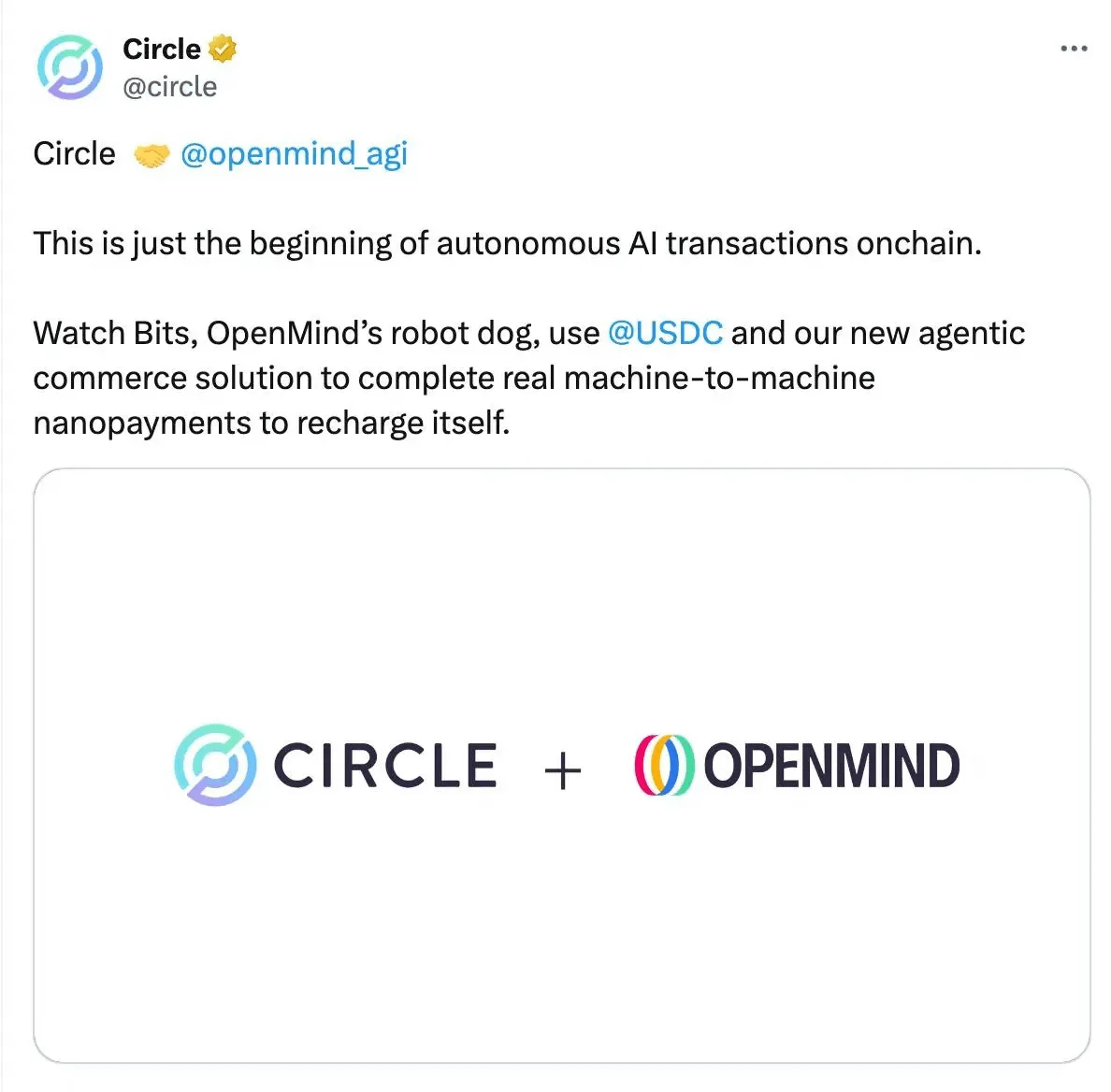
The reward in this case is that the settlement layer will be operating prior to the fleet scaling. Operators who solve the integration earn settlement efficiency across deployed units. The challenge of scaling machine payments now has a working example. The red flag for competing networks without this proof is clear.
What veROBO Governs
Those who hold lock ROBO to veROBO. Weight of voting inversely proportional to the time in lock. Governance includes sensitivity to emissions, quality levels and frameworks of fees.
The supply changes of the Adaptive Emission Engine are regulated by emission sensitivity. If governance gets captured by large operators, the reward box enriches early movers. Revenue buybacks further introduce funding: protocol fees purchase ROBO on the open market. The trending question is who votes when parameters shift. veROBO acts as the broader quiz on which operators earn expanded emission weight. The trending read is whether the box stays competitive for smaller contributors.
The L1 Migration Puzzle
Fabric runs on Base today. In the year 2026, Q1 implements the identity of robots and settlement of tasks. Q2 introduces incentives of contribution due to confirmed execution. Q3 presents the use of multi-robots. After 2026, a machine to machine oriented, custom L1 will be developed.
The word "planned" covers real engineering work. The trading read here is clear: track whether Q1 milestones ship on schedule. The paradigm changes to a combination of does the architecture work to does adoption track delivery. The sequel of verifying infrastructure of on-chain robots starts this quarter. The competition between Fabric and other DePIN networks gets decided by what ships in Q3. @Fabric Foundation updates its progress in public. Four days into listing, the stack looks solid. Execution over the next 90 days is the test.
