

The real risk in autonomous systems isn’t malfunction it’s concentration of control.
As robots and intelligent agents begin coordinating supply chains, infrastructure and economic activity, governance becomes a power question. In corporate-controlled systems, a single entity defines the rules, updates the safeguards, and ultimately decides what is permitted. That model creates efficiency but it also creates dependency and opacity.
Corporate control centralizes authority. And centralized authority becomes a single point of failure.
Protocol-level regulation takes a fundamentally different approach. Instead of trusting an institution to enforce compliance, the rules are embedded into the infrastructure itself. When robotic actions are anchored to a public ledger and validated through verifiable computing, governance becomes structural. Execution is traceable. Decisions are auditable. Enforcement is automatic.
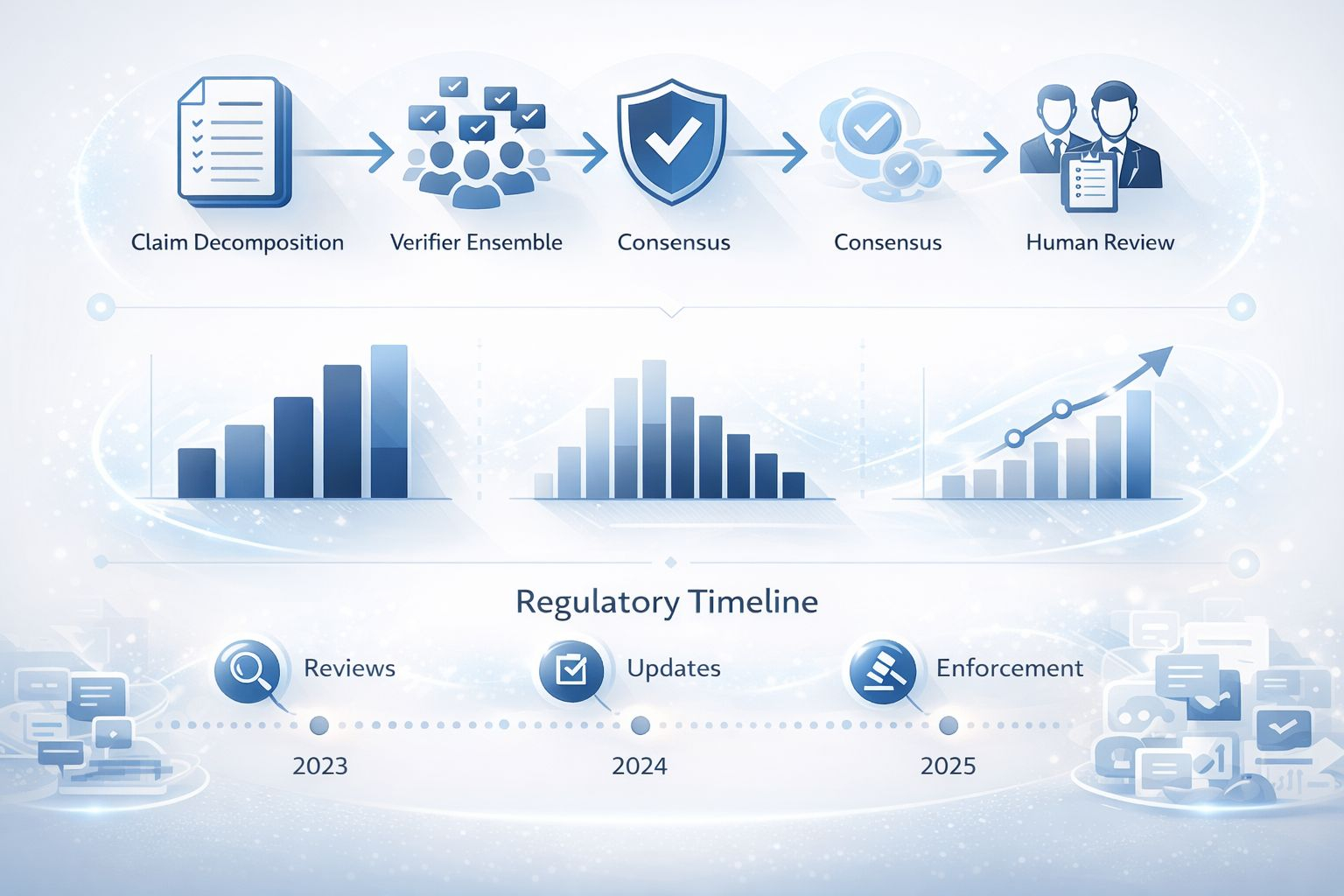
This is not lighter regulation. It is stronger regulation because it is enforceable by design.
Frameworks supported by the Fabric Foundation illustrate how open protocols can coordinate general-purpose robots without surrendering oversight to private entities. Through distributed consensus and transparent validation, compliance shifts from policy documents to cryptographic guarantees.
Corporate systems ask for trust.
Protocol systems require proof.
As autonomous agents become economic participants, the legitimacy of their actions will depend on transparent, shared governance models. Infrastructure-level regulation reduces concentration risk while increasing accountability across the network.
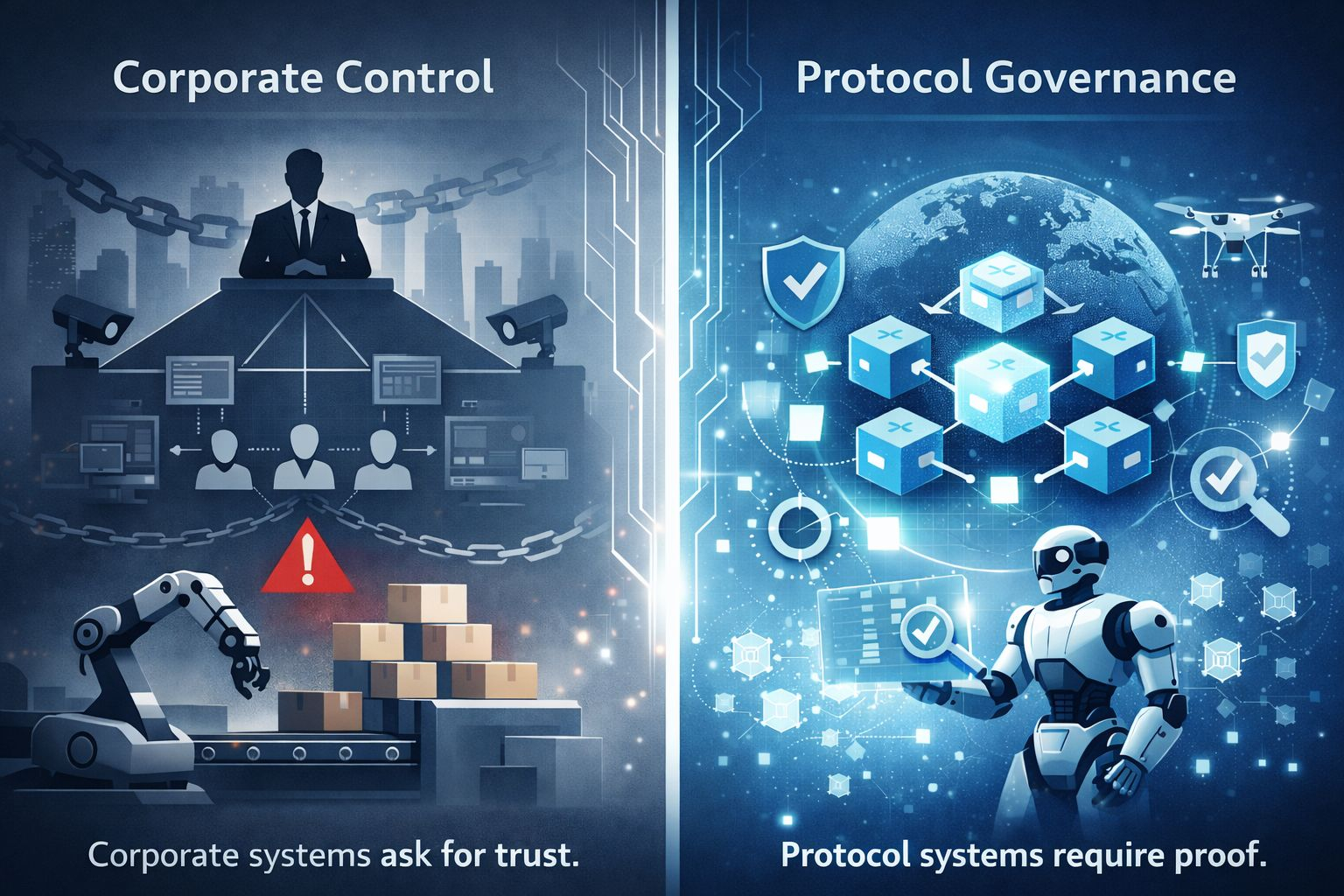
In the long term, autonomy governed by corporate control will always face trust limits.
Autonomy governed by protocol becomes public infrastructure.
And infrastructure not institutions is what scales.
@Fabric Foundation #robo #ROBO $ROBO
