
Funding rates are regular payments that long and short traders swap when trading perpetual futures. When the funding rate is positive, longs pay shorts—basically, more people are betting prices will go up. If the rate goes negative, shorts pay longs, which means most traders expect prices to drop. On big exchanges like Binance and Bybit, funding rates usually reset every eight hours.
Now, when the market corrects, funding rates change in pretty recognizable ways:
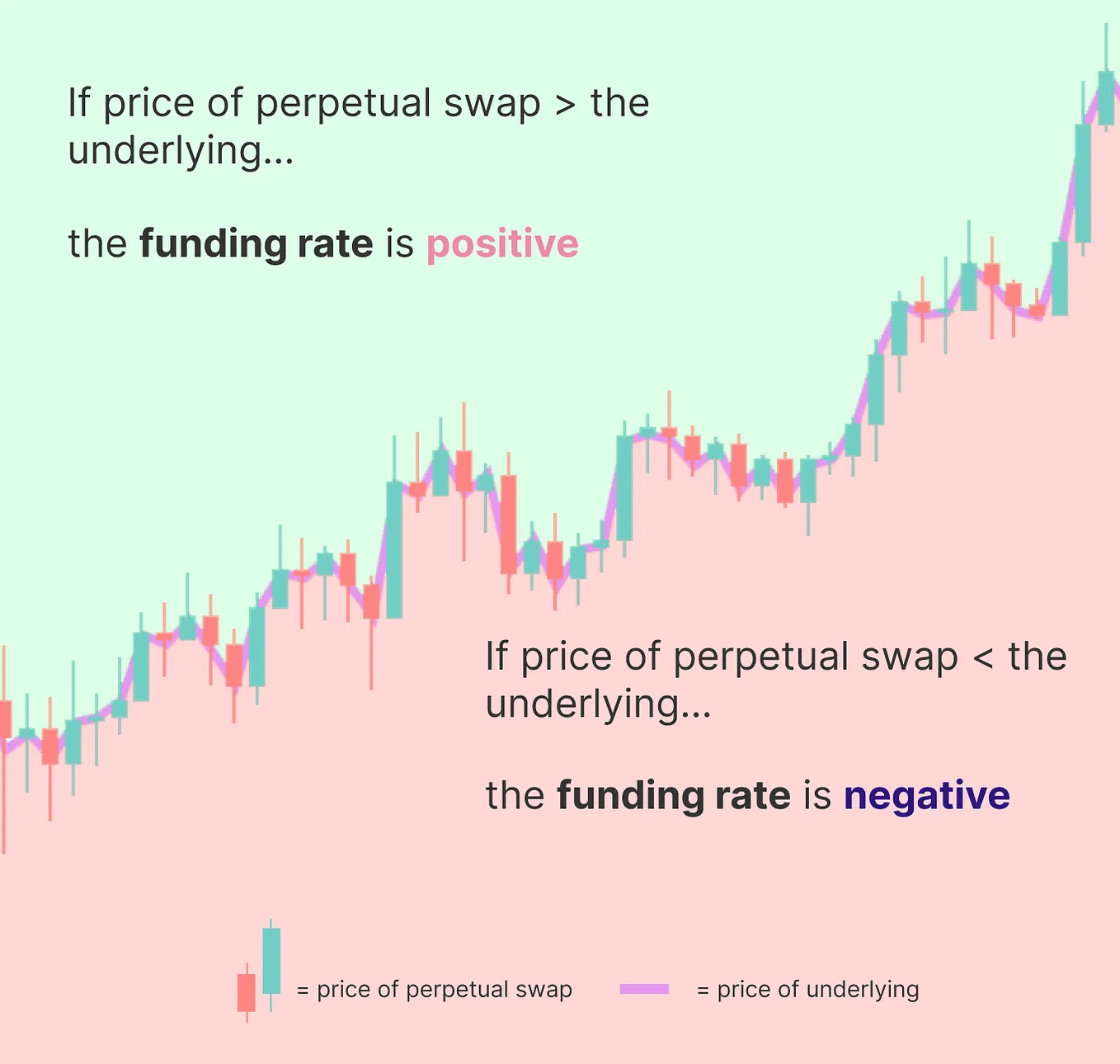
First comes the initial dip. Prices drop fast, shorts pile in, and funding rates usually flip negative. This shows traders are leaning hard into the idea that prices will fall even more.
Then you hit the capitulation phase—the panic-sell zone. Retail traders start dumping their positions. Shorts begin to close out, and the funding rate hovers around zero. This is the “maximum fear” moment and can mark a possible turnaround.
Finally, you get a recovery attempt. Prices start to steady, buyers show up, and funding rates inch back up. A slightly positive rate means longs are coming back in. But if you suddenly see a big jump in positive funding after a nasty correction, it can mean too many traders are jumping back into longs too quickly. That kind of crowding makes the market fragile and ripe for a quick pullback.
You can see this play out in past crashes. Take Bitcoin in May-June 2022: as the market tanked, BTC funding rates plunged deep into negative territory, showing shorts in control. Near the bottom, funding rates steadied around zero before things started to recover. Or look at ETH in 2023: as ETH fell, funding went negative, but then bounced between negative and positive. This showed a tug-of-war between small traders hoping for a bounce and bigger players betting on more downside.
So, what can you do with all this? If funding rates get extremely negative while prices stop falling, watch out for a short squeeze—overloaded shorts can get wiped out fast if the market rebounds. On the flip side, if funding turns sharply positive in a recovery, be careful with new longs. Overcrowded long trades can unravel quickly with just a small dip.
Also, pay attention if the funding rate stops getting more negative even as prices fall. Shorts are losing confidence, and the market could be getting ready to turn.
Bottom line: funding rates are like a mood ring for the market. Negative means traders are bearish, positive means they’re bullish. During wild swings, watch for extremes—those moments often come before big moves. And don’t look at funding rates alone: combine them with volume, open interest, and price action for a clearer picture and better timing.