
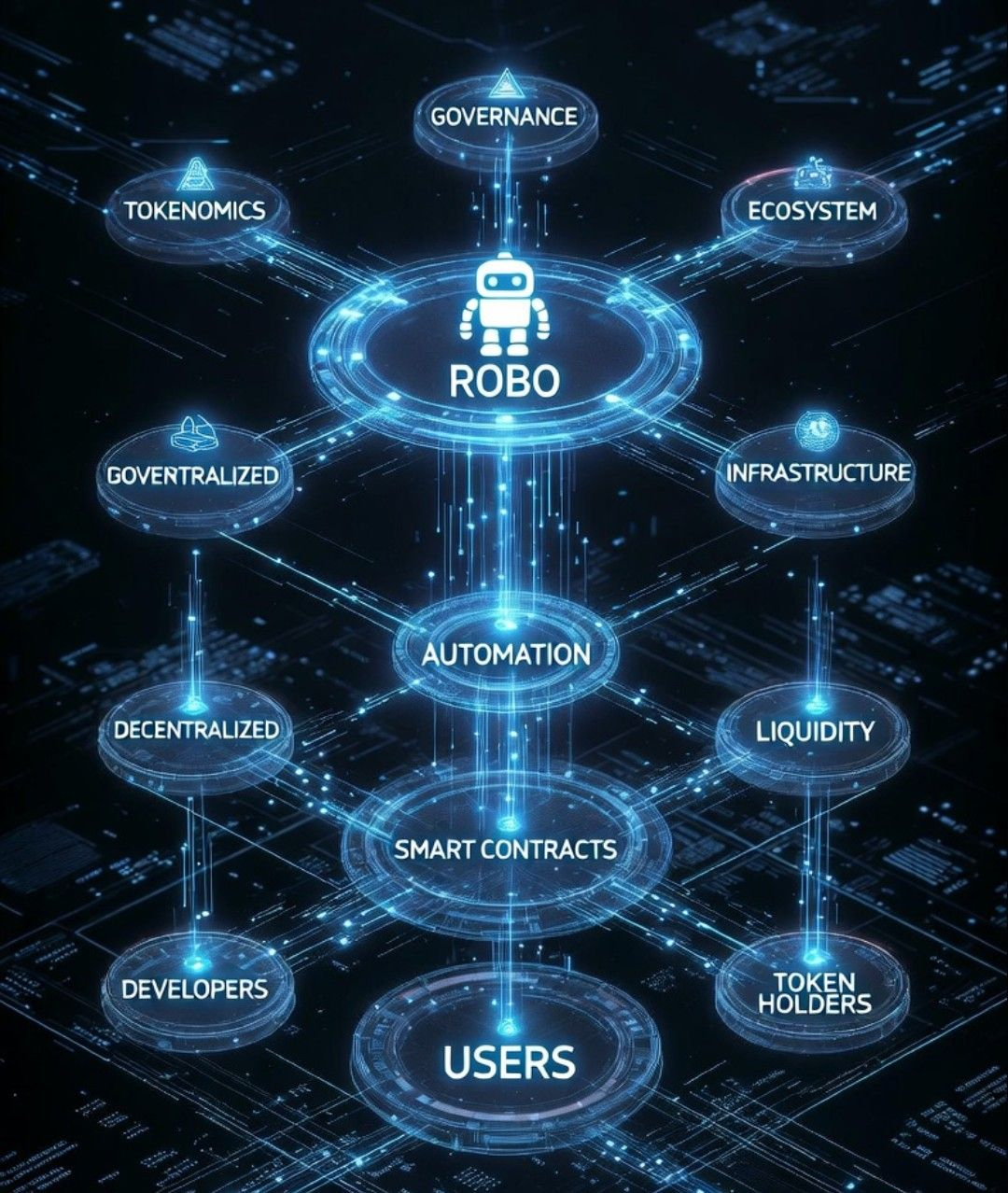
In an industry where attention often shifts from one narrative to another, @Fabric Foundation is taking a different approach. Instead of chasing trends, the focus is on building foundational infrastructure for intelligent digital coordination. At the center of this architecture sits $ROBO a utility token designed to power structured interaction, automation, and verifiable execution within the Fabric ecosystem.
The Infrastructure-First Vision
Fabric Foundation is oriented around a long-term thesis: digital economies require reliable execution layers. Rather than relying on fragmented tools or centralized intermediaries, the ecosystem aims to provide deterministic systems where processes can execute transparently and predictably. This infrastructure-first mindset shifts the conversation from speculation to sustainability.

ROBO plays a functional role in this environment. It is not positioned merely as a tradable asset, but as an operational component within a broader system. Utility within coordination frameworks often determines long-term relevance, and that is where Fabric’s design becomes significant.
Enabling Structured Automation
Automation in blockchain is not new, but scalable, verifiable automation remains a challenge. Fabric Foundation’s framework focuses on enabling structured processes that can interact on-chain without constant manual oversight. In this design, ROBO helps facilitate interactions, align incentives, and support the operational logic that keeps the ecosystem functioning.
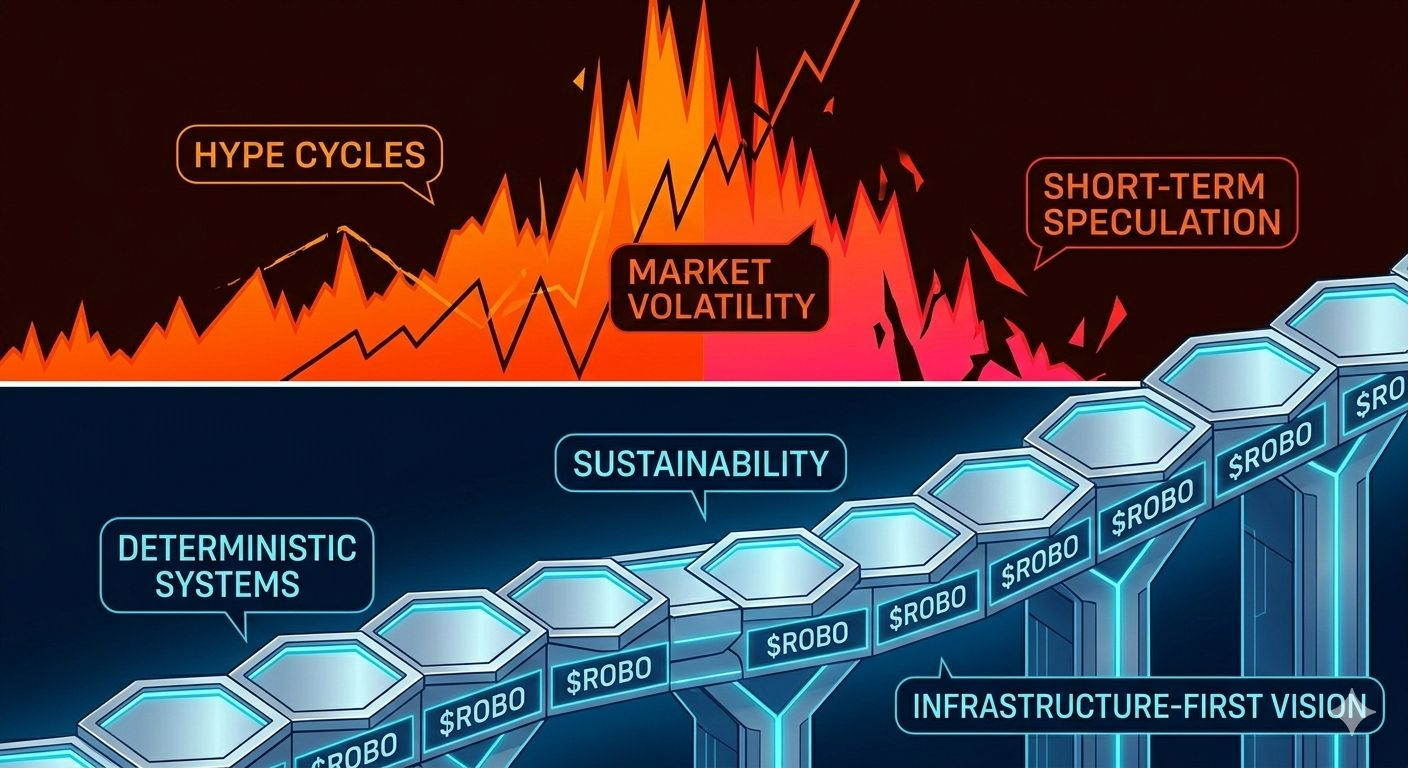
This emphasis on programmable trust matters. When systems can coordinate value transfer, validation, and execution transparently, efficiency increases and dependency on centralized actors decreases. ROBO, within this structure, becomes part of the mechanism that sustains these interactions.
Scalability and Ecosystem Expansion
A protocol’s durability often depends on whether it can scale beyond its initial use case. Fabric Foundation appears to be building with extensibility in mind creating an environment where additional tools, participants, and applications can integrate seamlessly.
As the ecosystem expands, the relevance of ROBO could deepen through increased participation and broader use within coordination layers. Utility that is embedded into system architecture tends to grow organically with adoption. This makes infrastructure-focused projects structurally different from narrative-driven tokens that rely primarily on market cycles.
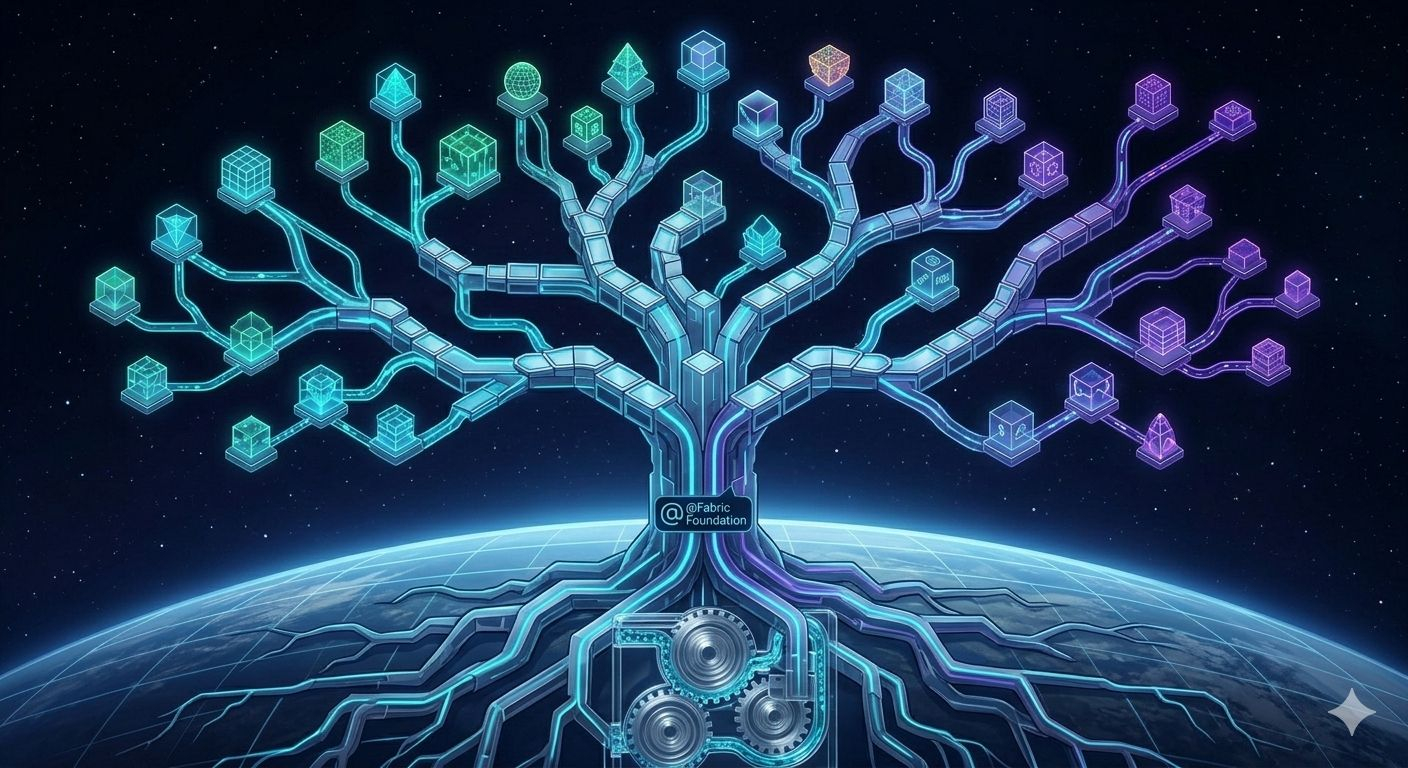
The long-term value of blockchain networks will likely be determined by the strength of their execution layers. @Fabric Foundation is positioning itself within that foundational category, aiming to enable intelligent, structured digital coordination. If the architecture succeeds, ROBO stands to function as more than a symbol it becomes an active component of a programmable economic framework.
For those observing infrastructure trends rather than short-term volatility, #ROBO represents a project grounded in system design and long-horizon thinking.