
If you’re holding positions right now — pause and zoom out.
The real risk isn’t just geopolitical headlines.
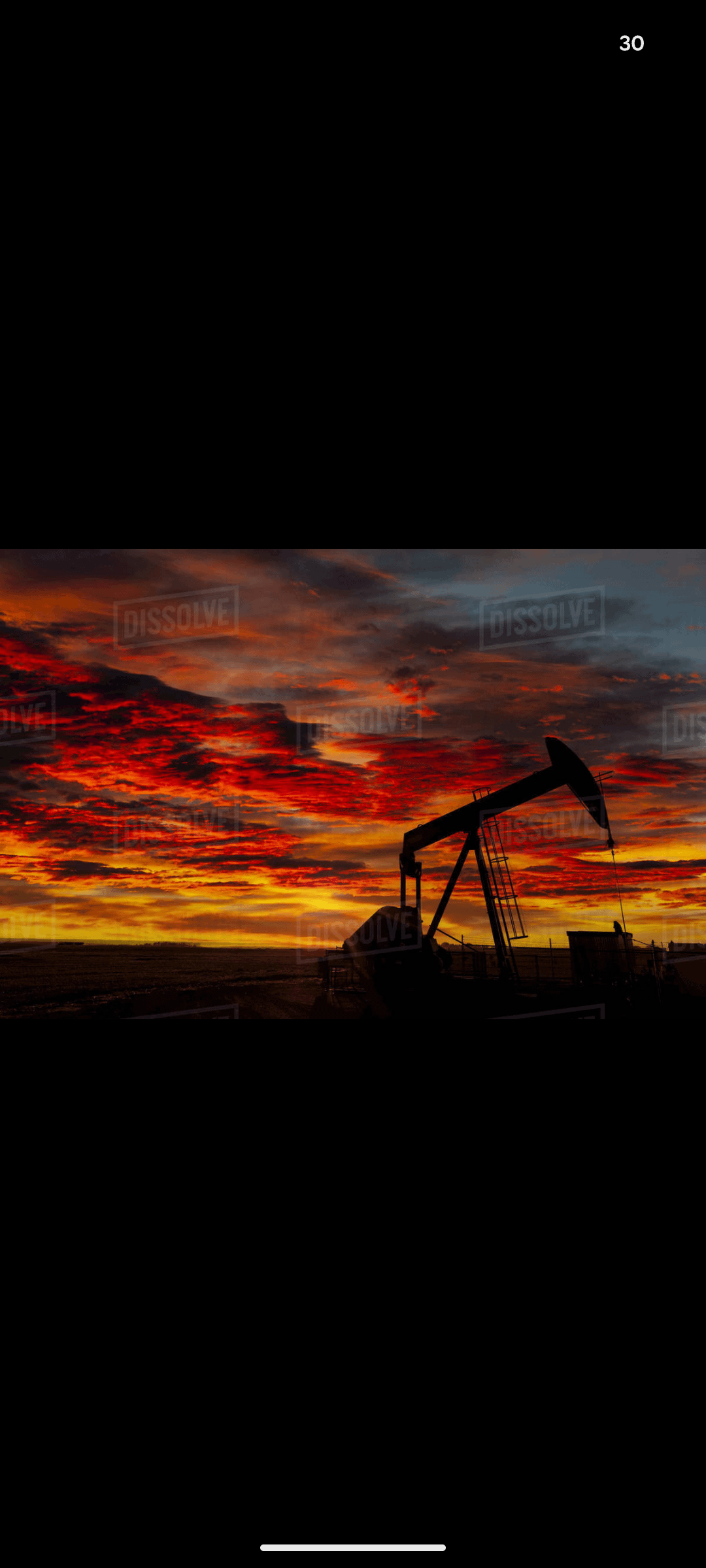
It’s oil.
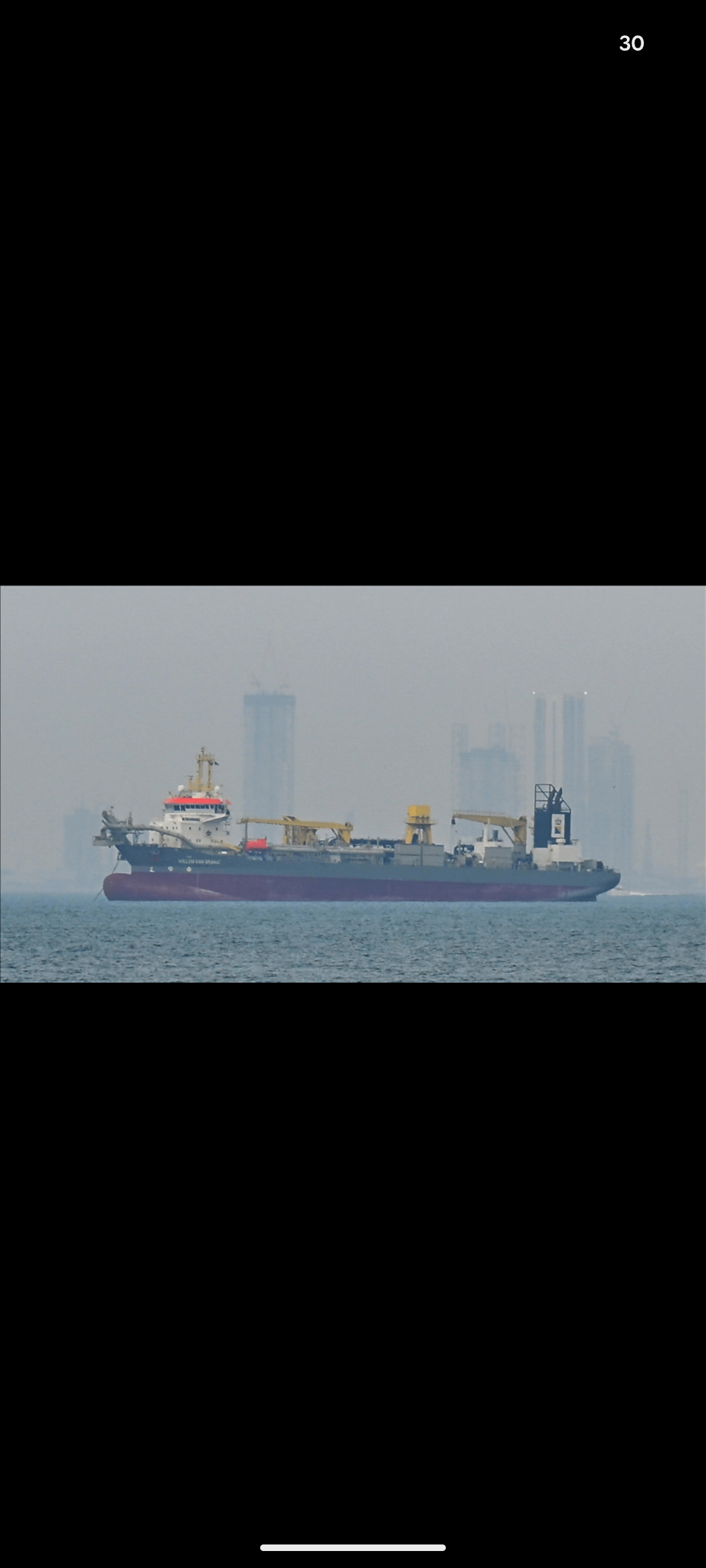
Tensions around the Strait of Hormuz are back in focus. This narrow passage carries close to 20% of the world’s oil supply. That’s not background noise. That’s a structural chokepoint in the global economy.
The recent market bounce might look reassuring.
But it could simply be a liquidity reflex — not true stability.
Because right now, markets are standing on three fragile pillars:
Gradually easing financial conditions
Cooling inflation
Expectations of upcoming rate cuts
An oil shock threatens all three at once.
🔄 The Chain Reaction No One Can Ignore
Here’s how it plays out:
Oil spikes → Inflation rises
Inflation rises → Rate cuts get delayed or cancelled
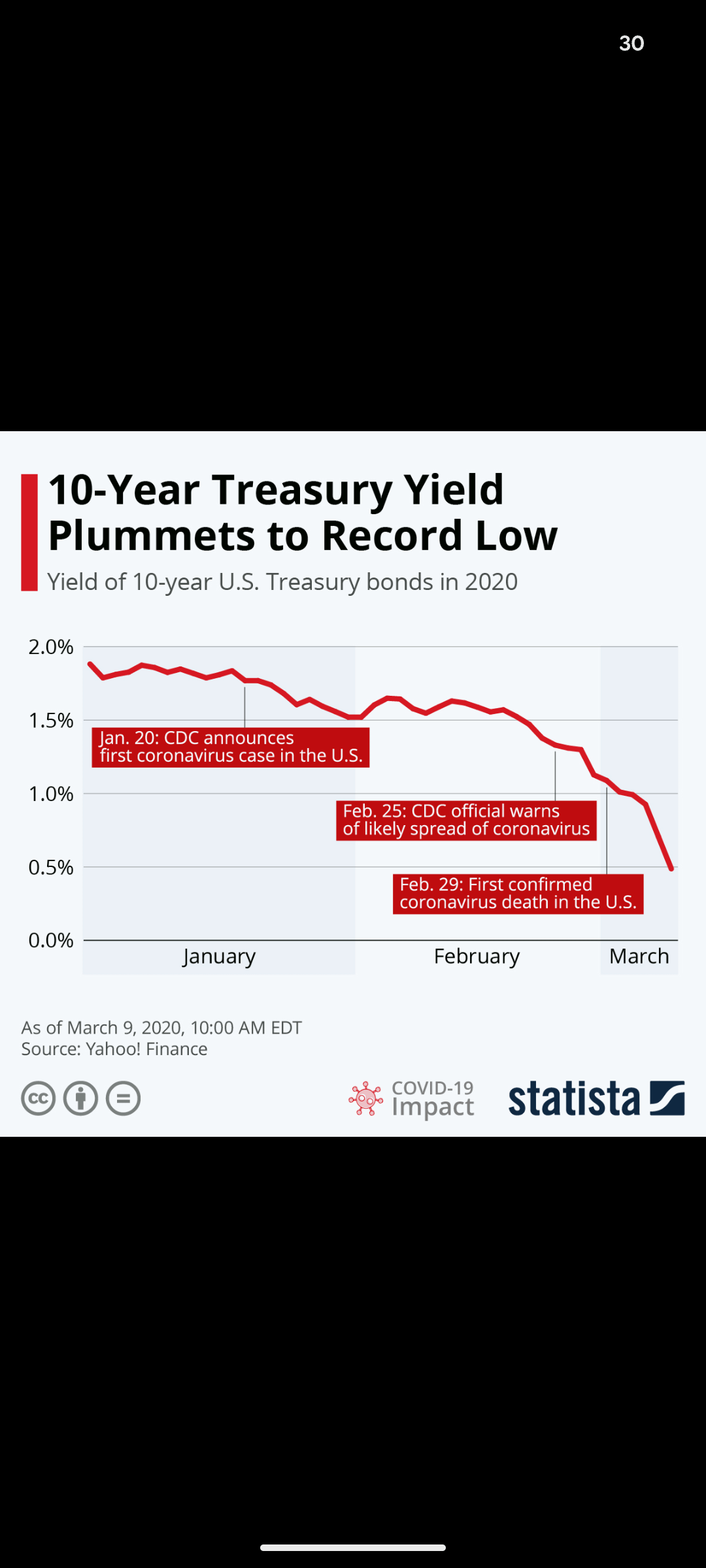
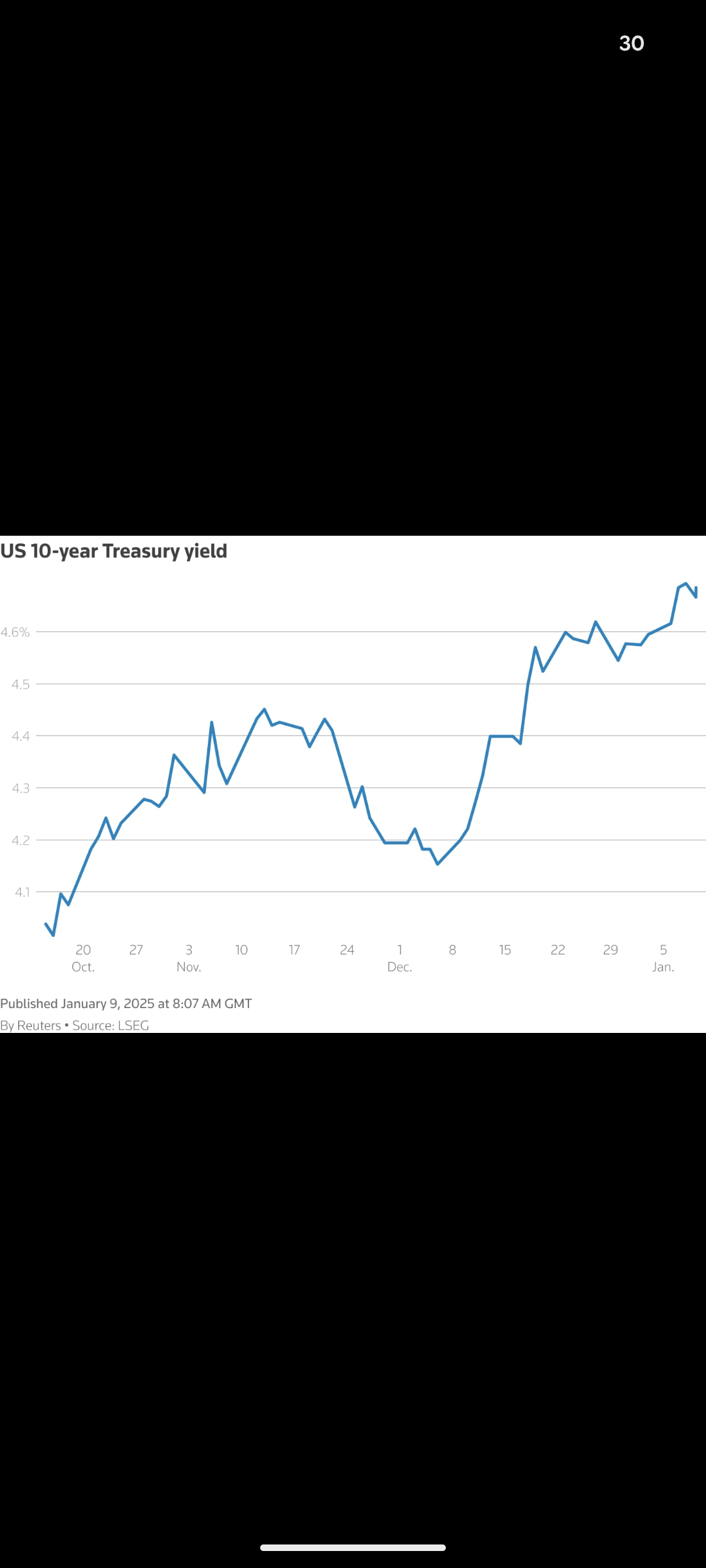
No rate cuts → Bond yields climb
Yields climb → Liquidity tightens
And when liquidity tightens, markets don’t rotate gently.
They reprice — fast.
The first assets to feel pressure are not necessarily the weakest companies.
They’re usually:
The most liquid
The most crowded trades
The highest-valuation assets
When yields surge, capital flows shift quickly.
---
🟡 What About Gold?
Gold often benefits from fear and inflation.
But there’s a nuance.
If yields rise aggressively, even gold can initially dip. Why? Because precious metals are sensitive to interest rate expectations. Higher real yields can temporarily weigh on gold prices before inflation hedging demand takes over.
So don’t assume a straight line up.
📊 The Real Battlefield: Three Indicators
If you want to understand what happens next, focus on:
U.S. 10-year Treasury yields
The U.S. dollar index
Global liquidity conditions
If yields rise due to inflation risk, that’s typically negative for risk assets.
If the dollar strengthens sharply, global financial conditions tighten.
And when liquidity contracts, high-risk assets feel it first.
₿ Crypto Is Not Immune
Bitcoin and broader crypto markets are highly sensitive to liquidity cycles.
During easing cycles, BTC behaves like a high-beta growth asset.
During tightening cycles, it trades like a risk asset under pressure.
When deleveraging begins, volatility accelerates.
If markets conclude that oil will remain structurally elevated — not just temporarily spiking — that signals something bigger than short-term fear.
That signals a potential regime shift.
And regime shifts are painful for assets built on cheap money.
🎯 Three Possible Paths From Here
1️⃣ Rapid de-escalation
Oil stabilizes, inflation fears cool, markets regain footing.
2️⃣ Prolonged tension
Volatility remains high. Slow grinding pressure across risk assets.
3️⃣ Full supply disruption
Oil shock → Rising inflation → Higher yields → Broad market correction.