
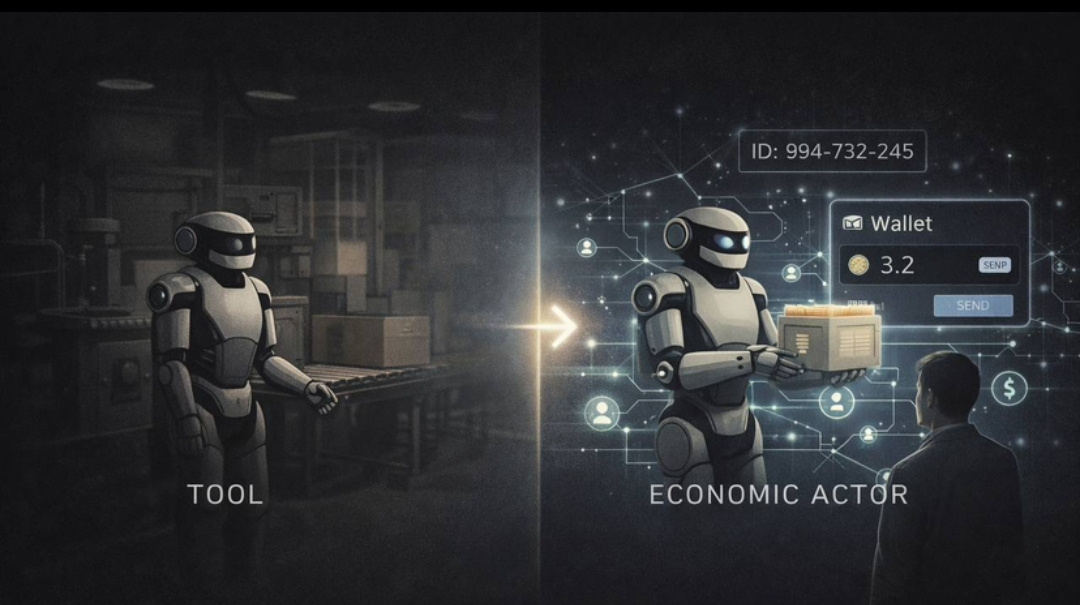
I didn’t come into Robo thinking about tokens.
I came into it thinking about something that’s been bothering me for a while. We talk a lot about robots getting smarter. Better models. Better motion. Better autonomy. But I rarely see anyone talk seriously about who controls them once they’re everywhere.
And that’s not a small detail.
When I started digging into Fabric Protocol, what stood out wasn’t the robotics narrative. It was the infrastructure narrative. Fabric isn’t trying to build a robot. It’s trying to build the network layer that coordinates how robots are built, governed, and updated.
That shift matters.
Most robotics today is vertically controlled. A company owns the hardware, the software, the update pipeline, and the decision logic. That works when robots are isolated products. It becomes fragile when they’re interacting across companies, cities, and regulatory environments.
Fabric is structured differently. Supported by the Fabric Foundation, the idea is to create a global open coordination layer. Construction, governance, and collaborative evolution are anchored to a public ledger. That means rule changes and computational processes aren’t just internal decisions — they’re verifiable.
The verifiable computing angle is where it clicked for me.
In software, we’re used to trusting that systems run what they say they run. In robotics, that trust gets riskier. If a robot is operating in a logistics center or hospital environment, you don’t just want a statement of compliance. You want proof that certain computations were executed under defined constraints.
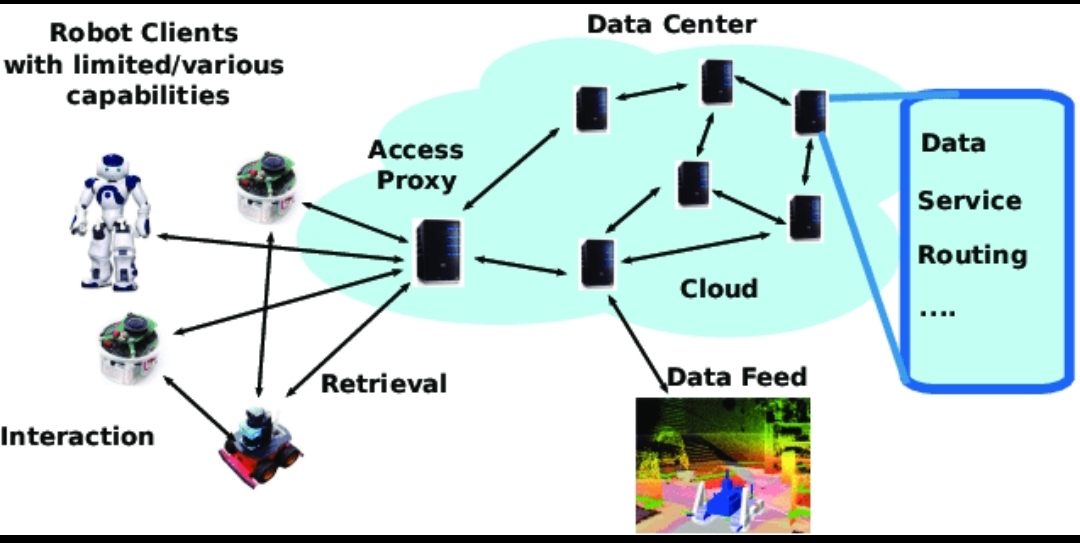
Fabric pushes that into the protocol layer.
Instead of governance being an afterthought, it becomes part of the architecture. Data, computation, and regulatory logic are coordinated publicly rather than privately.
$ROBO isn’t just symbolic inside this system. It’s the coordination mechanism. Validators, contributors, and governance participants are economically aligned through it. If rules evolve, they evolve through structured participation, not unilateral control.
I think what makes this interesting to me is timing.
Robotics is accelerating. AI agents are improving. But governance models haven’t evolved at the same pace. We still default to centralized oversight and corporate updates. That might not hold up once machines are operating globally at scale.
Fabric feels like it’s asking a different question:
What if we design the coordination layer before we’re forced to?
This isn’t flashy infrastructure. It doesn’t produce viral demos. But it addresses something that will become unavoidable — accountability in autonomous systems.

I don’t know how quickly markets will value that. Infrastructure rarely gets attention early.
But if general-purpose robots become common across industries, the real competitive advantage may not be who builds the smartest machine.
It may be who builds the most credible governance layer around it.
And that’s the part of Robo that keeps me thinking.