
March 3, 2026 — Tehran
Iran’s stock market faced heightened uncertainty today as escalating regional tensions and military conflict continued to shake investor confidence, adding pressure to an already volatile financial environment.
Market Performance Under Stress
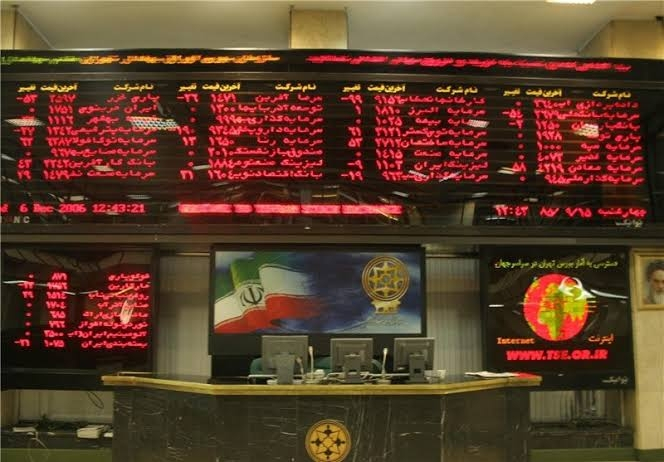
The Tehran Stock Exchange (TSE) — Iran’s main equity market — has experienced sharp fluctuations in recent sessions. The benchmark TEDPIX index has shown declining momentum in recent weeks after multiple large point drops, reflecting growing economic and geopolitical risks. Recent reports indicated significant losses, including declines of tens of thousands of points during earlier trading sessions as selling pressure intensified.
Despite occasional short-term rebounds, broader trends show instability. Market data indicates the index remains lower over the past month even though it is still higher compared with last year’s levels, highlighting uneven investor sentiment.
War and Geopolitical Risks Drive Market Sentiment
The primary driver behind today’s market mood is the ongoing conflict involving Iran, the United States, and Israel. Intensifying airstrikes and regional escalation have triggered global financial volatility, with oil prices surging and major stock markets worldwide reacting negatively.
As uncertainty grows, investors typically move away from equities toward safer assets such as gold and foreign currencies — a trend currently visible across global markets reacting to the Iran crisis.
For Iran specifically, geopolitical risk carries an even stronger impact because sanctions, restricted foreign investment, and currency pressures already limit market stability.
Domestic Economic Pressures
Beyond geopolitics, internal economic challenges are also affecting trading activity:
Inflation and currency volatility continue to influence company valuations.
Internet disruptions earlier in 2026 significantly reduced financial transactions and contributed to large stock-market losses over several days.
Liquidity constraints and limited foreign participation make the market more sensitive to local sentiment swings.
These structural factors amplify market reactions during crises.
Regional Spillover effects
The Iran situation has not only affected domestic equities but also regional markets. Stock exchanges across Asia and the Middle East have declined amid fears of prolonged conflict and energy supply disruptions.
Energy markets remain closely linked to Iran’s outlook, as the country sits near the Strait of Hormuz — a critical global oil route. Rising oil prices and shipping disruptions are contributing to broader financial instability worldwide.
Outlook: High Volatility Expected
Analysts expect Iran’s stock market to remain highly volatile in the near term. Key factors investors are watching include:
Duration and escalation of regional conflict
Oil price movements
Government economic interventions
Currency stability inside Iran
If geopolitical tensions ease, equities could stabilize quickly. However, continued military escalation may lead to further market declines and reduced trading activity.