

World Interaction with RPL & GPS
The future of decentralized technology isn't just about faster transactions or smarter contracts; it's about intelligent autonomy interacting with the physical world, creating unprecedented value. Imagine a future where self-executing, AI-driven agents—let's call them ROBO MIRA—operate seamlessly on a high-performance blockchain like Solana. This isn't merely an upgrade; it's a paradigm shift with the potential to ignite specific market sectors and unlock entirely new categories of utility, especially when combined with specialized protocols like Rocket Pool (RPL) and the ubiquitous power of GPS.
This scenario isn't just a fantasy; it's a logical extension of current trends in AI, blockchain, and real-world asset tokenization. Let's unpack how ROBO MIRA on Solana could become a catalyst, not just for innovation, but for significant market "pumps" in interconnected digital assets.
---
Solana (SOL): The High-Octane Playground for ROBO MIRA
For ROBO MIRA agents to function at their optimal level—executing complex tasks, processing vast amounts of data, and interacting in real-time—they demand an infrastructure that can keep pace. This is precisely where Solana shines. Its unparalleled transaction throughput, near-instant finality, and ultra-low transaction costs make it the ideal substrate for autonomous agents.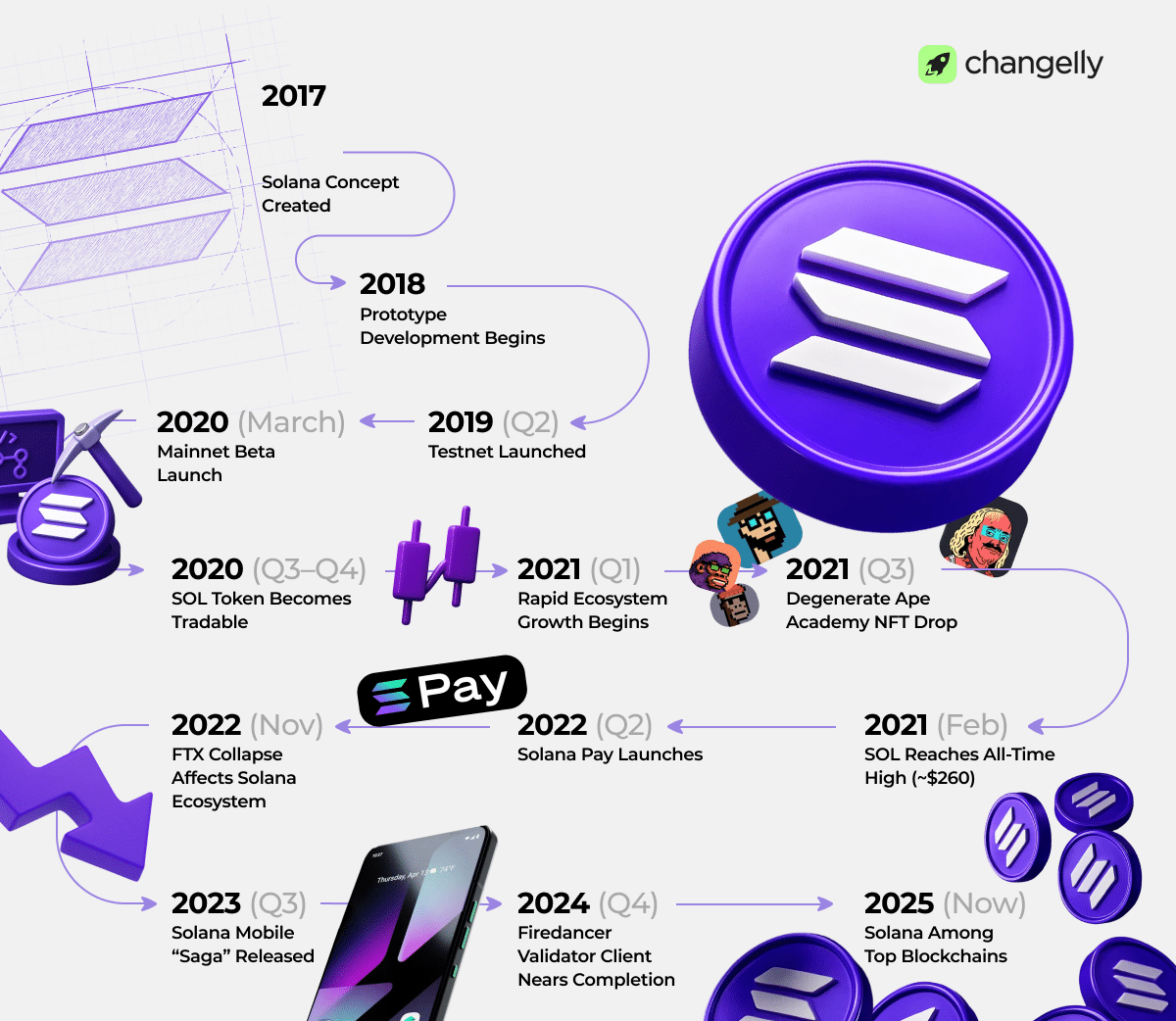
A ROBO MIRA operating on Solana means:
1. Real-time Decision Making: Agents can react to market changes, sensor data, or environmental cues without being hampered by network congestion or high gas fees. This speed is crucial for competitive arbitrage, dynamic supply chain management, or instant response systems. 2. Scalability for Swarms: If we envision not just one, but thousands or even millions of ROBO MIRA agents working in concert (a "swarm intelligence" model), Solana's capacity becomes non-negotiable. This scalability allows for complex, distributed tasks—from optimizing global logistics to managing decentralized energy grids—to be performed efficiently. 3. Cost-Effectiveness: Running extensive operations, especially those requiring frequent on-chain interactions, would be prohibitively expensive on many other blockchains. Solana's economic model makes continuous, autonomous operation feasible for ROBO MIRA.
The deployment and widespread adoption of such agents on Solana would undeniably drive up demand for SOL itself. Each agent's transaction, each smart contract execution, and each data attestation would consume SOL as gas. This inherent utility, multiplied by potentially millions of autonomous entities, could lead to a significant "pump" for the SOL token, reflecting its fundamental role as the operational fuel of this new autonomous economy.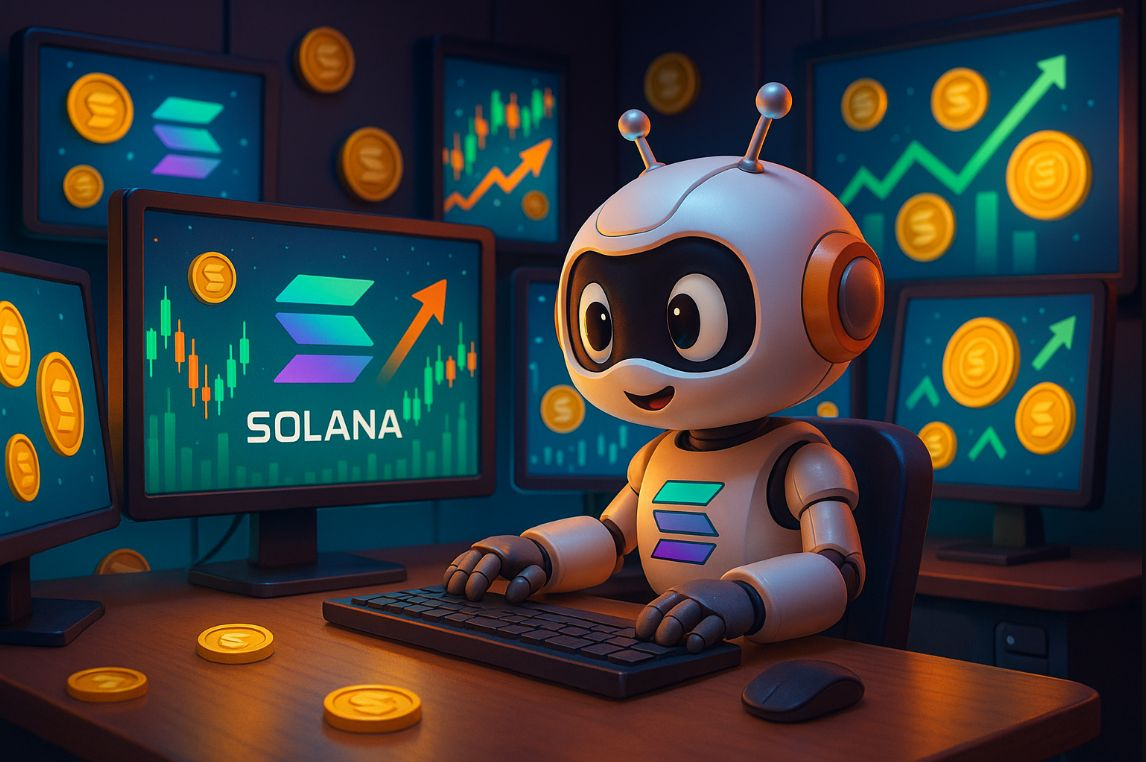
---
Rocket Pool (RPL): The Staking Engine Powering Agent Security and Decentralization
Now, let's connect the dots to Rocket Pool (RPL). Rocket Pool is a decentralized Ethereum staking protocol that allows users to stake ETH with less capital, lowering the barrier to entry for becoming a validator and contributing to network security. While RPL is primarily an Ethereum-based asset, its philosophical underpinnings—decentralized infrastructure, community-driven validation, and fostering a robust, permissionless network—are highly relevant to the ROBO MIRA narrative.
Here’s how RPL could experience a "pump" in this future:
1. Security for Agent Networks: If ROBO MIRA agents are involved in high-value operations—managing financial assets, controlling critical infrastructure, or verifying sensitive data—the underlying blockchain they interact with must be impeccably secure and decentralized. Protocols like Rocket Pool are essential for maintaining Ethereum's (or any PoS chain's) decentralized validator set, ensuring that no single entity can control the network. A world teeming with ROBO MIRA agents would place an even higher premium on truly decentralized staking, making RPL's role more critical. 2. Interoperability and Cross-Chain Security: While ROBO MIRA might primarily operate on Solana for speed, they will invariably need to interact with other chains, especially Ethereum, where a vast amount of capital and many critical DeFi protocols reside. RPL's focus on decentralized ETH staking contributes directly to the security and integrity of the Ethereum ecosystem. As ROBO MIRA agents bridge and transact across chains, the overall health and decentralization of these interconnected networks become paramount. Increased demand for robust cross-chain security, fueled by ROBO MIRA's multi-chain operations, could directly translate into increased value for protocols like RPL that underpin decentralized staking. 3. Liquid Staking for Agent Funds: Imagine ROBO MIRA agents needing to "stake" collateral for certain operations or to earn yields on their operational reserves. Liquid staking solutions, exemplified by Rocket Pool's rETH, could allow these agents to stake their ETH (or other assets) and receive a liquid token in return. This provides both security for the network and flexibility for the agent. As the autonomous economy expands, the demand for decentralized, liquid staking would grow, potentially driving the value of RPL.
The success of ROBO MIRA agents, particularly in finance or critical infrastructure, would inherently elevate the importance of decentralized staking solutions, leading to a strong indirect "pump" for assets like RPL as their fundamental value proposition becomes even more pronounced.
---
GPS: The Eyes and Ears of ROBO MIRA in the Physical World
Now for the real-world interface. GPS (Global Positioning System) is the crucial link that brings ROBO MIRA from the digital realm into our physical environment, enabling a wealth of novel use cases that could revolutionize industries.
Here’s how GPS integration empowers ROBO MIRA and creates new value:
1. Decentralized Logistics and Supply Chains: Imagine ROBO MIRA agents managing fleets of autonomous vehicles or drones, optimizing delivery routes, verifying cargo locations via on-chain GPS data, and executing payments upon delivery—all without human intervention. This verifiable, automated logistics system, from tracking high-value goods to managing last-mile delivery, could drastically improve efficiency and transparency. 2. Environmental Monitoring and Response: ROBO MIRA agents equipped with environmental sensors and GPS could autonomously monitor remote areas for climate change indicators, pollution levels, or wildlife movements. If a threshold is crossed (e.g., a forest fire detection), the agent could trigger immediate, automated responses, such as dispatching drones or alerting emergency services, all while recording verifiable location data on Solana. 3. Precision Agriculture: Autonomous ROBO MIRA drones or ground vehicles using GPS could precisely monitor crop health, soil conditions, and pest outbreaks, applying fertilizers or pesticides only where needed. This hyper-localized, data-driven approach, managed by agents, could optimize yields, reduce waste, and improve sustainability. 4. Proof of Location for Web3: For various Web3 applications—from geo-fenced NFTs to localized decentralized services—verifiable proof of location is critical. ROBO MIRA agents, capable of securely reporting their GPS coordinates to the Solana blockchain, could provide this essential data, ensuring that digital interactions are tied to authenticated physical presence.
These GPS-enabled ROBO MIRA applications would not only create entirely new industries but also generate immense demand for services that provide secure, verifiable, and privacy-preserving geolocation data. This would lead to a "pump" in any tokens or protocols associated with decentralized physical infrastructure networks (DePIN) that specialize in providing or processing such data. The utility for such a system is limitless.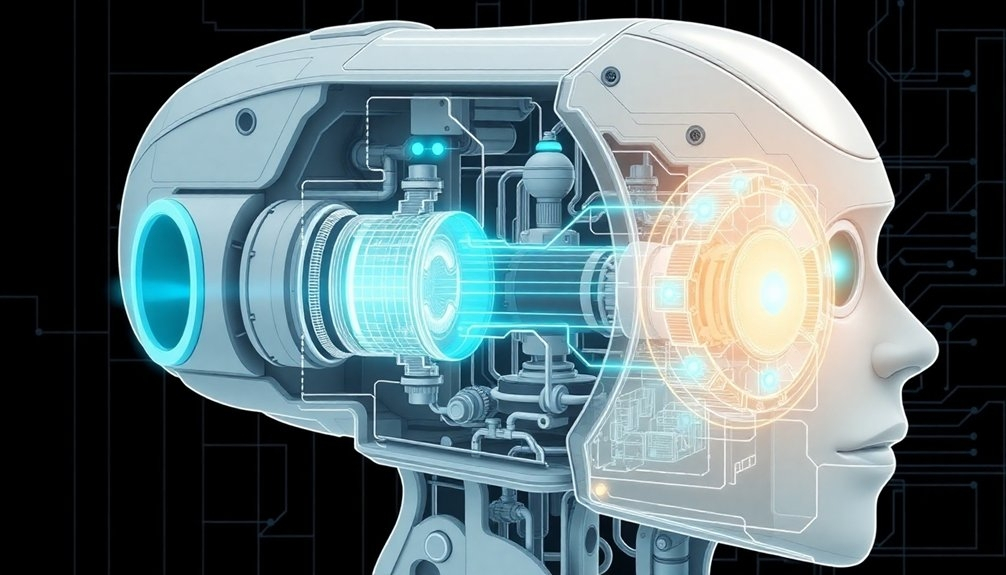
The Autonomous Future: A Symphony of Innovation
The convergence of high-performance blockchains like Solana, the rise of sophisticated AI agents (ROBO MIRA), the critical importance of decentralized staking (RPL), and the ubiquitous utility of GPS creates a truly compelling vision. This isn't just about individual technologies; it's about their synergistic interaction.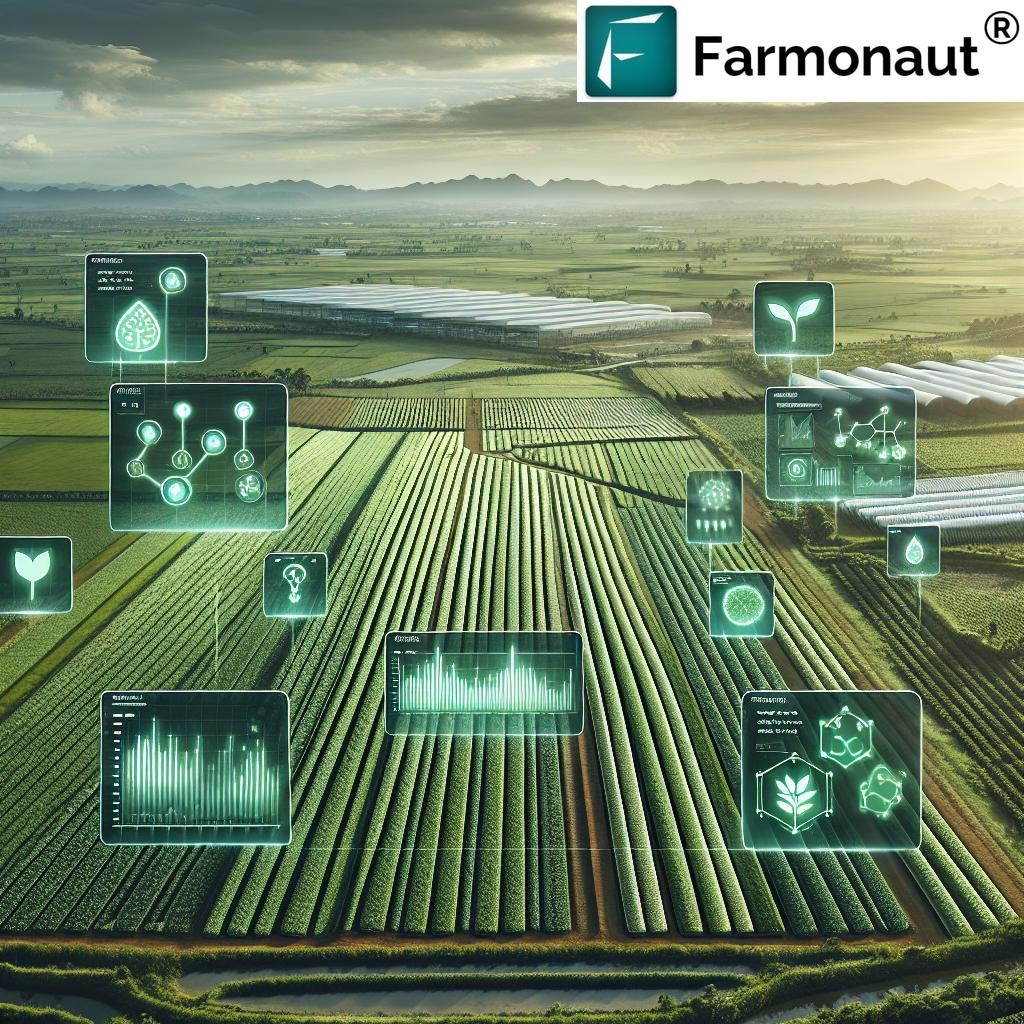
A world where ROBO MIRA agents thrive on Solana, securely interacting across chains thanks to protocols like RPL, and anchoring their operations in the physical world via GPS data, is a world of immense innovation. It's a future where autonomy is not just intelligent but also transparent, verifiable, and truly decentralized. The market "pumps" in SOL, RPL, and related DePIN tokens would not be mere speculation, but a direct reflection of the foundational and operational value these technologies provide to an economy reshaped by autonomous intelligence. This is the next frontier, and it's exhilarating to imagine.#MIRA 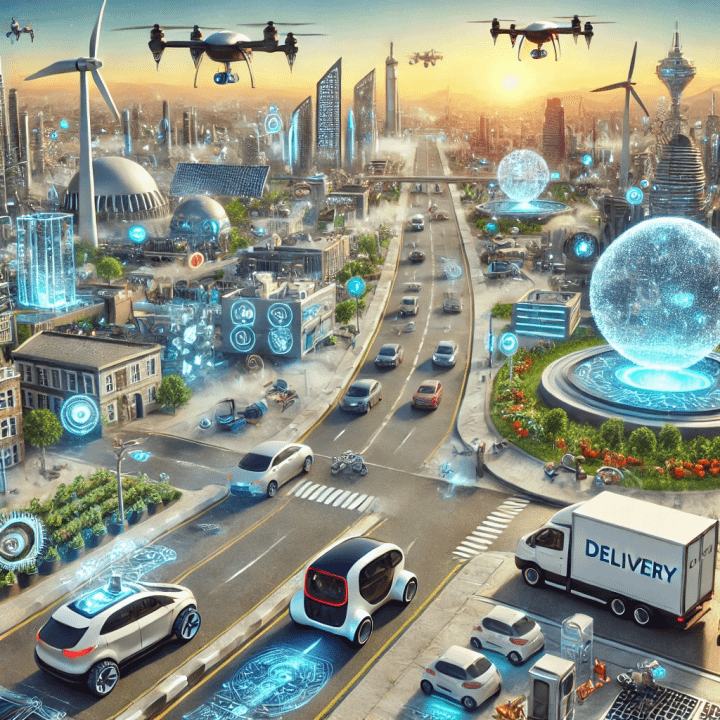
#ROBO #GPS #solana #RPL $ROBO $MIRA $SOL @Fabric Foundation @Mira - Trust Layer of AI
