
Geopolitical tensions are rising, yet precious metals are not reacting the way many expected. Instead of a sustained rally, both gold and silver saw sharp reversals — wiping out nearly $1.2 trillion in market value within an hour.
So what is the market really signaling?
If the risk of a full-scale conflict between the U.S. and Iran were the dominant narrative, we would likely see a prolonged and aggressive bid in safe-haven assets. Instead, gold briefly spiked above $5,380 following the airstrikes but quickly lost momentum, while silver even turned lower.
This price action suggests something important:
The market is distinguishing between short-term panic and long-term structural disruption.
Historically, as reported by Reuters, gold often jumps at the open following military escalations. However, if global oil flows remain largely uninterrupted, the rally tends to fade.
Across related markets:
Brent crude oil climbed toward $82 per barrel, with projections of $100 if tensions persist.
European equities declined, particularly in banking, travel, and consumer sectors.
The Core Takeaway
The initial spike reflects fear.
The pullback reflects expectations of a contained or short-lived conflict.
If this assumption proves wrong, markets could face a powerful repricing wave:
Gold and oil accelerate higher
Inflation pressures intensify
Risk assets sell off aggressively
At this moment, the market stands at a crossroads:
1. The event has been overestimated and largely priced in.
2. The risk is being underestimated — and the true repricing hasn’t even begun.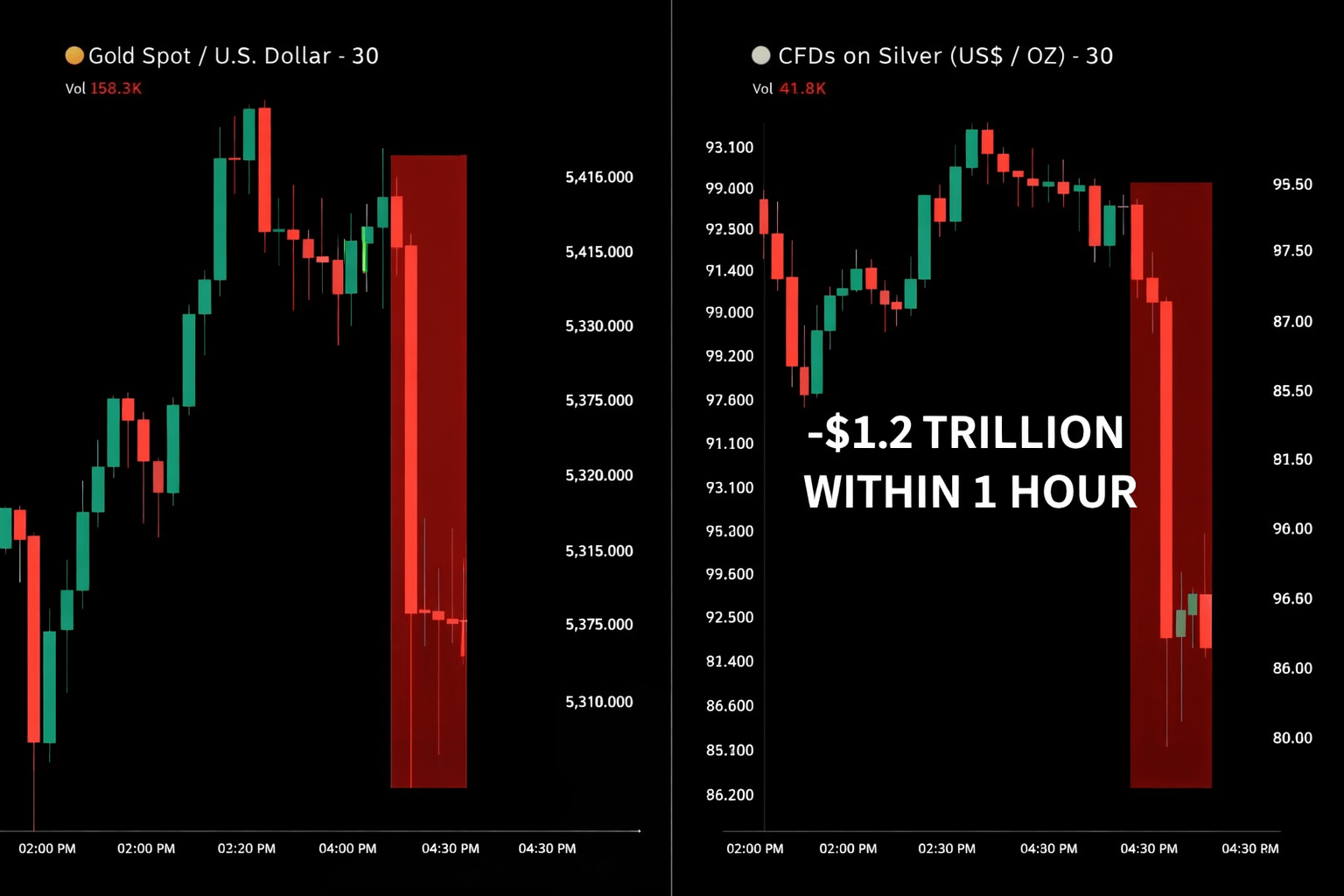
Smart money is watching the second move, not the first reaction.